

Hey there! As a supplier of chemical packaging bags, I often get asked whether our products are resistant to oxidation. It's a crucial question, especially when you're dealing with chemicals that can react with oxygen in the air. In this blog post, I'll break down the ins and outs of oxidation resistance in chemical packaging bags and how our products stack up.
First off, let's talk about what oxidation is. Oxidation is a chemical reaction that occurs when a substance reacts with oxygen. This can lead to a whole bunch of issues, like corrosion, discoloration, and a loss of product quality. When it comes to chemicals, oxidation can change their properties, making them less effective or even dangerous. That's why having packaging that can resist oxidation is super important.
Now, not all chemical packaging bags are created equal when it comes to oxidation resistance. The materials used to make the bags play a huge role. Some of the common materials we use in our chemical packaging bags include polyethylene (PE), polypropylene (PP), and polyvinyl chloride (PVC). Each of these materials has its own level of oxidation resistance.
PE is a popular choice for chemical packaging bags because it's relatively inexpensive and has good chemical resistance. It forms a barrier that can slow down the oxidation process. However, over time, especially when exposed to high temperatures or certain chemicals, PE can start to break down and lose its oxidation resistance. That's why we use high - density PE in many of our PE Heavy Packing Bags. The higher density gives it better durability and a longer lifespan when it comes to fighting off oxidation.
PP is another material with decent oxidation resistance. It's more rigid than PE and can withstand higher temperatures. This makes it suitable for packaging chemicals that need to be stored in warmer environments. PP has a stable molecular structure that helps it resist the effects of oxygen. We use PP in some of our heavy - duty chemical packaging bags, especially for products that require long - term storage.
PVC is a bit different. It has excellent chemical resistance and can be formulated to have good oxidation resistance as well. Our PVC Pipe Packaging Bag is a great example. PVC can be made into a tough, flexible bag that can protect chemicals from oxidation, moisture, and other environmental factors. However, PVC can release harmful chemicals when burned, so proper disposal is important.
But it's not just about the material. The design of the packaging also matters. We use multi - layer construction in many of our chemical packaging bags. By combining different materials in layers, we can create a more effective barrier against oxidation. For example, a bag might have an outer layer of a strong, abrasion - resistant material and an inner layer that's specifically designed to resist oxidation. This way, even if the outer layer gets damaged, the inner layer can still protect the chemicals inside.
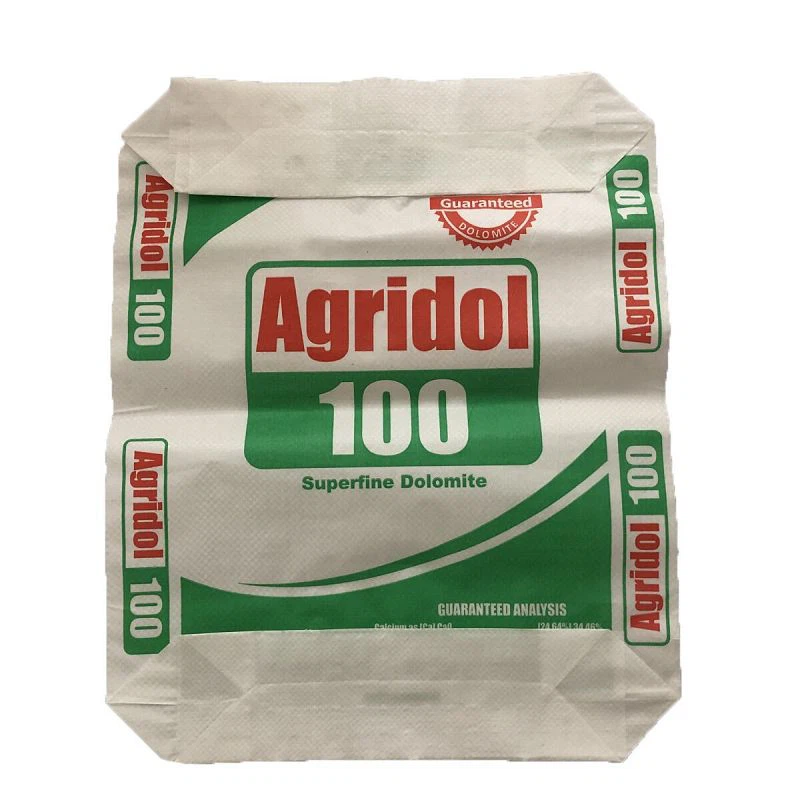
We also add antioxidants to some of our chemical packaging bags. Antioxidants are substances that can prevent or slow down the oxidation process. They work by reacting with the oxygen before it can react with the chemicals inside the bag. This extra protection can significantly extend the shelf life of the packaged chemicals.
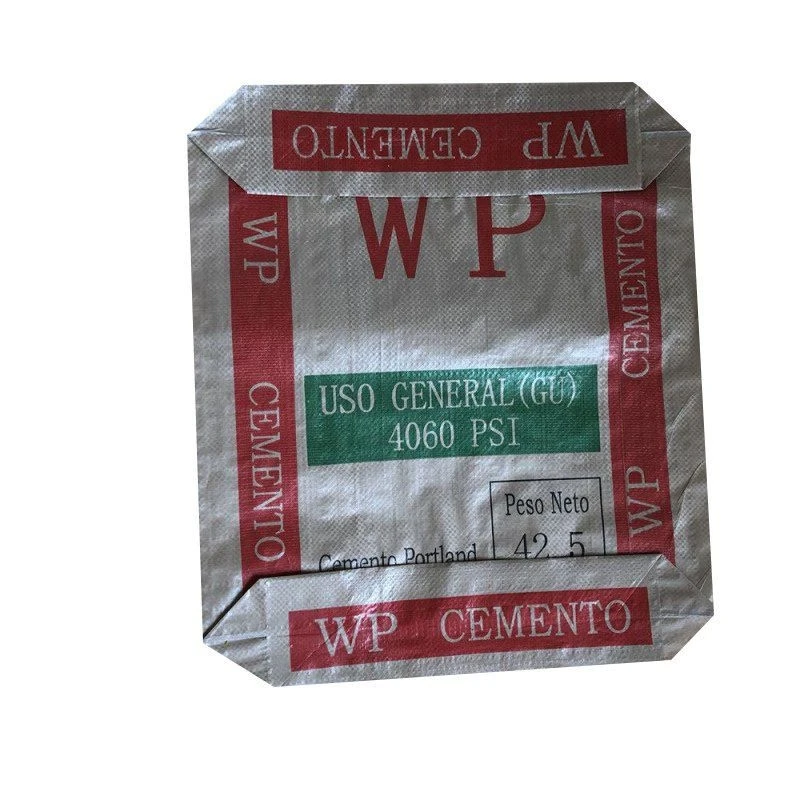
Let's take a look at some real - world examples. If you're packaging cement, you need a bag that can protect it from moisture and oxidation. Our Cement Packaging Bags are designed to do just that. Cement can react with moisture and oxygen in the air, which can cause it to harden prematurely. Our bags are made from materials that create a tight seal and have good oxidation resistance, ensuring that the cement stays in good condition until it's ready to be used.
Another example is when you're packaging PVC pipes. The pipes need to be protected from scratches, moisture, and oxidation. Our PVC Pipe Packaging Bags are tough enough to handle the rough handling during transportation and storage, and they provide a reliable barrier against oxidation, which can cause the pipes to degrade over time.
So, are our chemical packaging bags resistant to oxidation? The answer is yes, but it depends on a few factors. The material, design, and any added antioxidants all play a role in determining the level of oxidation resistance. We've put a lot of time and effort into developing packaging solutions that can effectively protect chemicals from oxidation, ensuring that our customers get high - quality products that last.
If you're in the market for chemical packaging bags and are worried about oxidation, don't hesitate to reach out. We're here to help you find the right packaging solution for your specific needs. Whether you're packaging small quantities of a sensitive chemical or large volumes of a common industrial product, we have the expertise and products to meet your requirements.
Contact us to discuss your packaging needs. We can provide samples, answer your questions, and give you a quote. Let's work together to ensure that your chemicals are well - protected and that you get the best value for your money.
References
- "Polymer Science and Technology" by Gordon Pritchard
- "Packaging Technology and Engineering" by Robert E. Robertson