

Hey there! As a supplier of food packaging bags, I often get asked the question: "Are food packaging bags waterproof?" Well, let's dive right into this topic and find out.
First off, it's important to understand that not all food packaging bags are created equal when it comes to waterproofing. There are different types of materials used in making these bags, and each has its own level of water resistance.

Types of Food Packaging Bags and Their Waterproofing Abilities
Plastic Bags
Plastic is one of the most common materials for food packaging bags. Most plastic bags have a certain degree of waterproofing. For example, polyethylene (PE) plastic bags are widely used because they are relatively inexpensive and can provide a good barrier against water. They are often used for packaging dry foods like snacks, grains, and cereals.
The low - density polyethylene (LDPE) bags are flexible and have a decent waterproofing ability. They can prevent moisture from getting in and keep the food inside dry. However, they may not be completely waterproof under extreme conditions. For instance, if you submerge an LDPE bag in water for a long time, some water might seep through the tiny pores in the plastic.
High - density polyethylene (HDPE) bags, on the other hand, are more rigid and have better waterproofing properties. They are often used for heavier food items and can withstand more exposure to moisture. You can find HDPE bags used for Grain Packaging Bags. These bags are great for protecting grains from humidity and water damage during storage and transportation.
Aluminum Foil Bags
Aluminum foil is another material used in food packaging. Foil bags are highly waterproof and also provide excellent protection against light, oxygen, and odors. They are commonly used for packaging coffee, tea, and other sensitive food products.
The aluminum layer in these bags acts as a barrier that prevents water vapor from passing through. This makes them ideal for keeping food fresh and dry. However, they can be a bit more expensive than plastic bags, so they are usually used for higher - end or more perishable food items.
Paper Bags
Paper bags are a popular choice for food packaging, especially for items like bread, pastries, and take - out food. While paper is not naturally waterproof, many paper bags are treated to make them water - resistant.
Some paper bags have a wax coating on the inside, which helps to repel water. Others are made from laminated paper, where a thin layer of plastic or foil is added to the paper. These treated paper bags can resist light moisture, but they are not suitable for long - term exposure to water. If you get a wax - coated paper bag wet, the wax may start to melt or wear off, reducing its water - resistant properties.
Spout Pouch Bags
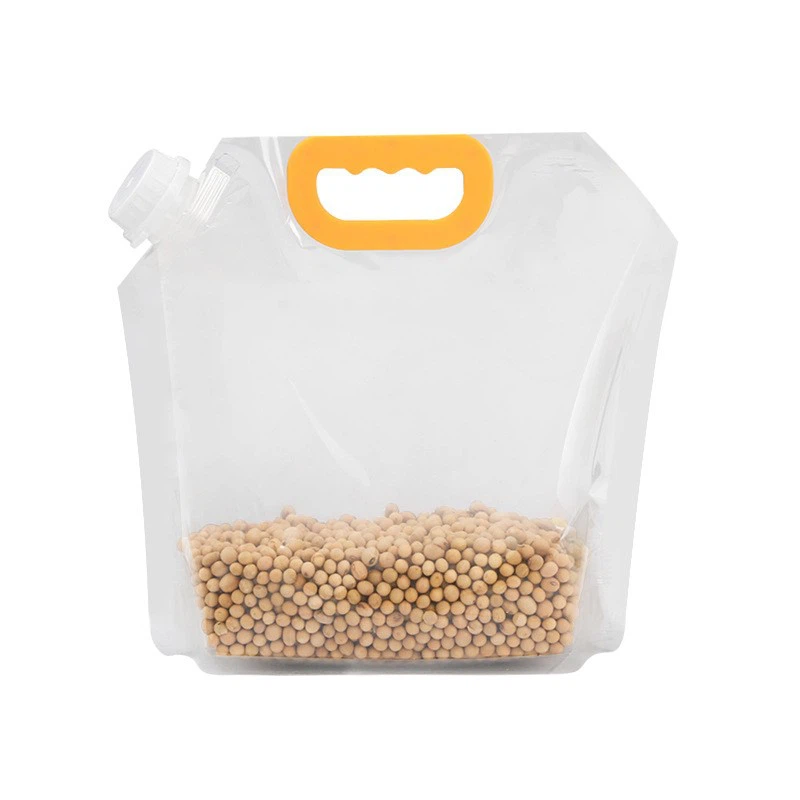
Spout Pouch Bag is a type of flexible packaging that has gained popularity in recent years. These bags are usually made from a combination of plastic and foil layers. They are designed to be convenient for consumers to pour out the contents, and they also offer good waterproofing.
The multiple layers in spout pouch bags create a strong barrier against water, oxygen, and other elements. They are commonly used for packaging liquids, such as juices, sauces, and baby food. The spout also helps to prevent spills and keeps the contents fresh.
Factors Affecting Waterproofing
Apart from the material, there are other factors that can affect the waterproofing ability of food packaging bags.
Sealing
A proper seal is crucial for maintaining the waterproofing of a bag. If the seal is not tight, water can easily enter the bag. Different sealing methods are used depending on the type of bag. For example, heat sealing is commonly used for plastic bags. When the plastic is heated, it melts and fuses together, creating a strong seal.
Ultrasonic sealing is another method that uses high - frequency sound waves to bond the materials together. This method is often used for more delicate or complex packaging designs. A well - sealed bag can significantly enhance its waterproofing performance.
Thickness
The thickness of the packaging material also plays a role in waterproofing. Thicker bags generally have better water resistance than thinner ones. For example, a thick plastic bag will be less likely to allow water to pass through compared to a thin one. However, thicker bags may also be more expensive and less flexible.
Environmental Conditions
The environment in which the bags are used can also affect their waterproofing. For example, if the bags are exposed to high humidity or extreme temperatures, their waterproofing properties may be reduced. In hot and humid conditions, the plastic in a bag may expand, creating tiny gaps that allow water to seep in.
Applications of Waterproof Food Packaging Bags
Food Storage
Waterproof food packaging bags are essential for storing food at home or in commercial settings. They can keep food fresh and prevent it from getting moldy or spoiled due to moisture. For example, 25 Kg Rice Packaging Bags are designed to be waterproof to protect the rice from humidity during long - term storage.
Food Transportation
During transportation, food is often exposed to various environmental conditions, including rain and humidity. Waterproof packaging bags can protect the food from damage during transit. Whether it's a truck carrying crates of snacks or a ship transporting bulk grains, waterproof bags ensure that the food arrives at its destination in good condition.
Retail Display
In retail stores, waterproof packaging bags can enhance the appearance of the products. They keep the food looking fresh and appealing to customers. For example, spout pouch bags filled with colorful juices look great on the shelves and also protect the product from moisture and light.
Conclusion
So, to answer the question "Are food packaging bags waterproof?", it depends on the type of bag, the materials used, and the specific conditions. While many food packaging bags have some level of water resistance, not all of them are completely waterproof.
As a supplier of food packaging bags, we offer a wide range of options to meet different waterproofing needs. Whether you're looking for a simple plastic bag for dry snacks or a high - end aluminum foil bag for sensitive products, we've got you covered.
If you're in the market for food packaging bags and want to discuss your specific requirements, feel free to reach out. We're here to help you find the best packaging solution for your food products.
References
- Packaging Technology Handbook, Third Edition by Wilmer A. Jenkins and James P. Harrington
- Food Packaging: Principles and Practice by Yam K.L., Takhistov P.T., Miltz J.