

As a supplier of PE valve bags, I've had numerous discussions with clients about the various aspects of these bags, and one question that frequently comes up is: Are PE valve bags easy to transport? In this blog, I'll delve into this topic, exploring the characteristics of PE valve bags that impact their transportability, and comparing them with other packaging solutions.
Understanding PE Valve Bags
PE valve bags are made from polyethylene (PE), a versatile plastic known for its strength, durability, and resistance to moisture. These bags feature a small valve on one side, which allows for easy filling and efficient sealing. Once filled, the valve self - seals, preventing the contents from leaking out. This design makes them ideal for packaging a wide range of products, including powders, granules, and small solid items.
Advantages of PE Valve Bags in Transportation
Lightweight
One of the most significant advantages of PE valve bags in transportation is their lightweight nature. Compared to traditional packaging materials such as paper or jute bags, PE valve bags weigh significantly less. This reduction in weight translates into lower transportation costs, as carriers typically charge based on the weight of the shipment. For example, if you're transporting a large quantity of sand using Sand Packaging Bags made of PE valve bags, the reduced weight of the bags themselves means you can transport more product per trip, increasing efficiency and reducing overall shipping expenses.
Durability
PE valve bags are highly durable. They can withstand the rigors of transportation, including rough handling, stacking, and exposure to various environmental conditions. Unlike paper bags, which can tear easily when wet or subjected to abrasion, PE valve bags are resistant to moisture, punctures, and tears. This durability ensures that the contents of the bags remain protected during transit, reducing the risk of product loss or damage. For instance, when transporting PVC pipes using PVC Pipe Packaging Bag in the form of PE valve bags, the bags can protect the pipes from scratches and minor impacts during transportation.
Space - Efficiency
PE valve bags can be easily stacked and arranged in transportation vehicles. Their rectangular shape and flat surfaces allow for efficient use of space, enabling more bags to be loaded into a given volume. This space - efficiency is particularly beneficial for long - distance transportation and container shipping, where maximizing the use of available space can significantly reduce shipping costs. Additionally, the valve design of these bags ensures that they maintain their shape during stacking, preventing the contents from shifting and causing instability.
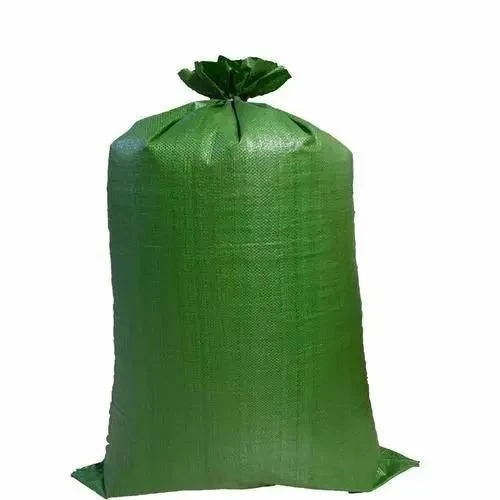

Resistance to Environmental Factors
PE valve bags offer excellent resistance to environmental factors such as humidity, sunlight, and temperature variations. This makes them suitable for transportation in different climates and seasons. For example, in humid environments, the moisture - resistant properties of PE valve bags prevent the contents from absorbing water, which could otherwise lead to clumping or spoilage. In hot and sunny conditions, the bags can protect the contents from UV radiation, ensuring product quality during transit.
Challenges in Transporting PE Valve Bags
Static Electricity
One potential challenge when transporting PE valve bags is the generation of static electricity. As the bags rub against each other or other surfaces during transportation, static charges can build up. This static electricity can attract dust and other particles, which may contaminate the contents of the bags. In some cases, static electricity can also pose a safety hazard, especially when transporting flammable or explosive materials. To mitigate this issue, anti - static additives can be incorporated into the PE material during the manufacturing process.
Recycling and Disposal Considerations
While PE valve bags are durable and reusable in some cases, their disposal can be a concern, especially in regions with strict environmental regulations. As a supplier, we are increasingly focusing on developing more sustainable PE valve bags, such as those made from recycled materials or biodegradable polymers. However, until these solutions become more widespread, proper disposal and recycling of used PE valve bags remain a challenge during transportation and after the product has been delivered.
Comparison with Other Packaging Options
Paper Bags
Paper bags are a common alternative to PE valve bags. While paper bags are biodegradable and recyclable, they lack the durability and moisture resistance of PE valve bags. In transportation, paper bags are more likely to tear, get wet, and allow the contents to spill. Moreover, paper bags are generally heavier than PE valve bags, which can increase transportation costs.
Jute Bags
Jute bags are another traditional packaging option. They are made from natural fibers and are relatively eco - friendly. However, jute bags are not as strong as PE valve bags and are more prone to damage during transportation. They also have limited resistance to moisture and pests, which can affect the quality of the contents during transit.
PE Heavy Packing Bags
PE heavy packing bags are similar to PE valve bags in terms of material but may have different designs and applications. While both are made of polyethylene, PE heavy packing bags are often used for heavier or bulkier items. In comparison, PE valve bags are more suitable for products that require a controlled filling process and efficient sealing. However, both types of bags offer good transportability due to their lightweight and durable nature.
Conclusion
In conclusion, PE valve bags are generally easy to transport. Their lightweight, durable, space - efficient, and environmentally resistant properties make them a preferred choice for many industries. While there are some challenges, such as static electricity and disposal issues, these can be effectively managed through proper design and handling.
If you're in the market for high - quality PE valve bags for your transportation needs, I encourage you to reach out to us. We have a wide range of PE valve bags suitable for various products and transportation requirements. Whether you need Sand Packaging Bags, PVC Pipe Packaging Bag, or PE Heavy Packing Bags, we can provide you with the best solutions. Contact us to discuss your specific needs and start a partnership that will enhance your transportation efficiency and product protection.
References
- "Plastic Packaging Materials: Properties and Applications" by John M. Crawford
- "Transportation Packaging Design" by Charles J. Falcigno
- Industry reports on packaging trends and transportation efficiency