

As a supplier of chemical packaging bags, I often get asked about the regulations surrounding these essential products. Chemical packaging bags play a crucial role in ensuring the safe storage, transportation, and handling of various chemicals. In this blog post, I'll delve into the regulations that govern chemical packaging bags and why they are so important.
The Importance of Regulations
The chemical industry deals with substances that can be hazardous to human health and the environment. Chemical packaging bags are the first line of defense in preventing leaks, spills, and contamination. Regulations are in place to ensure that these bags meet certain standards, which in turn protect consumers, workers, and the environment.
Protecting Human Health
Many chemicals are toxic, corrosive, or flammable. If a chemical packaging bag fails to contain these substances properly, it can lead to serious health risks. For example, exposure to toxic chemicals can cause skin irritation, respiratory problems, and in extreme cases, even cancer. Regulations require that chemical packaging bags are made from materials that are resistant to the chemicals they will hold, minimizing the risk of exposure.
Environmental Protection
Chemical spills can have a devastating impact on the environment. They can contaminate soil, water sources, and harm wildlife. Regulations for chemical packaging bags aim to prevent spills by ensuring that the bags are sturdy, leak-proof, and can withstand various environmental conditions. Additionally, many regulations encourage the use of recyclable or biodegradable materials to reduce the environmental footprint of chemical packaging.
Types of Regulations
There are several types of regulations that apply to chemical packaging bags, both at the national and international levels.
International Regulations
- UN Recommendations on the Transport of Dangerous Goods: These recommendations provide a global framework for the safe transport of dangerous chemicals. They specify the requirements for packaging, labeling, and documentation. For chemical packaging bags, the UN regulations define the performance standards for different types of chemicals, such as the maximum allowable pressure and the thickness of the bag material.
- International Maritime Dangerous Goods (IMDG) Code: This code is specifically designed for the transport of dangerous goods by sea. It builds on the UN recommendations and includes additional requirements for packaging suitable for marine environments. Chemical packaging bags used for sea transport must comply with the IMDG Code to ensure the safety of the crew, passengers, and the marine ecosystem.
National Regulations
Each country has its own set of regulations regarding chemical packaging. In the United States, for example, the Department of Transportation (DOT) regulates the packaging of hazardous materials. The DOT's regulations are similar to the UN recommendations but may include additional requirements based on the country's specific needs. In the European Union, the REACH (Registration, Evaluation, Authorization and Restriction of Chemicals) regulation sets safety standards for all chemicals and their packaging.
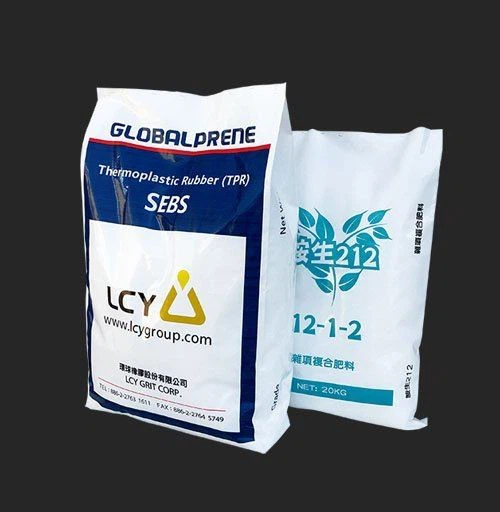

Industry Standards
In addition to government regulations, there are also industry standards that chemical packaging bag suppliers follow. These standards are developed by industry associations and are often more stringent than the minimum regulatory requirements.
Quality Standards
Industry standards for chemical packaging bags include requirements for the quality of the materials used, such as the strength, durability, and chemical resistance of the plastic or other materials. For example, a high-quality chemical packaging bag should be able to withstand a certain amount of pressure without bursting or leaking. Suppliers often conduct rigorous testing to ensure that their bags meet these quality standards.
Design Standards
The design of chemical packaging bags is also regulated by industry standards. The bags should have appropriate closures, such as zippers or heat seals, to prevent leaks. They should also be easy to handle and store, with clear labeling to indicate the contents and any safety warnings.
Our Company's Compliance
As a supplier of chemical packaging bags, we take regulatory compliance very seriously. We ensure that all our products meet the relevant national and international regulations and industry standards. Our team of experts stays up-to-date with the latest regulatory changes to ensure that our packaging bags are always in compliance.
We offer a wide range of chemical packaging bags, including Cement Packaging Bags, PVC Pipe Packaging Bag, and PE Heavy Packing Bags. Each of these products is designed and manufactured to provide the highest level of safety and performance.
Contact Us for Purchasing and Negotiation
If you are in the market for high-quality chemical packaging bags that comply with all relevant regulations, look no further. Our team is ready to assist you in finding the right packaging solutions for your specific needs. Whether you need a small quantity for a trial or a large order for regular supply, we can accommodate you.
We understand that every customer has unique requirements, and we are committed to providing customized solutions. Our sales team is experienced and knowledgeable, and they will work closely with you to understand your needs and offer the best possible products and pricing.
So, if you are interested in our chemical packaging bags, don't hesitate to contact us for purchasing and negotiation. We look forward to serving you and helping you ensure the safe handling and transport of your chemicals.
References
- UN Recommendations on the Transport of Dangerous Goods
- International Maritime Dangerous Goods (IMDG) Code
- US Department of Transportation (DOT) regulations
- EU REACH (Registration, Evaluation, Authorization and Restriction of Chemicals) regulation