

Can chemical packaging bags be used for gaseous chemicals? This is a question that often arises in the chemical industry. As a supplier of chemical packaging bags, I'd like to delve into this topic and provide some insights.
Understanding the Nature of Gaseous Chemicals
Gaseous chemicals have unique properties that distinguish them from liquid or solid chemicals. They are highly mobile, have low density, and can expand to fill the available space. Additionally, many gaseous chemicals are reactive, toxic, or flammable, which poses significant challenges for packaging.
The main concerns when packaging gaseous chemicals include preventing leakage, maintaining chemical stability, and ensuring safety during storage and transportation. Any compromise in the packaging can lead to environmental pollution, health hazards, and even explosions.
Types of Chemical Packaging Bags
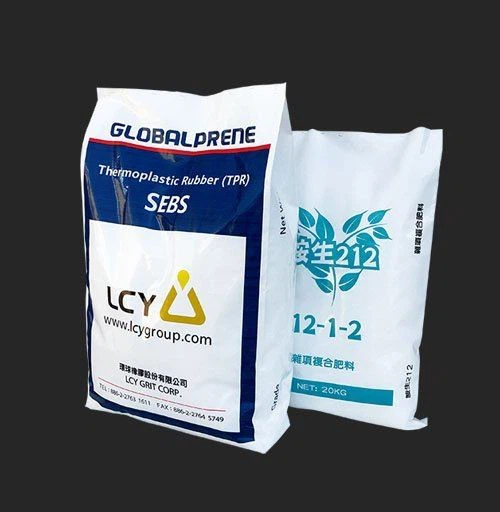
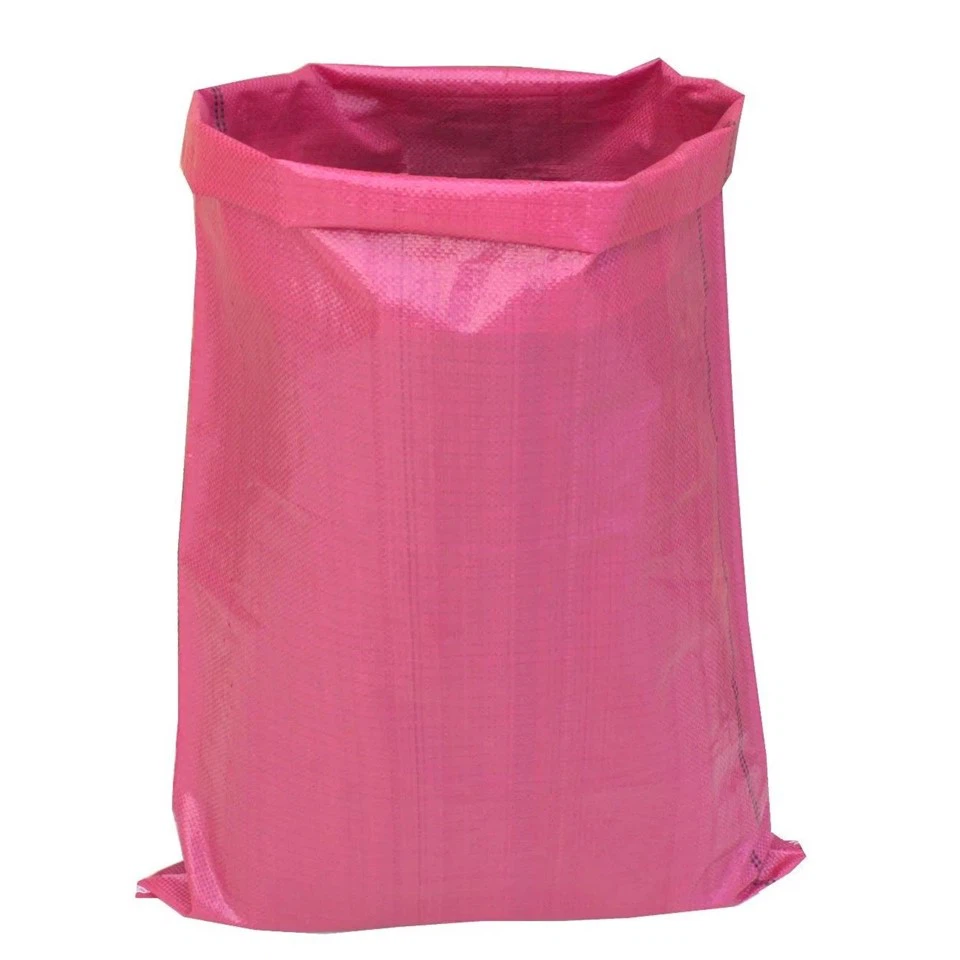
Before discussing whether chemical packaging bags can be used for gaseous chemicals, let's first look at the common types of chemical packaging bags we offer.
- Sand Packaging Bags: These bags are designed to handle granular or powdery substances like sand. They are typically made of strong, durable materials that can withstand the weight and abrasion of the contents. Sand Packaging Bags are often used in construction and industrial applications.
- PE Heavy Packing Bags: Polyethylene (PE) heavy packing bags are known for their strength and flexibility. They are resistant to moisture, chemicals, and punctures, making them suitable for a wide range of chemical products. PE Heavy Packing Bags can be used for both solid and liquid chemicals.
- PVC Pipe Packaging Bag: PVC pipe packaging bags are specifically designed to protect PVC pipes during storage and transportation. They are made of PVC material, which provides excellent protection against scratches, dust, and moisture. PVC Pipe Packaging Bag ensures the integrity of the pipes.
Suitability of Chemical Packaging Bags for Gaseous Chemicals
In general, standard chemical packaging bags are not suitable for gaseous chemicals. The reasons are as follows:
Leakage Risk
Gaseous chemicals can easily escape through small pores or gaps in the packaging material. Most chemical packaging bags are not designed to provide an airtight seal, which is essential for containing gases. Even a minor leak can lead to the release of hazardous gases into the environment, posing a serious threat to human health and safety.
Chemical Compatibility
Gaseous chemicals can react with the packaging material, leading to degradation or contamination. Some gases may dissolve in the plastic, causing it to swell or become brittle. Others may react chemically with the polymer chains, weakening the structure of the bag. This can compromise the integrity of the packaging and increase the risk of leakage.
Pressure Resistance
Gaseous chemicals are often stored under pressure. Standard chemical packaging bags are not designed to withstand high pressures, which can cause the bags to burst or rupture. This can result in a sudden release of large amounts of gas, leading to explosions or other dangerous situations.
Specialized Packaging for Gaseous Chemicals
While standard chemical packaging bags are not suitable for gaseous chemicals, there are specialized packaging solutions available. These include:
Gas Cylinders
Gas cylinders are the most common type of packaging for gaseous chemicals. They are made of high-strength materials, such as steel or aluminum, and are designed to withstand high pressures. Gas cylinders are equipped with valves and regulators to control the flow of gas and ensure safe handling.
Gas Bags
Gas bags are flexible containers made of specialized materials that are designed to hold gases. They are often used for collecting and storing small amounts of gas samples. Gas bags are typically made of materials that are resistant to chemical attack and have low permeability to gases.
Pressure Vessels
Pressure vessels are large containers that are used to store gaseous chemicals at high pressures. They are designed and constructed in accordance with strict safety standards to ensure the integrity of the packaging. Pressure vessels are commonly used in industrial applications, such as chemical manufacturing and power generation.
Considerations for Packaging Gaseous Chemicals
When choosing packaging for gaseous chemicals, the following factors should be considered:
Chemical Compatibility
The packaging material must be compatible with the gaseous chemical to prevent chemical reactions and degradation. This requires a thorough understanding of the chemical properties of the gas and the packaging material.
Pressure Rating
The packaging must be able to withstand the pressure of the gas without bursting or leaking. The pressure rating of the packaging should be specified by the manufacturer and should be appropriate for the intended application.
Safety Features
The packaging should be equipped with safety features, such as pressure relief valves and rupture discs, to prevent overpressure and ensure safe handling. These features are designed to release excess pressure in a controlled manner, reducing the risk of explosions or other dangerous situations.
Regulatory Compliance
The packaging must comply with relevant regulations and standards, such as those set by the Occupational Safety and Health Administration (OSHA) and the Department of Transportation (DOT). These regulations ensure the safety of the packaging and the protection of human health and the environment.
Conclusion
In conclusion, standard chemical packaging bags are not suitable for gaseous chemicals due to the risk of leakage, chemical incompatibility, and pressure resistance. Specialized packaging solutions, such as gas cylinders, gas bags, and pressure vessels, are required to ensure the safe storage and transportation of gaseous chemicals.
As a supplier of chemical packaging bags, we understand the importance of providing safe and reliable packaging solutions. While we do not offer packaging for gaseous chemicals, we can provide advice and guidance on the selection of appropriate packaging materials for other types of chemicals. If you have any questions or need assistance with chemical packaging, please feel free to contact us for a consultation. We look forward to working with you to meet your packaging needs.
References
- ASTM International. (Year). Standard Specification for [Relevant Packaging Standard]. ASTM [Standard Number].
- OSHA. (Year). Hazard Communication Standard. 29 CFR 1910.1200.
- DOT. (Year). Hazardous Materials Regulations. 49 CFR Parts 171 - 180.