

As a supplier of China fish feed bags, I often receive inquiries from customers about the proper storage of these bags. One common question is whether China fish feed bags can be stored outdoors. In this blog post, I will delve into this topic, considering various factors that affect outdoor storage and providing guidance based on scientific knowledge and industry experience.
Factors to Consider for Outdoor Storage
Weather Conditions
Weather is one of the most significant factors when it comes to outdoor storage of fish feed bags. Different weather elements can have diverse impacts on the quality of the bags and the feed inside.
-
Rain and Moisture: Exposure to rain can lead to water penetration into the feed bags. Most fish feed is sensitive to moisture, and once it gets wet, it can start to clump, develop mold, and lose its nutritional value. The packaging material of fish feed bags is usually designed to be somewhat resistant to moisture, but continuous exposure to heavy rain can compromise its integrity. For example, if a bag is made of a thin plastic film, prolonged contact with water may cause it to tear or develop small holes, allowing moisture to seep in.
-
Sunlight: Ultraviolet (UV) rays from the sun can degrade the plastic materials commonly used in fish feed bags. Over time, UV exposure can make the bags brittle and prone to cracking. This not only affects the physical appearance of the bags but also reduces their ability to protect the feed inside. For instance, a bag that has been exposed to intense sunlight for months may develop weak spots, which can lead to leaks and contamination of the feed.
-
Temperature Fluctuations: Extreme temperatures, both hot and cold, can also impact the quality of fish feed and its packaging. In hot weather, the feed may expand and put pressure on the bags, potentially causing them to burst. On the other hand, in cold temperatures, the plastic may become rigid and more likely to break. Moreover, temperature fluctuations can create condensation inside the bags, which increases the risk of mold growth.
Location and Surroundings
The location where the fish feed bags are stored outdoors also plays a crucial role.
-
Proximity to Water Sources: If the storage area is near a river, lake, or other water sources, there is a higher risk of flooding. Even a small flood can submerge the feed bags, causing significant damage to the feed and rendering the bags useless.
-
Presence of Pests: Outdoor storage exposes the bags to pests such as rodents and insects. Rodents can chew through the bags to access the feed, while insects can lay eggs inside the bags or contaminate the feed with their waste. This not only leads to feed loss but also poses a health risk to the fish that consume the contaminated feed.
Advantages and Disadvantages of Outdoor Storage
Advantages
-
Cost - Effective: Outdoor storage may be more cost - effective compared to indoor storage, especially for large - scale suppliers. There is no need to invest in expensive warehouse facilities, and the space requirements can be more easily met.
-
Easy Access: It allows for easy access to the feed bags, which can be beneficial for loading and unloading operations. Workers can quickly retrieve the bags without having to navigate through a warehouse.
Disadvantages
-
Quality Risk: As mentioned earlier, outdoor storage exposes the fish feed bags to various environmental factors that can compromise the quality of the feed and the bags themselves. This can lead to financial losses for both the supplier and the customer.
-
Legal and Regulatory Issues: In some regions, there may be regulations regarding the outdoor storage of animal feed products. Failure to comply with these regulations can result in fines and other legal consequences.
Best Practices for Outdoor Storage of China Fish Feed Bags
Use of Protective Covers
To mitigate the effects of weather conditions, it is advisable to use protective covers such as tarps. A high - quality tarp can shield the feed bags from rain, sunlight, and wind. Make sure the tarp is securely fastened to prevent it from being blown away by strong winds.

Elevated Storage
Storing the fish feed bags on pallets or raised platforms can help prevent water damage in case of flooding or heavy rain. This also allows for better air circulation around the bags, reducing the risk of mold growth.
Regular Inspection
Regularly inspect the feed bags for signs of damage, such as tears, holes, or mold growth. If any damaged bags are found, they should be removed immediately to prevent contamination of the other bags.
Pest Control
Implement pest control measures such as setting up rodent traps and using insect repellents. Keep the storage area clean and free of debris to discourage pests from nesting in the vicinity.
Other Types of Animal Feed Packaging Bags
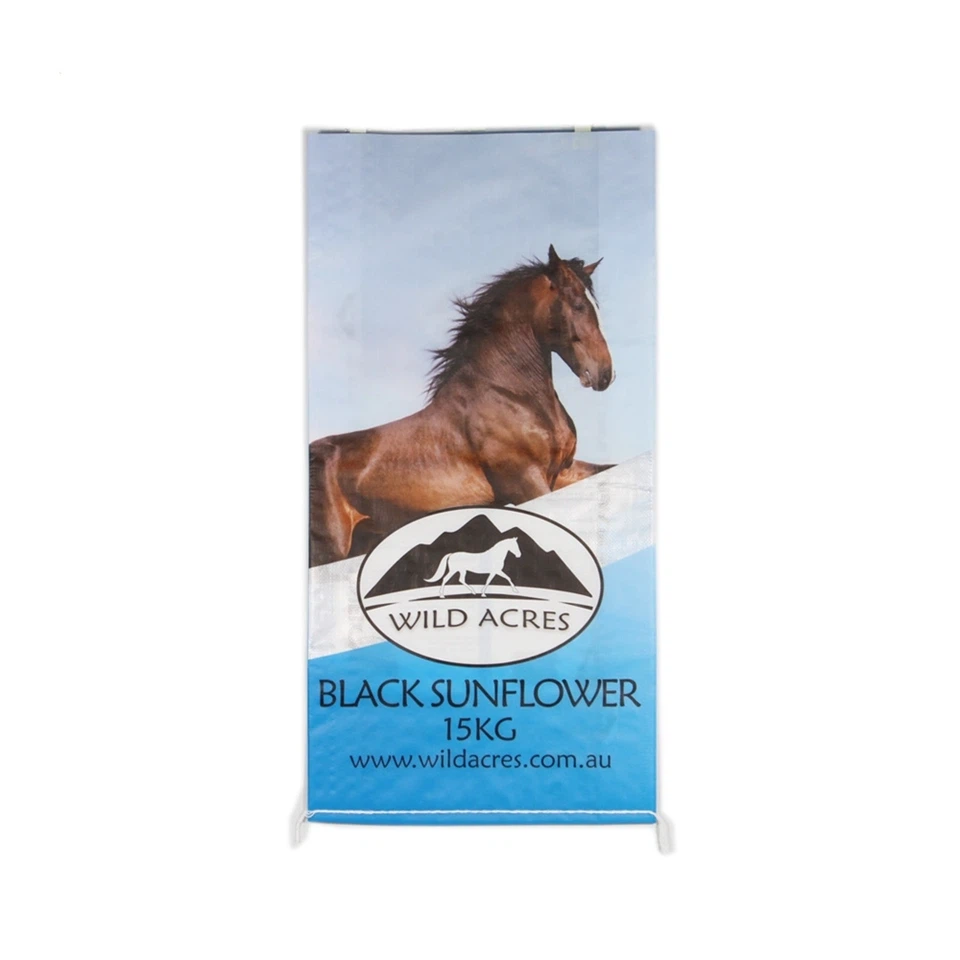
In addition to fish feed bags, we also supply a variety of other animal feed packaging bags, including Dog Food Packaging Bag, Horse Feed Packaging Bag, and Sheep Feed Bags. These bags are designed to meet the specific requirements of different types of animal feed and are also subject to similar storage considerations.
Conclusion
While it is possible to store China fish feed bags outdoors, it comes with its own set of challenges. By carefully considering the weather conditions, location, and implementing best practices for outdoor storage, the risks can be minimized. However, if possible, indoor storage is generally a more reliable option to ensure the long - term quality of the fish feed and its packaging.
If you are interested in purchasing high - quality fish feed bags or other animal feed packaging bags, please feel free to contact us for more information and to discuss your specific requirements. We are committed to providing the best products and services to meet your needs.
References
- "Guidelines for the Storage of Animal Feed Products", National Feed Association.
- "The Impact of Environmental Factors on Plastic Packaging Materials", Journal of Packaging Science and Technology.
- "Pest Management in Animal Feed Storage Facilities", Agricultural Research Service.