

In the dynamic world of fertilizer packaging, a question that has been gaining increasing attention is whether fertilizer packaging bags can be made of natural fibers. As a leading supplier of fertilizer packaging bags, I've witnessed firsthand the evolving demands of the market and the growing interest in sustainable solutions. This blog post aims to explore the viability, benefits, and challenges of using natural fibers for fertilizer packaging.
The Case for Natural Fibers in Fertilizer Packaging
Environmental Sustainability
One of the most compelling reasons to consider natural fibers for fertilizer packaging is their environmental friendliness. Unlike traditional plastic packaging, natural fibers are biodegradable and renewable. They are derived from plant sources such as jute, hemp, or cotton, which can be replenished through sustainable farming practices. This reduces the long - term environmental impact associated with plastic waste, which often ends up in landfills or oceans, taking hundreds of years to decompose.
For instance, jute is a fast - growing fiber crop that requires relatively low amounts of water and pesticides. When used for fertilizer packaging, jute bags can break down naturally in the soil, leaving behind no harmful residues. This aligns with the global push towards a circular economy, where products are designed to have a minimal environmental footprint throughout their lifecycle.
Breathability and Product Preservation
Natural fibers offer excellent breathability, which is a crucial factor in fertilizer packaging. Fertilizers often contain chemicals that can generate heat and moisture during storage. If the packaging does not allow for proper ventilation, it can lead to the formation of condensation inside the bag, which may cause the fertilizer to clump or degrade.
Jute and hemp bags, for example, have porous structures that allow air to circulate freely. This helps in maintaining the quality and integrity of the fertilizer, ensuring that it remains in optimal condition until it reaches the end - user. The breathability also reduces the risk of mold and mildew growth, which can be a significant problem in humid environments.
Aesthetic Appeal and Brand Image
In today's market, consumers are becoming more conscious of the environmental impact of the products they purchase. Using natural fiber packaging can enhance a brand's image as a sustainable and eco - friendly company. Natural fibers have a rustic and organic look that can differentiate a fertilizer product from its competitors on the shelves.
For a fertilizer manufacturer, choosing natural fiber packaging can be a strategic marketing move. It can attract environmentally - conscious consumers and help build a positive brand reputation. Moreover, natural fiber bags can be easily customized with printing and labeling, allowing companies to showcase their brand logo and product information effectively.
Challenges of Using Natural Fibers for Fertilizer Packaging
Moisture Resistance
One of the main challenges of using natural fibers for fertilizer packaging is their relatively low moisture resistance. Fertilizers are often hygroscopic, meaning they can absorb moisture from the surrounding environment. Natural fibers, especially those like jute and cotton, can absorb water easily, which may lead to the degradation of the bag and the fertilizer inside.
To address this issue, various treatments can be applied to the natural fiber bags. For example, a water - resistant coating can be applied to the surface of the bag to prevent moisture from seeping in. However, these coatings need to be carefully selected to ensure that they are non - toxic and do not interfere with the biodegradability of the bag.
Strength and Durability
Another concern is the strength and durability of natural fiber bags compared to traditional plastic bags. Fertilizers are heavy products, and the packaging needs to be able to withstand the weight during handling, transportation, and storage. While natural fibers like jute and hemp are relatively strong, they may not be as durable as plastic in some cases.
To improve the strength of natural fiber bags, they can be reinforced with additional layers or fibers. For example, a woven jute bag can be lined with a thin layer of natural fiber mesh to enhance its load - bearing capacity. However, these reinforcements may increase the cost of the packaging.
Cost
The cost of producing natural fiber bags is generally higher than that of plastic bags. The raw materials for natural fibers, such as jute and hemp, may be more expensive due to factors like limited availability and higher production costs. Additionally, the processes involved in treating and manufacturing natural fiber bags, such as spinning, weaving, and coating, can also add to the overall cost.
For fertilizer manufacturers, the higher cost of natural fiber packaging may be a deterrent. However, as the demand for sustainable packaging increases, economies of scale may come into play, leading to a reduction in costs over time.
Current Solutions and Market Trends
Hybrid Packaging
To overcome the challenges of using natural fibers alone, many companies are exploring hybrid packaging solutions. This involves combining natural fibers with other materials, such as plastics or biodegradable polymers. For example, a natural fiber outer layer can be combined with a plastic inner liner to provide both the environmental benefits of natural fibers and the moisture resistance of plastic.
These hybrid bags can offer the best of both worlds, providing a balance between sustainability and functionality. They are also becoming increasingly popular in the market, as they address some of the concerns associated with using natural fibers for fertilizer packaging.
Technological Advancements
Advancements in technology are also playing a crucial role in making natural fiber packaging more viable for fertilizers. New manufacturing processes are being developed to improve the strength and moisture resistance of natural fiber bags without compromising their biodegradability.
For example, researchers are exploring the use of nanotechnology to develop coatings that can enhance the properties of natural fibers. These coatings can be designed to be self - healing, which means they can repair any damage to the bag's surface, extending its lifespan.
Our Offerings as a Fertilizer Packaging Bags Supplier
As a supplier of fertilizer packaging bags, we understand the importance of providing sustainable and high - quality solutions to our customers. We offer a range of natural fiber bags, including jute and hemp bags, which are suitable for various types of fertilizers.

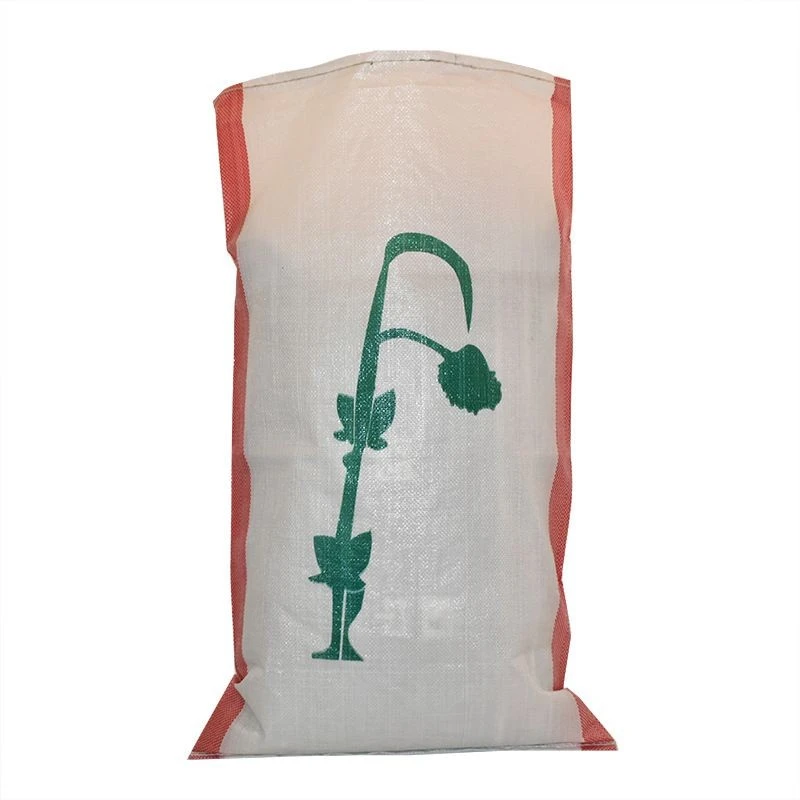
Our natural fiber bags are treated with eco - friendly coatings to improve their moisture resistance and durability. We also offer customization options, allowing our customers to choose the size, design, and printing of the bags according to their specific requirements.
In addition to natural fiber bags, we also provide other types of fertilizer packaging bags, such as Pp Fertilizer Bags PP, 50 kg Fertilizer Bags, and Plastic Fertilizer Bags. Our diverse product range ensures that we can meet the needs of different customers, whether they are looking for sustainable options or traditional packaging solutions.
Conclusion
The use of natural fibers for fertilizer packaging has both advantages and challenges. While the environmental benefits, breathability, and aesthetic appeal make natural fiber bags an attractive option, issues such as moisture resistance, strength, and cost need to be addressed. With the right solutions, such as hybrid packaging and technological advancements, natural fiber bags can become a viable alternative to traditional plastic packaging.
As a supplier, we are committed to helping our customers make informed decisions about their fertilizer packaging needs. Whether you are interested in exploring sustainable natural fiber bags or prefer traditional plastic options, we are here to provide you with high - quality products and excellent customer service. If you are interested in purchasing fertilizer packaging bags, we invite you to contact us for a detailed discussion about your requirements. We look forward to working with you to find the best packaging solution for your fertilizer products.
References
- "Natural Fibers: Types, Properties, and Applications" - A scientific review on the characteristics and uses of natural fibers.
- "Sustainable Packaging Solutions for the Fertilizer Industry" - A report on the latest trends and challenges in sustainable fertilizer packaging.
- "Advancements in Natural Fiber Reinforced Composites" - Research on the technological advancements in improving the properties of natural fiber materials.