

Fertilizers are crucial for modern agriculture, providing essential nutrients to crops and enhancing yields. However, the quality of fertilizers can be significantly affected by moisture. Moisture can cause fertilizers to clump, degrade, and lose their effectiveness. Therefore, proper packaging is essential to protect fertilizers from moisture and ensure their quality during storage and transportation. As a leading supplier of fertilizer packaging bags, we often receive inquiries about whether our packaging bags can effectively prevent moisture from entering. In this blog post, we will explore this question in detail and provide you with a comprehensive understanding of our fertilizer packaging solutions.
The Impact of Moisture on Fertilizers
Before delving into the effectiveness of fertilizer packaging bags in preventing moisture ingress, it is important to understand the detrimental effects of moisture on fertilizers. Fertilizers are typically hygroscopic, meaning they have a tendency to absorb moisture from the surrounding environment. When fertilizers absorb moisture, several issues can arise:
- Clumping: Moisture causes fertilizers to stick together, forming clumps. These clumps can clog spreaders and make it difficult to apply fertilizers evenly, leading to inconsistent nutrient distribution in the field.
- Degradation: Some fertilizers are chemically unstable in the presence of moisture. For example, ammonium nitrate can decompose when exposed to water, releasing nitrogen gas and reducing the fertilizer's nutrient content.
- Microbial Growth: Moisture provides a favorable environment for the growth of bacteria, fungi, and other microorganisms. These microorganisms can break down fertilizers and produce harmful by-products, further reducing the fertilizer's quality and effectiveness.
Factors Affecting Moisture Resistance of Fertilizer Packaging Bags
The ability of fertilizer packaging bags to prevent moisture from entering depends on several factors, including the type of material used, the bag's construction, and the environmental conditions.
Material Selection
The choice of material is one of the most important factors in determining the moisture resistance of fertilizer packaging bags. Different materials have different moisture barrier properties. Some commonly used materials for fertilizer packaging include:
- Plastic Films: Plastic films, such as polyethylene (PE) and polypropylene (PP), are widely used in fertilizer packaging due to their excellent moisture barrier properties. These films can be produced with different thicknesses and densities to provide varying levels of moisture protection. For example, high-density polyethylene (HDPE) has a lower water vapor transmission rate (WVTR) than low-density polyethylene (LDPE), making it more suitable for applications where high moisture resistance is required.
- Paper: Paper is a traditional material for fertilizer packaging. While paper is porous and has relatively poor moisture barrier properties on its own, it can be coated or laminated with other materials to improve its moisture resistance. For example, paper bags can be coated with a layer of polyethylene or wax to reduce moisture penetration. Brown Paper Fertilizer Bags are a popular choice for fertilizer packaging, offering a combination of strength, durability, and some degree of moisture protection.
- Foil: Aluminum foil is an excellent moisture barrier material, with a very low WVTR. Foil-lined bags are often used for high-value fertilizers or fertilizers that require long-term storage. However, foil is relatively expensive and can be difficult to recycle, so it is not as commonly used as plastic or paper.
Bag Construction
The construction of the fertilizer packaging bag also plays a crucial role in its moisture resistance. A well-constructed bag should have a tight seal to prevent moisture from entering through the edges or seams. Some common bag construction techniques include:
- Heat Sealing: Heat sealing is a widely used method for sealing plastic bags. By applying heat to the edges of the bag, the plastic is melted and fused together, creating a strong and airtight seal. Heat sealing can be used to seal both single-layer and multi-layer plastic bags.
- Gluing: Gluing is a common method for sealing paper bags. Special adhesives are used to bond the paper layers together, creating a seal that can resist moisture penetration. However, the quality of the glue and the application process can affect the seal's effectiveness.
- Stitching: Stitching is often used in combination with other sealing methods, such as gluing or heat sealing, to reinforce the bag's edges and seams. Stitching can help prevent the bag from tearing or opening during handling and transportation.
Environmental Conditions
The environmental conditions in which the fertilizer packaging bags are stored and transported can also affect their moisture resistance. Factors such as temperature, humidity, and exposure to sunlight can all impact the performance of the packaging material. For example, high temperatures and humidity can increase the rate of moisture absorption by the fertilizer and the packaging material, reducing the bag's ability to protect the fertilizer from moisture.
Our Fertilizer Packaging Solutions
As a leading supplier of fertilizer packaging bags, we offer a wide range of packaging solutions designed to meet the diverse needs of our customers. Our packaging bags are made from high-quality materials and are constructed using advanced manufacturing techniques to ensure excellent moisture resistance.
Plastic Bags
Our plastic fertilizer bags are available in a variety of sizes and thicknesses to suit different fertilizer types and applications. We use high-quality polyethylene and polypropylene films to provide a reliable moisture barrier. Our plastic bags are heat-sealed to ensure a tight and airtight seal, preventing moisture from entering the bag. Fertilizer 50 Lb Bag is one of our popular products, offering a convenient and cost-effective solution for packaging 50-pound bags of fertilizer.
Paper Bags
We also offer paper fertilizer bags that are coated or laminated with plastic or wax to improve their moisture resistance. Our paper bags are strong, durable, and environmentally friendly. They are suitable for both small and large-scale fertilizer packaging. 50 kg Fertilizer Bags are available in paper material, providing a reliable and sustainable packaging solution for 50-kilogram bags of fertilizer.
Customized Solutions
In addition to our standard product range, we also offer customized fertilizer packaging solutions to meet the specific requirements of our customers. We can work with you to design and manufacture packaging bags that are tailored to your fertilizer's unique characteristics, such as its particle size, density, and chemical composition. Our team of experts can also provide advice on the best packaging material and construction for your application to ensure optimal moisture protection.
Conclusion
In conclusion, fertilizer packaging bags can effectively prevent moisture from entering when the right materials and construction techniques are used. Our fertilizer packaging bags are designed to provide excellent moisture resistance, protecting your fertilizers from clumping, degradation, and microbial growth. By choosing our packaging solutions, you can ensure the quality and effectiveness of your fertilizers during storage and transportation.
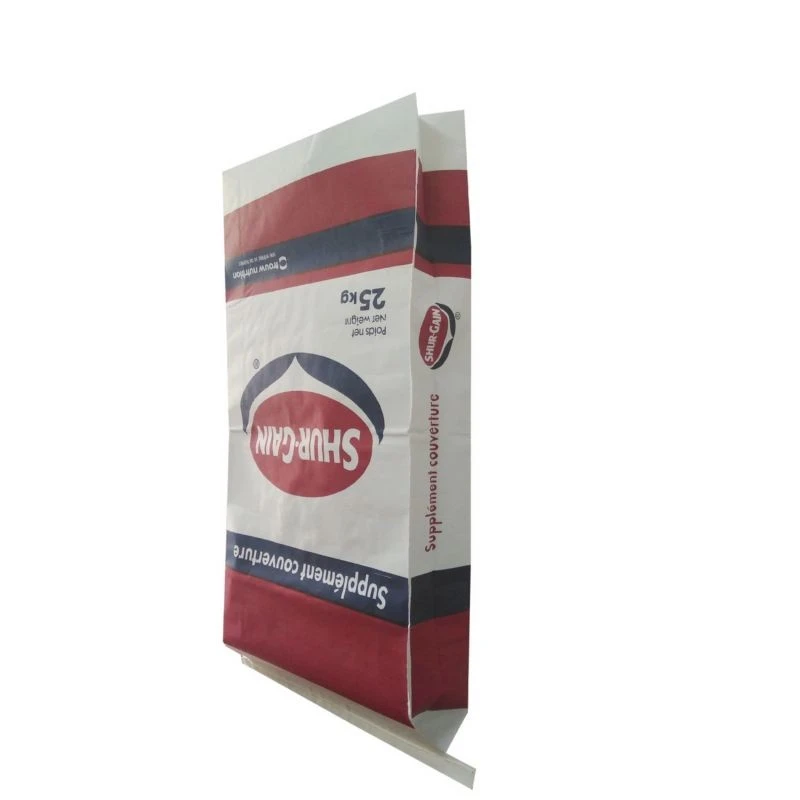

If you are interested in our fertilizer packaging bags or have any questions about moisture resistance, please feel free to contact us. We would be happy to discuss your specific needs and provide you with a customized solution. Let's work together to protect your fertilizers and enhance your agricultural productivity.
References
- "Fertilizer Packaging: Materials and Technologies" - Journal of Agricultural Engineering
- "Moisture Barrier Properties of Packaging Materials" - Packaging Technology and Science
- "Effect of Moisture on Fertilizer Quality" - Journal of Plant Nutrition