

As a supplier of fish feed bags, one question that frequently comes up from our customers is whether fish feed bags can be used in wet environments. This is a crucial concern, as the integrity of the feed bags directly impacts the quality and safety of the fish feed. In this blog, we'll delve into this topic in detail, exploring the properties of fish feed bags, the effects of wet environments on them, and how to make the best use of our products in various conditions.
Understanding Fish Feed Bags
Fish feed bags are designed to serve multiple purposes. Firstly, they need to protect the fish feed from external contaminants such as dust, insects, and moisture. Secondly, they should be strong enough to withstand the handling and transportation processes without tearing or breaking. At our company, we offer a wide range of fish feed bags, including the 50 kg Fish Feed Bag, which is popular among large - scale fish farmers.
These bags are typically made from materials like polyethylene (PE), polypropylene (PP), or a combination of different polymers. These materials are chosen for their durability, flexibility, and cost - effectiveness. Polyethylene, for example, is known for its good chemical resistance and water - repellency to some extent. Polypropylene, on the other hand, offers high tensile strength and is relatively stiff, which helps the bag maintain its shape.
The Impact of Wet Environments on Fish Feed Bags
When fish feed bags are exposed to wet environments, several things can happen. The most obvious issue is the potential for the bag material to absorb water. If the bag absorbs too much water, it can become weakened. The polymers in the bag may start to break down over time, especially if they are continuously exposed to moisture. This can lead to a reduction in the bag's strength, making it more prone to tearing during handling or storage.
Another concern is the growth of mold and mildew. Moisture provides an ideal environment for mold and mildew to thrive. If mold and mildew start to grow on the surface of the fish feed bag, they can contaminate the fish feed inside. This not only affects the quality of the feed but can also pose health risks to the fish.
In addition, a wet bag can cause the fish feed to clump together. This can make it difficult to dispense the feed evenly, and it may also lead to spoilage of the feed. The nutritional value of the feed can be compromised if it is exposed to moisture for an extended period.
Can Fish Feed Bags Be Used in Wet Environments?
The short answer is that it depends. Our fish feed bags are designed to have a certain level of water - resistance. However, they are not completely waterproof. If the wet environment is just slightly damp, such as in a storage area with high humidity, our bags can generally withstand it for a short period. For example, if the relative humidity is around 70 - 80%, and the exposure time is within a few days, the bags should maintain their integrity.
But if the bags are completely submerged in water or exposed to heavy rain for an extended period, it is not advisable to use them. The water will quickly penetrate the bag material, leading to the problems mentioned above. In such cases, additional protection measures should be taken.
Strategies for Using Fish Feed Bags in Wet Environments
If you need to use fish feed bags in a moderately wet environment, here are some strategies you can adopt:
-
Choose the Right Bag Material: Some of our bag materials are more water - resistant than others. For wetter conditions, we recommend bags made from high - density polyethylene (HDPE). HDPE has a higher level of water - repellency compared to low - density polyethylene (LDPE) and is more suitable for environments with higher moisture levels.
-
Use Protective Covers: You can use waterproof tarps or covers to protect the fish feed bags. Place the bags on pallets to keep them off the ground and cover them with a tarp. This will prevent direct contact with water and reduce the risk of moisture absorption.
-
Monitor the Environment: Regularly check the humidity and temperature in the storage area. If the humidity is too high, consider using dehumidifiers to reduce the moisture level. This will help keep the bags and the feed inside in good condition.
Other Products in Our Animal Feed Packaging Line
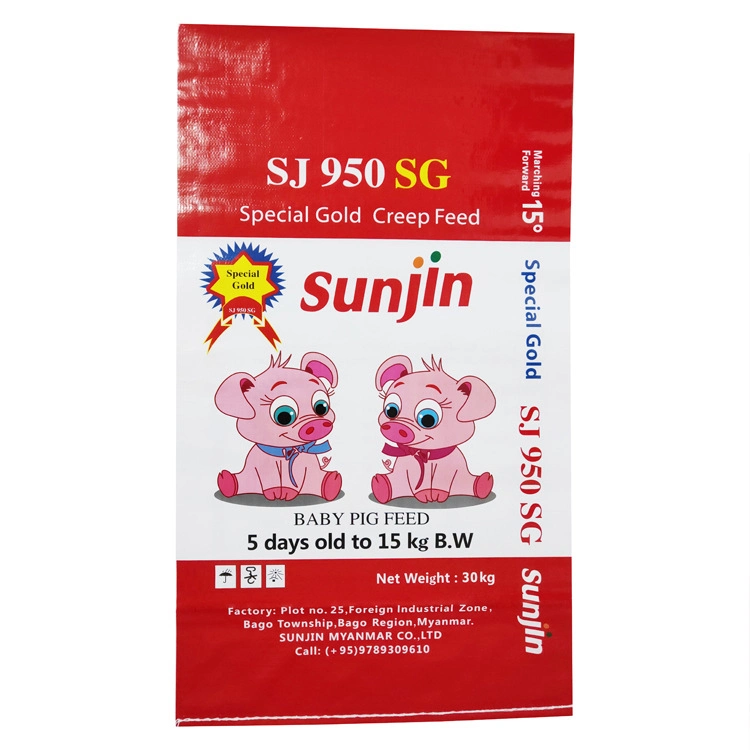
Apart from fish feed bags, we also offer a variety of other animal feed packaging solutions. Our Bulk Pig Feed Bags are designed to meet the needs of pig farmers. These bags are strong enough to hold large quantities of pig feed and are resistant to punctures and tears.
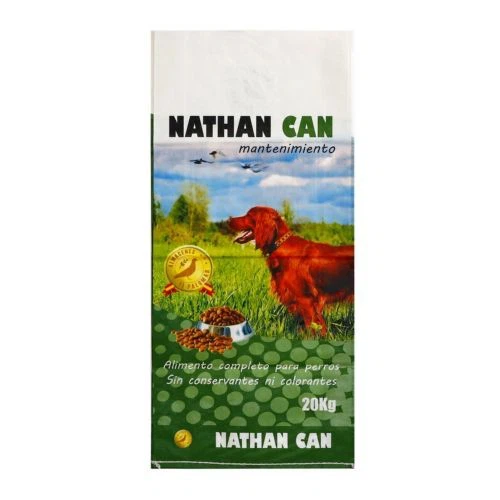
We also have Dog Food Packaging Bag options. These bags are not only functional but also aesthetically pleasing. They are designed to keep the dog food fresh and protected from external factors.
Conclusion and Call to Action
In conclusion, while our fish feed bags have some level of water - resistance, they are not suitable for long - term use in extremely wet environments. By understanding the properties of the bag materials and taking appropriate protective measures, you can use our fish feed bags effectively even in moderately wet conditions.
If you have any questions about our fish feed bags or other animal feed packaging products, or if you are interested in placing an order, please don't hesitate to contact us. We are committed to providing high - quality packaging solutions that meet your specific needs. Our team of experts is always ready to assist you in choosing the right products for your situation.
References
- "Plastics in Packaging: Properties and Applications" by John A. Robertson
- "Food Packaging: Principles and Practice" by Yanyun Zhao and Lisa M. Yam
- "Polymer Science and Technology" by Joel R. Fried