

Can food zipper bags be used for marinating food? Well, that's a question I get asked a lot as a supplier of Food Zipper Bags. Let's dig into this topic and see what the deal is.
First off, let's talk about what makes a good container for marinating food. When you're marinating, you want a container that can hold the marinade and the food together without leaking. It should also be able to keep the flavors in and prevent any unwanted odors from getting out. And of course, it needs to be safe for food contact.
Food zipper bags actually tick a lot of these boxes. They're made from materials that are approved for food contact, which means they won't leach any harmful chemicals into your food. Most food zipper bags are also pretty good at keeping things sealed up tight. The zipper closure helps to keep the marinade from leaking out, and it also helps to keep air out, which can be important for preserving the flavor of your food.
One of the big advantages of using food zipper bags for marinating is that they're really convenient. You can easily label the bag with the type of food and the marinade you're using, so you don't forget. And because they're flexible, you can squeeze the bag to make sure the marinade coats all the food evenly. This can be especially useful when you're marinating things like chicken or steak, where you want the flavor to penetrate the meat.
Another advantage is that food zipper bags are usually pretty cheap. You can buy them in bulk, which makes them a cost-effective option for marinating food. And because they're disposable, you don't have to worry about cleaning them after you're done. Just throw the bag away and you're good to go.
But like anything, there are also some downsides to using food zipper bags for marinating. One of the main concerns is that they're not as durable as some other types of containers. If you're marinating something for a long time, or if you're using a really acidic marinade, the bag could start to break down or leak. This could not only make a mess, but it could also contaminate your food.
Another issue is that food zipper bags can sometimes trap air inside, which can cause the food to spoil more quickly. To avoid this, try to squeeze out as much air as possible before you seal the bag. You can also use a vacuum sealer to remove the air completely, which can help to extend the shelf life of your marinated food.
So, can food zipper bags be used for marinating food? The answer is yes, but with some caveats. They're a convenient and cost-effective option, but you need to make sure you're using them properly. Here are some tips to help you get the most out of your food zipper bags when marinating:
- Choose the right size bag: Make sure the bag is big enough to hold the food and the marinade without being too full. If the bag is too small, the marinade might not be able to coat all the food evenly.
- Use a high-quality bag: Look for bags that are made from thick, durable plastic. This will help to prevent the bag from breaking down or leaking.
- Squeeze out the air: Before you seal the bag, try to squeeze out as much air as possible. This will help to prevent the food from spoiling and will also make sure the marinade coats the food evenly.
- Label the bag: Write down the type of food and the marinade you're using on the bag. This will help you to keep track of what's in the bag and when you marinated it.
- Don't marinate for too long: Most foods don't need to be marinated for more than a few hours. If you marinate the food for too long, it could become mushy or lose its flavor.
In addition to food zipper bags, we also offer other types of food packaging bags, such as Spout Pouch Bag, Grain Packaging Bags, and Corn Flour Bag. These bags are also made from high-quality materials and are designed to keep your food fresh and safe.
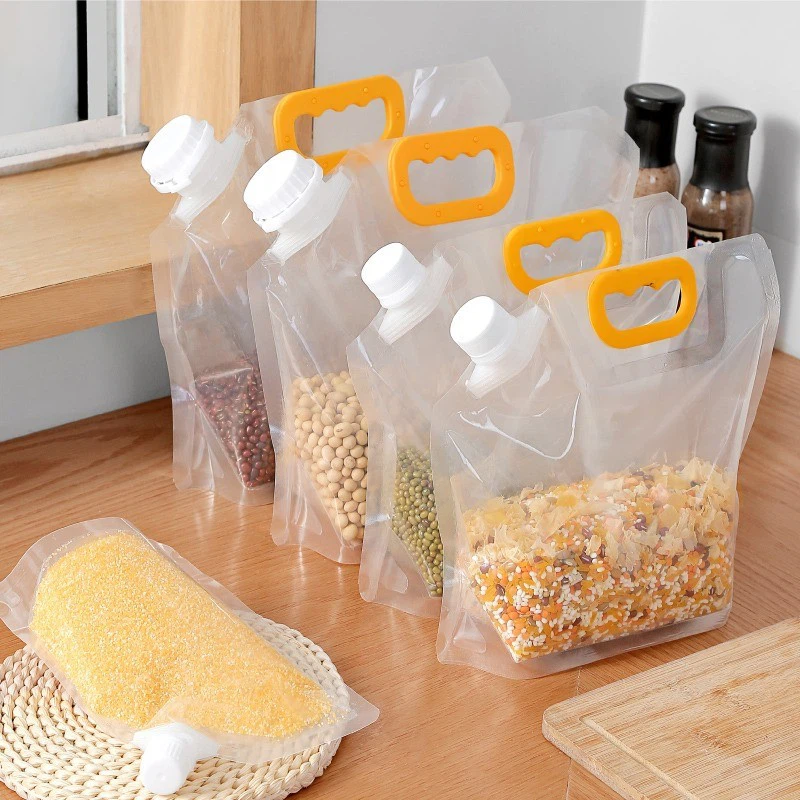
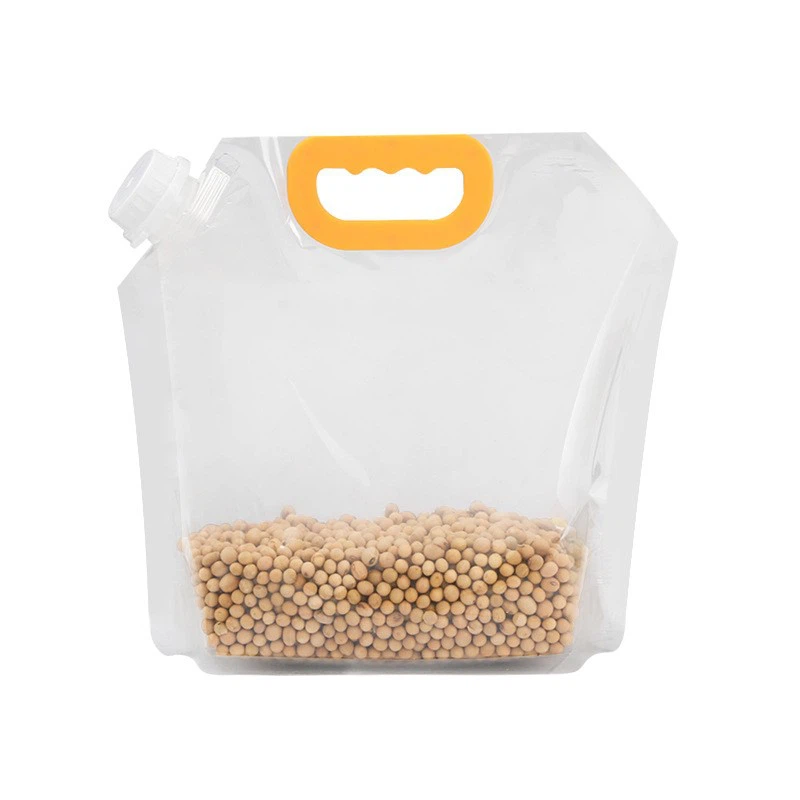
If you're interested in learning more about our food packaging bags or if you have any questions about using food zipper bags for marinating, please don't hesitate to contact us. We're always happy to help and can provide you with more information about our products and services. Whether you're a home cook or a professional chef, we have the right packaging solution for you. So why wait? Reach out to us today and let's start a conversation about your food packaging needs.
References
- "Food Packaging: Principles and Practice" by Marilyn Etzel
- "The Science of Cooking" by Peter Barham