

As a supplier of Pig Feed Bags, I've been deeply involved in understanding the nuances of feed packaging. One question that often arises in the industry is whether pig feed bags have a proper ventilation design. This is not just a trivial matter; it has significant implications for the quality of the feed, the health of the pigs, and ultimately, the success of pig farmers.
The Importance of Ventilation in Pig Feed Bags
Proper ventilation in pig feed bags is crucial for several reasons. First and foremost, it helps to control moisture levels. Pig feed, like any other animal feed, contains a certain amount of moisture. If this moisture is not allowed to escape, it can lead to the growth of mold and bacteria. Moldy feed is not only unappetizing to pigs but can also be harmful to their health. It can cause respiratory problems, digestive issues, and even reduce the overall growth rate of the pigs.
Secondly, ventilation helps to maintain the nutritional value of the feed. Oxygen is essential for the preservation of many nutrients in the feed. Without proper ventilation, the feed can become stale, and the nutrients can degrade over time. This means that pigs may not be getting the full range of vitamins, minerals, and other essential nutrients they need for optimal growth and health.
Another important aspect is the prevention of heat buildup. Pig feed bags are often stored in warm environments, especially in tropical and subtropical regions. If the bags do not have proper ventilation, the heat generated by the feed itself can accumulate inside the bag. This can further accelerate the degradation of the feed and increase the risk of mold growth.
Current Ventilation Designs in Pig Feed Bags
There are several types of ventilation designs used in pig feed bags. One common method is the use of perforations or small holes in the bag. These perforations allow air to circulate in and out of the bag, helping to control moisture and temperature. However, the size and number of perforations need to be carefully considered. If the holes are too large, they can allow pests such as insects and rodents to enter the bag and contaminate the feed. On the other hand, if the holes are too small, they may not provide sufficient ventilation.
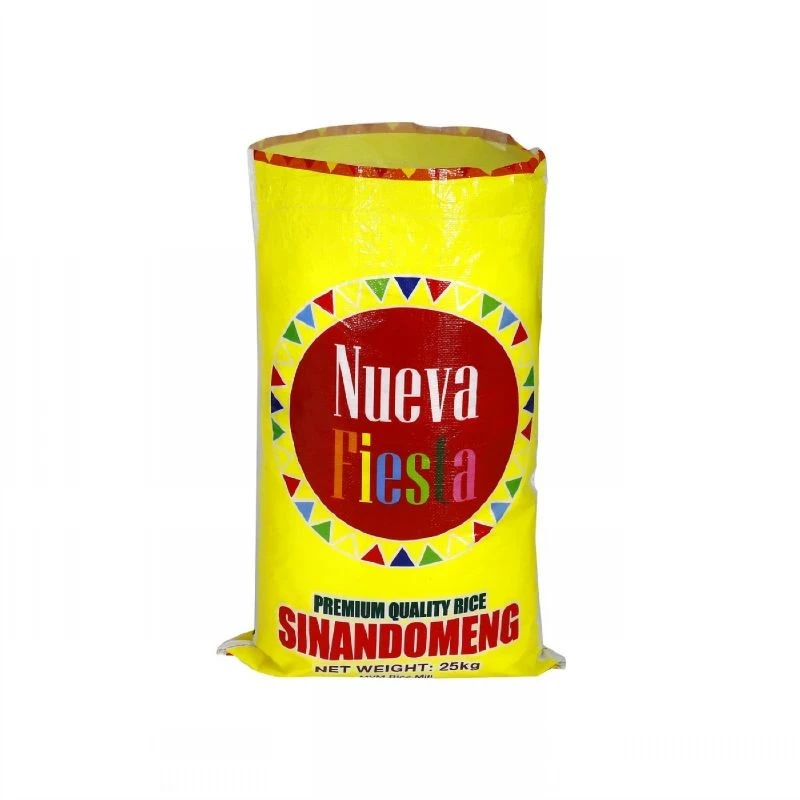
Some pig feed bags also use breathable materials. These materials are designed to allow air and moisture to pass through while still providing a barrier against pests and contaminants. For example, some bags are made from woven polypropylene, which has a porous structure that allows for good ventilation. However, the quality of the breathable material can vary, and it's important to choose a material that is durable and can withstand the rigors of handling and storage.
In addition to perforations and breathable materials, some pig feed bags are designed with ventilation channels or chambers. These channels are built into the structure of the bag and are designed to direct air flow in a specific way. This can help to ensure that all parts of the bag receive adequate ventilation, even in large or densely packed bags.
Challenges in Designing Proper Ventilation
Designing proper ventilation for pig feed bags is not without its challenges. One of the main challenges is finding the right balance between ventilation and protection. As mentioned earlier, the bag needs to allow air and moisture to pass through while still protecting the feed from pests, contaminants, and physical damage. This requires careful consideration of the materials, design, and manufacturing processes.
Another challenge is the variability in storage and transportation conditions. Pig feed bags are often stored and transported in different environments, from hot and humid warehouses to cold and dry trucks. The ventilation design needs to be able to adapt to these different conditions and still provide effective ventilation. For example, in a humid environment, the bag may need to have more ventilation to prevent mold growth, while in a dry environment, less ventilation may be required to prevent the feed from drying out.
Cost is also a factor. Some of the more advanced ventilation designs and materials can be more expensive than traditional designs. This can make it difficult for some pig feed suppliers to justify the additional cost, especially in a competitive market. However, it's important to remember that investing in proper ventilation can ultimately save money in the long run by reducing feed waste and improving the health of the pigs.

Our Approach as a Pig Feed Bag Supplier
As a supplier of Pig Feed Bags, we take the issue of ventilation design very seriously. We understand the importance of providing our customers with high-quality bags that not only protect the feed but also ensure its freshness and nutritional value.
We work closely with our customers to understand their specific needs and requirements. Different pig farmers may have different storage and transportation conditions, and we tailor our ventilation designs accordingly. For example, if a farmer stores their feed in a humid environment, we may recommend a bag with more perforations or a breathable material that can handle high moisture levels.
We also invest in research and development to continuously improve our ventilation designs. We are constantly exploring new materials and manufacturing techniques that can provide better ventilation while still meeting the other requirements of the bag, such as strength, durability, and cost-effectiveness.
In addition to our standard pig feed bags, we also offer custom-designed bags. This allows our customers to have a bag that is specifically tailored to their needs. Whether it's a unique ventilation design, a specific size or shape, or a special printing or labeling requirement, we can work with our customers to create a bag that meets their exact specifications.
Related Products
If you're interested in other types of animal feed bags, we also offer Weed and Feed Bag, Bulk Pig Feed Bags, and Sheep Feed Bags. These bags are also designed with the same attention to detail and quality as our pig feed bags, and they offer similar ventilation options to ensure the freshness and quality of the feed.
Conclusion
In conclusion, proper ventilation design in pig feed bags is essential for maintaining the quality of the feed, the health of the pigs, and the profitability of pig farmers. While there are challenges in designing the perfect ventilation system, with careful consideration of the materials, design, and manufacturing processes, it is possible to create a bag that provides effective ventilation while still protecting the feed from pests, contaminants, and physical damage.
As a pig feed bag supplier, we are committed to providing our customers with the best possible ventilation designs. We believe that by investing in proper ventilation, we can help our customers reduce feed waste, improve the health of their pigs, and ultimately increase their bottom line.
If you're interested in learning more about our Pig Feed Bags or discussing your specific ventilation requirements, please feel free to contact us. We'd be happy to work with you to find the perfect solution for your needs.
References
- "Principles of Animal Feed Science and Technology" by P. Cheeke
- "Feed Manufacturing Technology" by R. H. Cromwell
- Industry reports on animal feed packaging