

Hey there! I'm a supplier of pig feed bags, and today I wanna chat about a super important question: Do pig feed bags need to be air-tight?
First off, let's talk about why air-tightness might matter. Pig feed is full of nutrients like proteins, fats, and vitamins. When it's exposed to air, a bunch of bad stuff can happen. Oxygen in the air can cause oxidation. Oxidation can make the fats in the feed go rancid. You know how old cooking oil starts to smell bad? That's oxidation at work. And when pig feed goes rancid, it not only loses its nutritional value but also tastes and smells bad. Pigs are picky eaters in a way, and they might not eat feed that doesn't smell right. This means less food intake for the pigs, which can slow down their growth and development.
Moisture is another big enemy. If the pig feed bags aren't air-tight, moisture from the air can seep in. Moist feed is a breeding ground for mold and bacteria. Mold can produce toxins that are really harmful to pigs. These toxins can cause all sorts of health problems, from digestive issues to more serious long - term health complications. Bacteria can also multiply in moist feed, leading to spoilage and making the feed unfit for consumption.
Now, let's look at the benefits of using air - tight pig feed bags. One of the most obvious benefits is the preservation of the feed's quality. When the bag is air - tight, it keeps oxygen and moisture out, so the feed stays fresh for a longer time. This means that farmers can buy feed in larger quantities without worrying about it going bad quickly. It also reduces waste because less feed gets spoiled.
Another advantage is cost - savings. Since the feed stays fresh longer, farmers don't have to replace it as often. They can make the most out of their purchases, which is great for their bottom line. And for us as suppliers, it means happy customers who are more likely to come back for more.
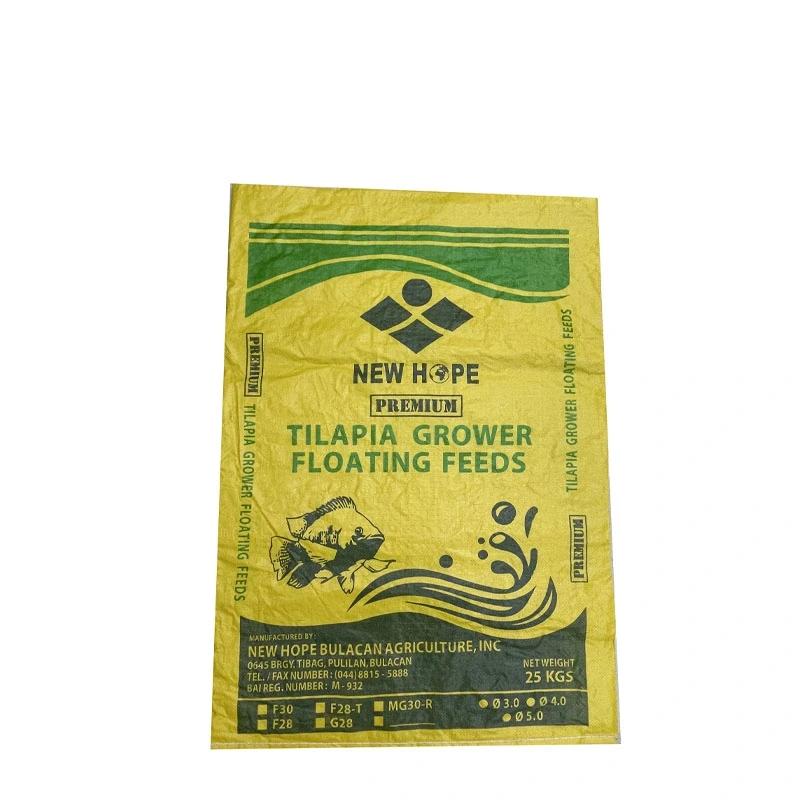

But here's the thing, not all situations require air - tight pig feed bags. If the feed is going to be used up really quickly, say within a few days, then a non - air - tight bag might be okay. For small - scale pig farms where the feed consumption is high and the turnover is fast, the risk of spoilage is relatively low. However, for larger farms or for feed that needs to be stored for a longer period, air - tight bags are a must.
When it comes to choosing the right air - tight pig feed bags, there are a few things to consider. The material of the bag is crucial. High - quality plastics or laminated materials are often used because they can provide a good barrier against air and moisture. The thickness of the material also matters. A thicker bag is generally more durable and better at maintaining air - tightness.
Now, I also want to mention that we offer a wide range of animal feed packaging bags. Besides pig feed bags, we have 50 kg Fish Feed Bag, Horse Feed Packaging Bag, and Bird Packaging Bag. Each type of bag is designed to meet the specific needs of different animal feeds.
If you're in the market for pig feed bags or any other animal feed packaging bags, I'd love to have a chat with you. Whether you're a small - scale farmer or a large - scale operation, we can find the right solution for you. Our team is always ready to answer your questions and help you make the best choice for your feed storage needs.
In conclusion, while air - tight pig feed bags aren't always necessary, they offer significant advantages in terms of feed quality preservation, cost - savings, and animal health. If you're looking to improve the efficiency of your pig farming operation or ensure the best quality feed for your animals, consider using air - tight bags.
References
- "Principles of Animal Nutrition" - A well - known textbook on animal nutrition that discusses the impact of feed spoilage on animal health.
- Industry reports on animal feed packaging trends and best practices.