

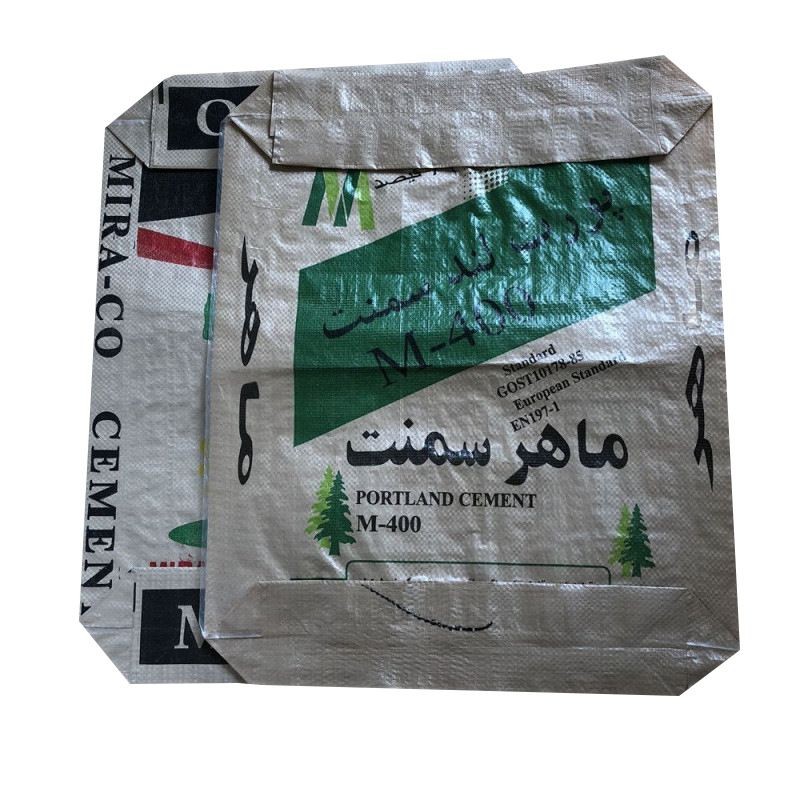
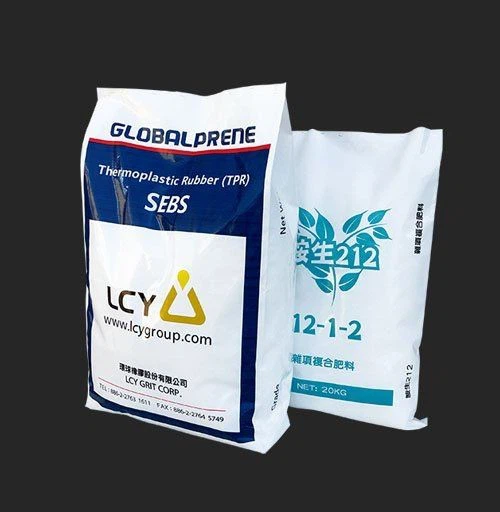
As a supplier of PE valve bags, I often encounter inquiries from customers about the proper way to clean these bags. PE valve bags are widely used in various industries for packaging different types of products, such as chemicals, sand, and cement. Keeping these bags clean is not only important for maintaining their appearance but also for ensuring the quality and integrity of the products they contain. In this blog post, I will share some effective methods and tips on how to clean PE valve bags.
Understanding PE Valve Bags
Before diving into the cleaning process, it's essential to understand the characteristics of PE valve bags. PE, or polyethylene, is a popular plastic material known for its durability, flexibility, and resistance to moisture and chemicals. Valve bags are designed with a small opening, or valve, on one side, which allows for easy filling and sealing. These bags are commonly used for packaging dry powders, granules, and other free - flowing materials.
Tools and Materials Needed
To clean PE valve bags, you will need the following tools and materials:
- Mild detergent: Choose a mild, non - abrasive detergent that is suitable for cleaning plastic. Avoid using harsh chemicals or solvents that may damage the PE material.
- Soft brush or sponge: A soft - bristled brush or sponge is ideal for gently scrubbing the surface of the bags without scratching them.
- Clean water: You will need a sufficient amount of clean water for rinsing the bags.
- Dry cloth or towel: To dry the bags after cleaning.
Step - by - Step Cleaning Process
1. Empty the Bags Completely
The first step in cleaning PE valve bags is to ensure that they are completely empty. Remove all the remaining product from the bags, either by pouring it out or using a suitable tool to scrape out any residue. Make sure to dispose of the product properly according to the relevant regulations.
2. Pre - rinse the Bags
Fill a large container or sink with clean water. Submerge the PE valve bags in the water and let them soak for a few minutes. This will help to loosen any loose dirt, dust, or product residue on the surface of the bags. Gently swish the bags around in the water to dislodge as much debris as possible.
3. Prepare the Detergent Solution
In a separate container, mix a small amount of mild detergent with water according to the manufacturer's instructions. Stir the solution gently until the detergent is fully dissolved.
4. Scrub the Bags
Dip the soft brush or sponge into the detergent solution and gently scrub the surface of the PE valve bags. Pay special attention to areas with stubborn stains or residue. Use a circular motion to clean the bags thoroughly, but be careful not to apply too much pressure, as this may damage the bags.
5. Rinse the Bags
After scrubbing, rinse the bags thoroughly under running water to remove all the detergent and loosened dirt. Make sure to rinse both the inside and outside of the bags. You can also submerge the bags in a container of clean water and swish them around to ensure complete rinsing.
6. Dry the Bags
Once the bags are rinsed, use a dry cloth or towel to pat them dry. You can also hang the bags up to air - dry in a well - ventilated area. Avoid exposing the bags to direct sunlight or high - heat sources, as this may cause the PE material to warp or deform.
Special Considerations for Different Types of Contaminants
Chemical Residue
If the PE valve bags have been used to package chemicals, it's crucial to take extra precautions when cleaning them. Some chemicals may be hazardous or corrosive, so it's important to follow the safety guidelines provided by the chemical manufacturer. In some cases, you may need to use a specialized cleaning agent or consult a professional cleaning service.
Sand and Dust
For bags that have been used to package sand or dust, the pre - rinsing step is especially important. Sand and dust can be abrasive, so make sure to remove as much of it as possible before scrubbing the bags. You may also need to use a more thorough scrubbing process to remove any embedded particles.
Cement Residue
Cement residue can be particularly stubborn to remove. If the bags have cement residue, you may need to soak them in a solution of water and a mild acid (such as vinegar) for a longer period to help dissolve the cement. However, be careful when using acid solutions, as they can damage the PE material if left on for too long.
Benefits of Cleaning PE Valve Bags
Cleaning PE valve bags regularly offers several benefits:
- Extended Lifespan: By removing dirt, dust, and residue, you can prevent the bags from deteriorating prematurely. This means that you can reuse the bags multiple times, reducing your packaging costs in the long run.
- Product Quality: Clean bags help to maintain the quality of the products they contain. Contaminated bags can introduce foreign particles or chemicals into the product, which may affect its performance or safety.
- Environmental Sustainability: Reusing clean bags reduces the amount of waste generated by your packaging operations. This is not only good for the environment but also demonstrates your commitment to sustainable business practices.
Conclusion
Cleaning PE valve bags is a relatively simple process that can have significant benefits for your business. By following the steps outlined in this blog post and taking the necessary precautions, you can keep your PE valve bags in good condition and ensure the quality of your products.
If you are interested in purchasing high - quality PE valve bags or have any questions about their cleaning or usage, please feel free to contact us. We are always ready to provide you with the best products and services.
We also offer a wide range of other packaging solutions, such as PE Heavy Packing Bags, Sand Packaging Bags, and Cement Packaging Bags. Visit our website to learn more about our product offerings and start a procurement negotiation with us.
References
- "Plastic Packaging Materials: Properties and Applications" by John W. S. Hearle
- "Handbook of Plastic Films" edited by T. Peacock