

As a supplier of Poultry Feed Bags, I've encountered numerous challenges in the industry, and one of the most persistent issues that both I and my customers face is rodent infestation. Rodents chewing through poultry feed bags can lead to significant losses, not only in terms of the wasted feed but also in the potential spread of diseases. In this blog, I'll share some effective strategies to prevent rodents from chewing through poultry feed bags.
Understanding the Problem
Rodents, such as mice and rats, are attracted to poultry feed due to its high nutritional value. Their sharp teeth allow them to easily gnaw through many types of packaging materials. Once they gain access to the feed, they can contaminate it with their feces, urine, and hair, posing a health risk to the poultry. Moreover, a rodent infestation can quickly get out of control, leading to damage to other stored items and even structural damage to the storage facility.
Choosing the Right Packaging Materials
One of the first steps in preventing rodent damage is to select the appropriate packaging materials. Traditional paper or thin plastic bags are often no match for the chewing power of rodents. Instead, consider using thicker, more durable materials.
- High - Density Polyethylene (HDPE) Bags: HDPE bags are a popular choice for poultry feed packaging. They are strong, resistant to tearing, and have a smooth surface that makes it difficult for rodents to get a grip. These bags can withstand the sharp teeth of rodents and provide a reliable barrier against infestation.
- Laminated Bags: Laminated bags combine multiple layers of different materials, such as plastic and foil. The additional layers not only enhance the strength of the bag but also add a barrier against moisture and oxygen, which can help preserve the quality of the feed. Rodents find it much more challenging to chew through these multi - layer structures.
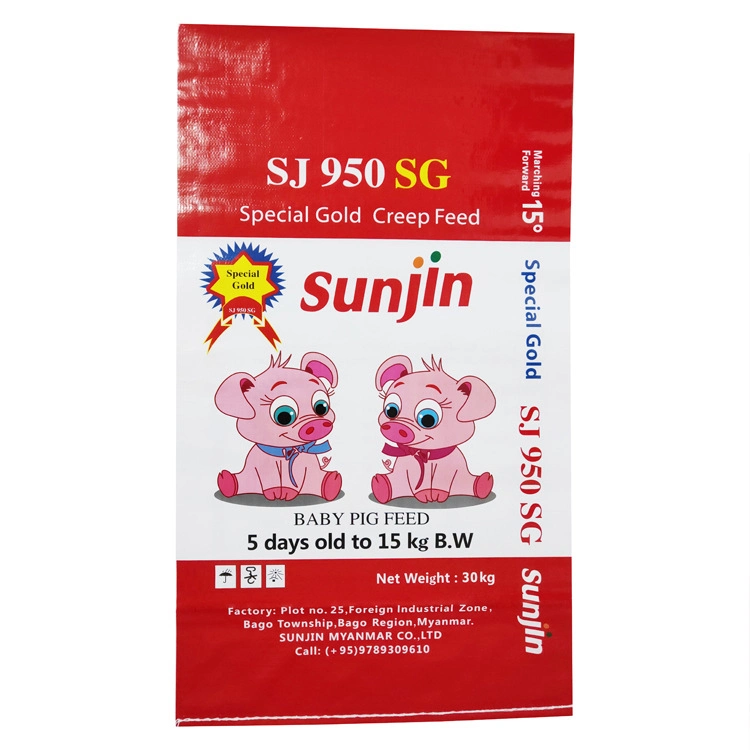
We offer a variety of high - quality packaging options, including 50 kg Fish Feed Bag, which are made from durable materials that can resist rodent damage. Our Dog Food Packaging Bag and Bulk Pig Feed Bags also follow the same high - standard manufacturing process, ensuring the safety of the feed inside.
Proper Storage Techniques
Even with the best packaging, proper storage is crucial in preventing rodent access to poultry feed bags.

- Elevated Storage: Store feed bags on pallets or shelves at least 18 inches off the ground. This makes it more difficult for rodents to reach the bags and reduces the risk of them chewing through the bottom of the bags. Elevated storage also helps with ventilation and moisture control, which are important for maintaining the quality of the feed.
- Organized Storage: Keep the storage area clean and organized. Remove any spilled feed promptly, as it can attract rodents. Stack the bags neatly and avoid creating clutter, as rodents like to hide in dark, cluttered spaces.
- Sealed Storage Containers: For smaller quantities of feed, consider using sealed plastic containers. These containers provide an extra layer of protection against rodents and can also help keep the feed fresh.
Rodent - Proofing the Storage Area
In addition to proper packaging and storage, rodent - proofing the storage area is essential.
- Seal Cracks and Holes: Inspect the storage area regularly for any cracks, holes, or gaps in the walls, floors, and ceilings. Rodents can squeeze through very small openings, so use caulk, steel wool, or wire mesh to seal these entry points. Pay special attention to areas around pipes, vents, and doors.
- Door and Window Seals: Ensure that doors and windows have tight - fitting seals. Replace any damaged weatherstripping or door sweeps to prevent rodents from entering the storage area.
- Outdoor Maintenance: Keep the area around the storage facility clean and free of debris. Trim bushes and trees away from the building to eliminate potential hiding places for rodents. Remove any standing water, as it can attract rodents and other pests.
Using Deterrents
There are several natural and chemical deterrents that can be used to keep rodents away from poultry feed bags.
- Peppermint Oil: Rodents dislike the strong smell of peppermint oil. Soak cotton balls in peppermint oil and place them around the storage area, especially near entry points and areas where rodents are likely to hide.
- Ultrasonic Repellents: Ultrasonic repellents emit high - frequency sound waves that are unpleasant to rodents. These devices can be placed in the storage area to deter rodents without using harmful chemicals.
- Rodenticides: If the rodent problem is severe, rodenticides can be used as a last resort. However, they should be used with caution, as they can be harmful to other animals and humans. Follow the instructions carefully and place the rodenticides in areas where they are inaccessible to poultry and non - target animals.
Regular Inspections
Regular inspections of the poultry feed bags and the storage area are essential to detect any signs of rodent activity early.
- Visual Inspections: Check the bags for any signs of chewing, holes, or gnaw marks. Look for rodent droppings, urine stains, or nesting materials in the storage area. If you notice any signs of rodent activity, take immediate action to address the problem.
- Monitoring Traps: Set up monitoring traps in the storage area to catch any rodents that may be present. This can help you determine the extent of the infestation and take appropriate measures.
Conclusion
Preventing rodents from chewing through poultry feed bags requires a multi - faceted approach. By choosing the right packaging materials, implementing proper storage techniques, rodent - proofing the storage area, using deterrents, and conducting regular inspections, you can significantly reduce the risk of rodent infestation.
As a Poultry Feed Bags supplier, I'm committed to providing high - quality packaging solutions that help protect your feed from rodents and other pests. If you're interested in learning more about our products or have any questions about preventing rodent damage, please feel free to contact us for a detailed discussion and potential procurement.
References
- "Rodent Control in Poultry Farms", Poultry Science Journal, Vol. 85, Issue 3.
- "Packaging Materials for Animal Feed", Journal of Agricultural Packaging Technology, Vol. 22, Issue 4.
- "Effective Rodent Deterrents", Pest Management Magazine, Vol. 30, Issue 2.