

As a supplier of Poultry Feed Bags, I've encountered numerous challenges and queries from our customers. One of the most common issues that poultry farmers face is the caking of feed inside the bags. This problem not only affects the quality of the feed but also leads to significant losses. In this blog, I'll share some effective strategies to prevent the feed in poultry feed bags from caking.
Understanding the Causes of Feed Caking
Before delving into the prevention methods, it's essential to understand why feed cakes in the first place. The primary factors contributing to feed caking include moisture, temperature, and the composition of the feed itself.
Moisture is perhaps the most significant culprit. When feed absorbs moisture from the surrounding environment, it can lead to the formation of clumps. This can occur during storage if the bags are not properly sealed or if they are stored in a humid area. Temperature fluctuations also play a role. When the temperature rises, the moisture in the feed can evaporate and then condense on the inner surface of the bag, leading to caking.
The composition of the feed can also influence its tendency to cake. Feed that contains a high percentage of fine particles or ingredients with a high fat content is more likely to cake. Additionally, some feed additives can cause the feed to clump together.
Choosing the Right Packaging
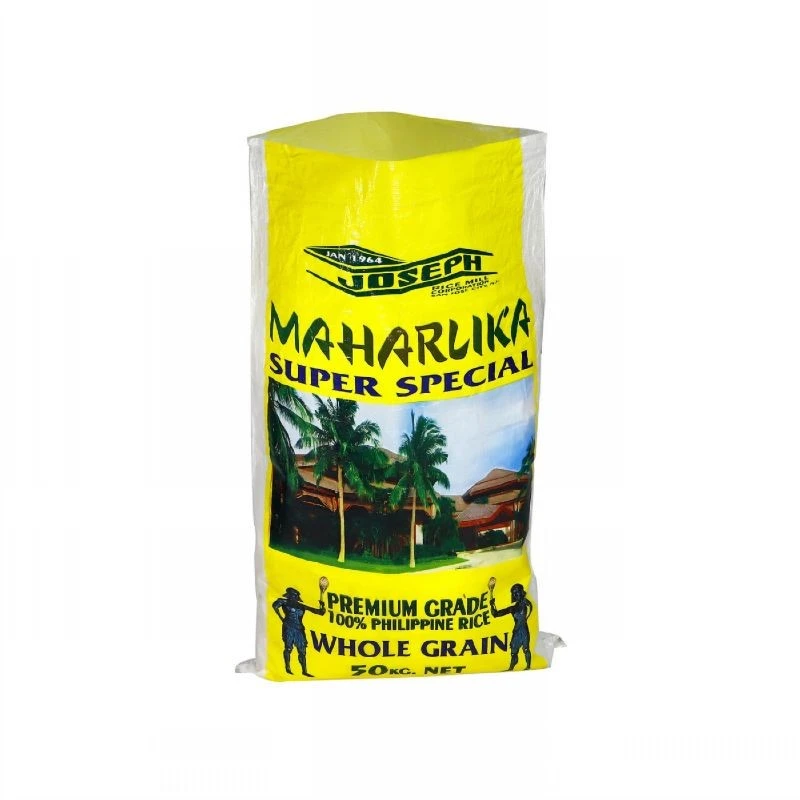
One of the most effective ways to prevent feed caking is to choose the right packaging. Our company offers a wide range of Poultry Feed Bags designed to keep the feed fresh and free from caking. These bags are made from high-quality materials that provide excellent moisture resistance.
For example, our 50 kg Fish Feed Bag is constructed with a multi-layer structure that includes a moisture barrier. This barrier prevents moisture from entering the bag, keeping the feed dry and free from caking. Similarly, our Weed and Feed Bag is designed to protect the feed from environmental factors, ensuring its quality over an extended period.
In addition to moisture resistance, our bags are also designed to be durable and puncture-resistant. This helps to prevent damage to the bag during handling and storage, reducing the risk of moisture ingress.
Proper Storage Conditions
Even with the best packaging, proper storage conditions are crucial to prevent feed caking. Poultry feed should be stored in a cool, dry place away from direct sunlight and sources of heat. The storage area should have good ventilation to prevent the buildup of moisture.
It's also important to store the feed bags off the ground. Placing the bags on pallets or racks helps to prevent moisture from seeping into the bags from the floor. Additionally, the bags should be stacked in a way that allows for proper air circulation between them.
Temperature control is another important aspect of storage. Extreme temperatures can cause the feed to expand and contract, leading to caking. Therefore, it's recommended to store the feed at a consistent temperature. If possible, use a temperature-controlled storage facility.
Feed Handling and Mixing
Proper feed handling and mixing can also help to prevent caking. When handling the feed, it's important to avoid excessive agitation or compression, as this can cause the feed particles to stick together. Use gentle handling techniques to minimize the risk of caking.
During the mixing process, ensure that the feed ingredients are thoroughly mixed. Uneven mixing can result in pockets of concentrated ingredients, which are more likely to cake. Use a high-quality mixer to ensure a uniform distribution of the ingredients.

It's also a good idea to add anti-caking agents to the feed. These agents help to prevent the feed particles from sticking together. There are various types of anti-caking agents available, and the choice depends on the type of feed and the specific requirements.
Regular Inspection and Monitoring
Regular inspection and monitoring of the feed bags are essential to detect any signs of caking early. Check the bags for any visible signs of moisture, such as condensation on the inner surface or dampness on the outside. If you notice any signs of caking, take immediate action to prevent further deterioration.
Inspect the feed itself for any clumps or lumps. If you find caked feed, it's important to determine the cause and take appropriate measures to prevent it from happening again. This may involve adjusting the storage conditions, changing the packaging, or modifying the feed formulation.
Conclusion
Preventing the feed in poultry feed bags from caking is a multi-faceted challenge that requires a combination of proper packaging, storage conditions, feed handling, and monitoring. As a Poultry Feed Bags supplier, we are committed to providing our customers with high-quality packaging solutions that help to keep their feed fresh and free from caking.
If you're interested in learning more about our Poultry Feed Bags or have any questions about preventing feed caking, please don't hesitate to contact us. We'd be happy to discuss your specific needs and provide you with the best solutions. Whether you're a small-scale poultry farmer or a large commercial operation, we have the expertise and products to meet your requirements. Let's work together to ensure the quality and freshness of your poultry feed.
References
- "Poultry Feed Storage and Handling" - University of Georgia Extension
- "Preventing Feed Caking in Animal Feed" - Feed Research Institute