

As a seasoned supplier of Kraft Paper Bags, I've witnessed firsthand the diverse needs and preferences of our customers when it comes to packaging. One of the most frequently asked questions we receive is about how to effectively seal a kraft paper bag. In this blog post, I'll delve into the various methods of sealing kraft paper bags, their pros and cons, and offer some tips to ensure a secure and reliable seal.
Why Proper Sealing Matters
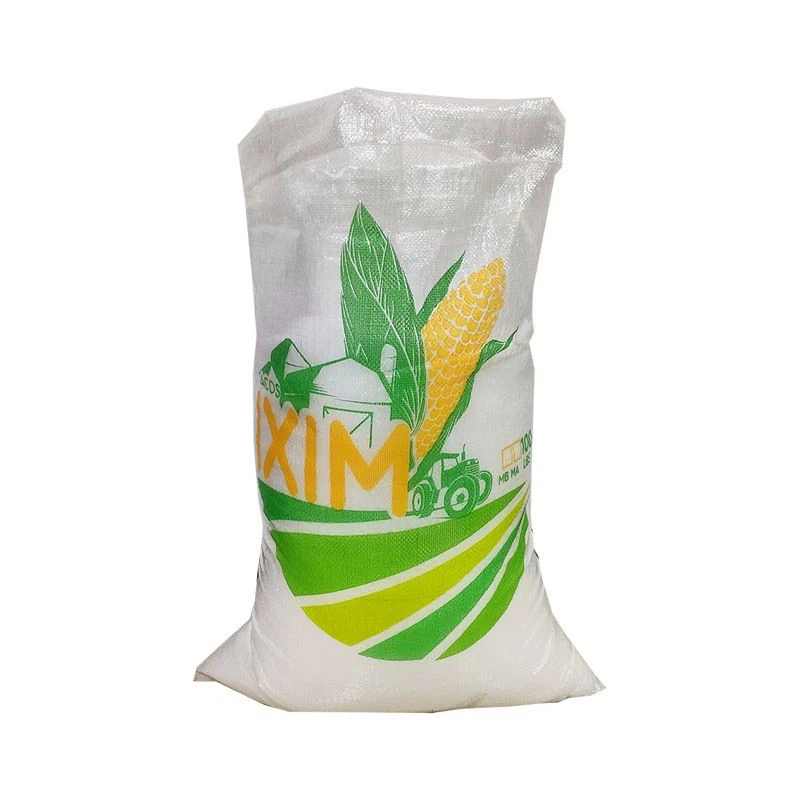
Before we explore the sealing methods, let's understand why proper sealing is crucial for kraft paper bags. Firstly, a good seal protects the contents from external factors such as moisture, dust, and pests. This is especially important for products like Corn Flour Bag and Corn Packaging Bag, which need to maintain their quality and freshness. Secondly, a secure seal enhances the overall presentation of the product, giving it a professional and finished look. Lastly, it can prevent spillage during transportation and handling, reducing waste and potential damage.
Common Sealing Methods
1. Adhesive Tapes
Adhesive tapes are one of the most popular and convenient ways to seal kraft paper bags. They come in various types, such as clear plastic tape, paper tape, and double-sided tape.
- Pros:
- Easy to use: You can simply tear or cut the tape to the desired length and apply it to the bag opening.
- Quick sealing: It provides an immediate seal, saving time during the packaging process.
- Versatile: Suitable for sealing different sizes and types of kraft paper bags.
- Cons:
- Limited durability: The adhesive may weaken over time, especially in humid or high-temperature environments.
- Aesthetic issues: Some tapes may leave a visible residue or look less appealing on the bag.
2. Glue
Glue is another traditional method for sealing kraft paper bags. There are different types of glue available, including white glue, craft glue, and hot glue.
- Pros:
- Strong bond: Glue can create a very strong and permanent seal, ensuring the bag remains closed.
- Customizable: You can apply the glue precisely where needed, allowing for a more tailored seal.
- Cost-effective: Glue is generally inexpensive and can be used for multiple bags.
- Cons:
- Drying time: Glue requires time to dry, which may slow down the packaging process.
- Messy application: It can be difficult to apply glue neatly, and excess glue may stain the bag.
3. Heat Sealing
Heat sealing is a more advanced method that involves using heat to melt the inner layer of the kraft paper bag and create a seal. This method is commonly used for bags with a plastic or wax coating.

- Pros:
- Secure and airtight: Heat sealing provides a strong, airtight seal that protects the contents from moisture and oxygen.
- Long-lasting: The seal is durable and can withstand rough handling and transportation.
- High-speed operation: Heat sealing machines can seal multiple bags quickly, making it suitable for large-scale production.
- Cons:
- Equipment required: You need a heat sealing machine, which can be expensive to purchase and maintain.
- Limited to certain bag types: Heat sealing is only suitable for bags with a heat-sealable layer.
4. Twist Ties and Clips
Twist ties and clips are simple and inexpensive options for sealing kraft paper bags. They are commonly used for bags that need to be opened and closed multiple times.
- Pros:
- Reusable: Twist ties and clips can be removed and reused, making them a cost-effective choice.
- Easy to use: They can be quickly attached and detached from the bag opening.
- Flexible: Suitable for bags of different sizes and shapes.
- Cons:
- Less secure: They may not provide as tight a seal as other methods, especially for bags containing small or lightweight items.
- Aesthetically less appealing: Twist ties and clips may not look as professional as other sealing options.
Tips for Effective Sealing
Regardless of the sealing method you choose, here are some tips to ensure a successful seal:
- Clean the bag opening: Make sure the bag opening is free of dust, debris, and moisture before sealing. This will help the adhesive or heat to bond properly.
- Apply the seal evenly: Whether you're using tape, glue, or heat, apply the seal evenly across the bag opening to ensure a strong and consistent bond.
- Test the seal: Before packaging the final product, test the seal on a sample bag to make sure it is secure and reliable.
- Follow the manufacturer's instructions: If you're using a heat sealing machine or a specific type of glue or tape, follow the manufacturer's instructions carefully to ensure proper operation.
Conclusion
Sealing a kraft paper bag is an important step in the packaging process that can affect the quality, safety, and presentation of your product. By choosing the right sealing method and following the tips outlined in this blog post, you can ensure a secure and reliable seal for your kraft paper bags. Whether you're packaging Corn Flour Bag, Spout Pouch Bag, or Corn Packaging Bag, we have the expertise and products to meet your packaging needs.
If you're interested in learning more about our kraft paper bags or have any questions about sealing methods, please don't hesitate to contact us. We're here to help you find the best packaging solutions for your business.
References
- Packaging Machinery Manufacturers Institute (PMMI). (2023). Packaging Machinery Handbook.
- American Society for Testing and Materials (ASTM). (2022). Standard Test Methods for Sealing Strength of Flexible Barrier Materials.
- International Safe Transit Association (ISTA). (2021). Packaging Testing Procedures.