

In the agricultural industry, the design of fertilizer packaging bags plays a crucial role in ensuring product safety, usability, and marketability. As a fertilizer packaging bags supplier, I understand the importance of creating user - friendly designs that meet the diverse needs of farmers, gardeners, and other fertilizer consumers. In this blog, I will share some key principles and strategies for designing fertilizer packaging bags to be user - friendly.
Understanding the User's Needs
The first step in designing user - friendly fertilizer packaging bags is to understand the needs and preferences of the end - users. Different types of users may have different requirements based on their usage scenarios, storage conditions, and handling capabilities.
Farmers, for example, often deal with large quantities of fertilizers. They need packaging bags that are durable enough to withstand rough handling during transportation and storage on farms. These bags should also be easy to open and close, as farmers may need to access the fertilizer multiple times. On the other hand, home gardeners usually purchase smaller quantities of fertilizers. They may prefer packaging bags that are more aesthetically pleasing and easier to handle, such as bags with a convenient size and shape that can fit easily in their gardening sheds or storage areas.
Material Selection
The choice of materials for fertilizer packaging bags is a critical factor in user - friendliness. There are several options available, each with its own advantages and disadvantages.
Plastic Fertilizer Bags
Plastic is a popular choice for fertilizer packaging due to its durability, moisture resistance, and cost - effectiveness. Plastic Fertilizer Bags can protect the fertilizer from moisture, which is essential for maintaining the quality of the product. They are also lightweight, making them easy to transport. However, plastic bags can be difficult to recycle in some areas, and they may not be the most environmentally friendly option.
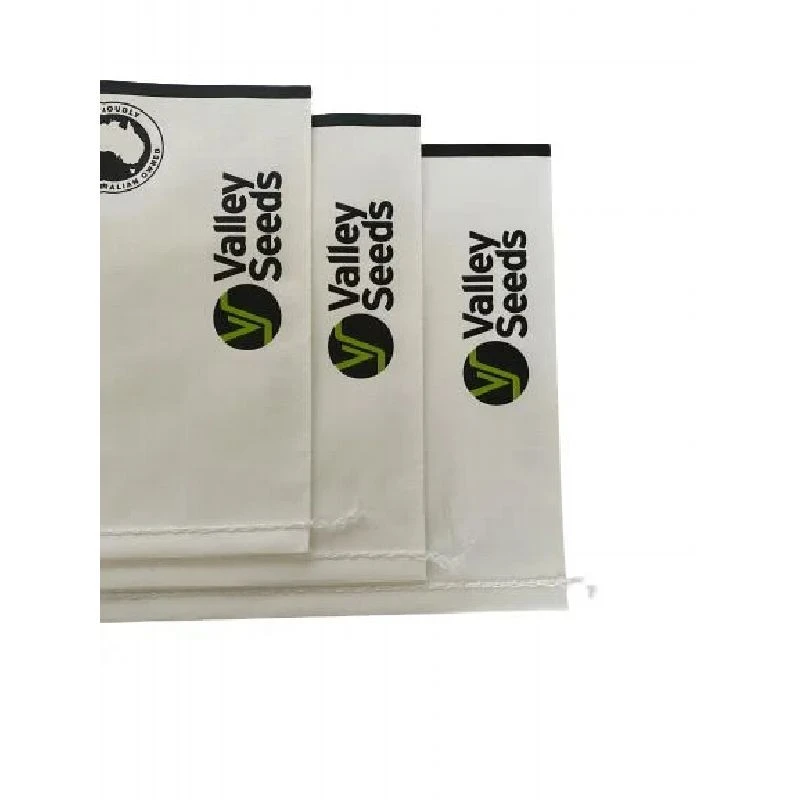
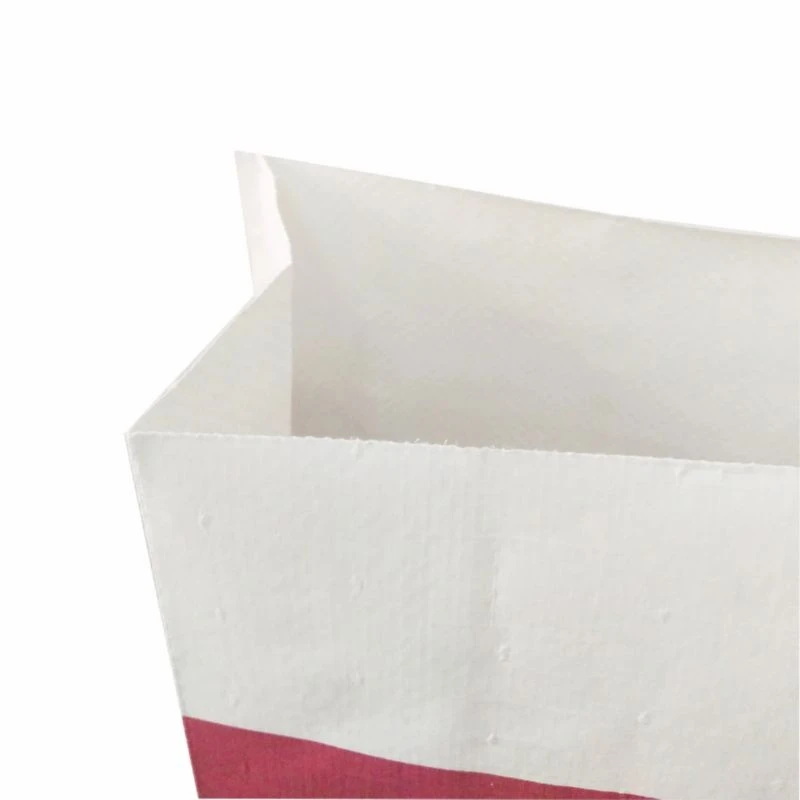
Brown Paper Fertilizer Bags
Brown paper bags are an eco - friendly alternative to plastic. Brown Paper Fertilizer Bags are biodegradable and can be recycled easily. They have a natural look that may appeal to environmentally conscious consumers. Paper bags are also breathable, which can be beneficial for certain types of fertilizers that need to "breathe" to maintain their quality. However, they are less moisture - resistant than plastic bags and may require additional protective coatings or liners.
Plant Fertilizer Bags
Specialized Plant Fertilizer Bags are designed to meet the specific needs of different types of plants. These bags may be made from materials that are optimized for the storage and release of nutrients. For example, some plant fertilizer bags are designed to slowly release nutrients over time, which can be beneficial for plants that require a steady supply of nutrients.
Design Features for Ease of Use
In addition to material selection, the design features of fertilizer packaging bags can significantly enhance user - friendliness.
Opening and Closing Mechanisms
A user - friendly fertilizer bag should have an easy - to - open and close mechanism. Traditional bags with a simple twist - tie or a heat - sealed opening may not be the most convenient. Consider using features such as resealable zippers or tear - notches. Resealable zippers allow users to open the bag, take out the required amount of fertilizer, and then close the bag securely to prevent spillage and keep the fertilizer fresh. Tear - notches provide a clean and easy way to open the bag without the need for additional tools.
Handling and Pouring
The shape and size of the packaging bag can also affect how easily it can be handled and poured. Bags with a wide base and a narrow top are more stable and easier to hold during pouring. Additionally, the presence of handles or grips on the bag can make it more comfortable to carry, especially for larger bags. Some bags may also be designed with a spout or a pour - spout attachment to make pouring the fertilizer more precise and less messy.
Labeling and Information
Clear and comprehensive labeling is essential for user - friendly fertilizer packaging. The label should include important information such as the type of fertilizer, its nutrient content, application rates, safety instructions, and expiration date. Using simple and easy - to - understand language, along with visual aids such as diagrams or pictures, can help users quickly and accurately understand the information. The label should also be prominently placed on the bag and be resistant to fading or smudging, even under different environmental conditions.
Safety Considerations
Safety is a top priority when designing fertilizer packaging bags. Fertilizers can be hazardous if not handled properly, so the packaging should be designed to minimize the risk of accidents.
Leak - Proof Design
The bag should be designed to be leak - proof to prevent the fertilizer from spilling during transportation and storage. This can be achieved through proper sealing techniques and the use of high - quality materials. For example, double - sealed seams or heat - sealed edges can provide an extra layer of protection against leaks.
Child - Resistant Features
If the fertilizer is potentially harmful to children, the packaging should include child - resistant features. This may include special closures or packaging designs that are difficult for children to open. Some bags may also have warning labels specifically targeted at parents or caregivers to remind them of the potential danger.
Environmental Considerations
In today's environmentally conscious world, designing fertilizer packaging bags with sustainability in mind is becoming increasingly important.
Recyclability and Biodegradability
As mentioned earlier, choosing materials that are recyclable or biodegradable can reduce the environmental impact of the packaging. Encouraging consumers to recycle the bags after use can also contribute to a more sustainable future. Some suppliers may offer incentives or recycling programs to promote the proper disposal of fertilizer packaging bags.
Reduction of Packaging Waste
Another way to be environmentally friendly is to reduce the amount of packaging waste. This can be achieved by using the minimum amount of packaging material necessary to protect the fertilizer while still maintaining its quality. For example, using thinner materials or optimizing the bag size can reduce the overall volume of waste generated.
Conclusion
Designing user - friendly fertilizer packaging bags requires a comprehensive approach that takes into account the needs of the end - users, material selection, design features, safety considerations, and environmental impact. By focusing on these aspects, we can create packaging solutions that not only protect the fertilizer but also enhance the user experience.
If you are in the market for high - quality, user - friendly fertilizer packaging bags, I invite you to contact us for a detailed discussion. We have a wide range of options available to meet your specific requirements, and our team of experts is ready to assist you in finding the perfect packaging solution for your fertilizers.
References
- Packaging Machinery Manufacturers Institute. (20XX). Best Practices for Fertilizer Packaging.
- International Fertilizer Association. (20XX). Guidelines for Safe and Sustainable Fertilizer Packaging.
- Agricultural Packaging Research Center. (20XX). User - Centered Design in Fertilizer Packaging.