

Hey there! As a supplier of animal feed packaging bags, I've seen firsthand how crucial it is to maintain the stability of these bags. You know, a stable bag not only keeps the feed fresh but also makes it easier to store, transport, and display. So, let's dive into how we can ensure that our animal feed packaging bags stay in tip - top shape.
Material Selection
The first step in ensuring bag stability is choosing the right materials. We need materials that are strong, durable, and can withstand the rigors of handling and storage. For instance, high - density polyethylene (HDPE) is a popular choice. It's tough, resistant to moisture, and can handle a fair amount of pressure without tearing or deforming.
Another option is polypropylene (PP). PP is lightweight yet strong, and it has excellent chemical resistance. This means it won't react with the animal feed inside, keeping the feed safe and the bag intact.
When selecting materials, we also have to think about the type of feed. Some feeds might be abrasive, like those with sharp seeds or grains. In such cases, we'd want a material with a high abrasion resistance. On the other hand, if the feed is sensitive to light, we can use materials with UV - resistant properties.
Bag Design
The design of the bag plays a huge role in its stability. First off, the shape matters. Rectangular or square bags are generally more stable than round ones because they can stand upright easily and stack well. This makes them great for storage in warehouses or on store shelves.
We also need to pay attention to the seams and closures. Strong seams are essential. Using heat - sealing or ultrasonic welding techniques can create a bond that's much stronger than traditional stitching. A well - sealed bag prevents feed from leaking out and maintains the bag's structure.
For closures, zippers, Velcro, or snap - locks can be used depending on the bag's size and the user's needs. A good closure not only keeps the feed fresh but also helps the bag keep its shape when it's opened and closed multiple times.
Reinforcement
Sometimes, we need to add extra reinforcement to the bags. For example, adding gussets to the sides of the bag can increase its capacity and also improve its stability. Gussets allow the bag to expand when filled with feed and then contract when empty, without losing its overall shape.
We can also reinforce the bottom of the bag. A double - layered or reinforced bottom can prevent the bag from sagging or bursting under the weight of the feed. This is especially important for larger bags that hold a significant amount of feed.
Quality Control
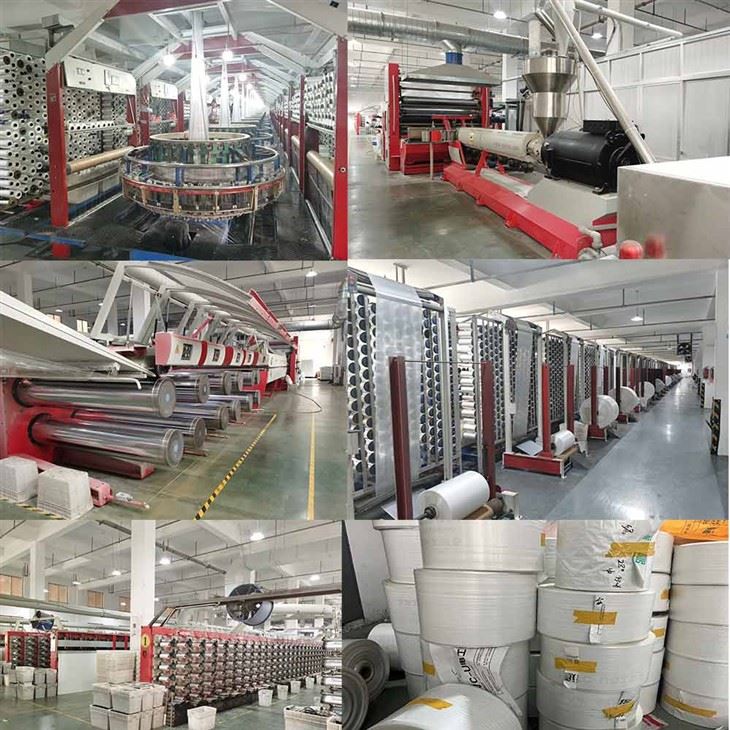
Quality control is a must - have in the process of ensuring bag stability. We conduct regular inspections at every stage of production. From checking the raw materials to inspecting the finished bags, we make sure that everything meets our standards.
We test the bags for strength, durability, and shape retention. For example, we might subject the bags to a drop test to see how they hold up under impact. We also measure the thickness of the materials and the strength of the seams to ensure they are up to par.
Storage and Handling
Even after the bags are produced, proper storage and handling are key to maintaining their shape. When storing the bags, they should be kept in a dry, cool place away from direct sunlight. Extreme temperatures and humidity can weaken the materials and cause the bags to lose their shape.
During handling, workers should be trained to handle the bags gently. Rough handling, such as dropping or throwing the bags, can damage them and lead to shape instability.
Case Studies
Let's take a look at some real - world examples. A farm that was using our Chicken Feed Bags noticed a significant improvement in the stability of their feed storage. Before, they were using flimsy bags that would often tear or collapse. But after switching to our bags made of high - quality HDPE with reinforced seams, they had no more issues with bag stability. The bags could stand upright on the shelves, and the feed stayed fresh for longer.
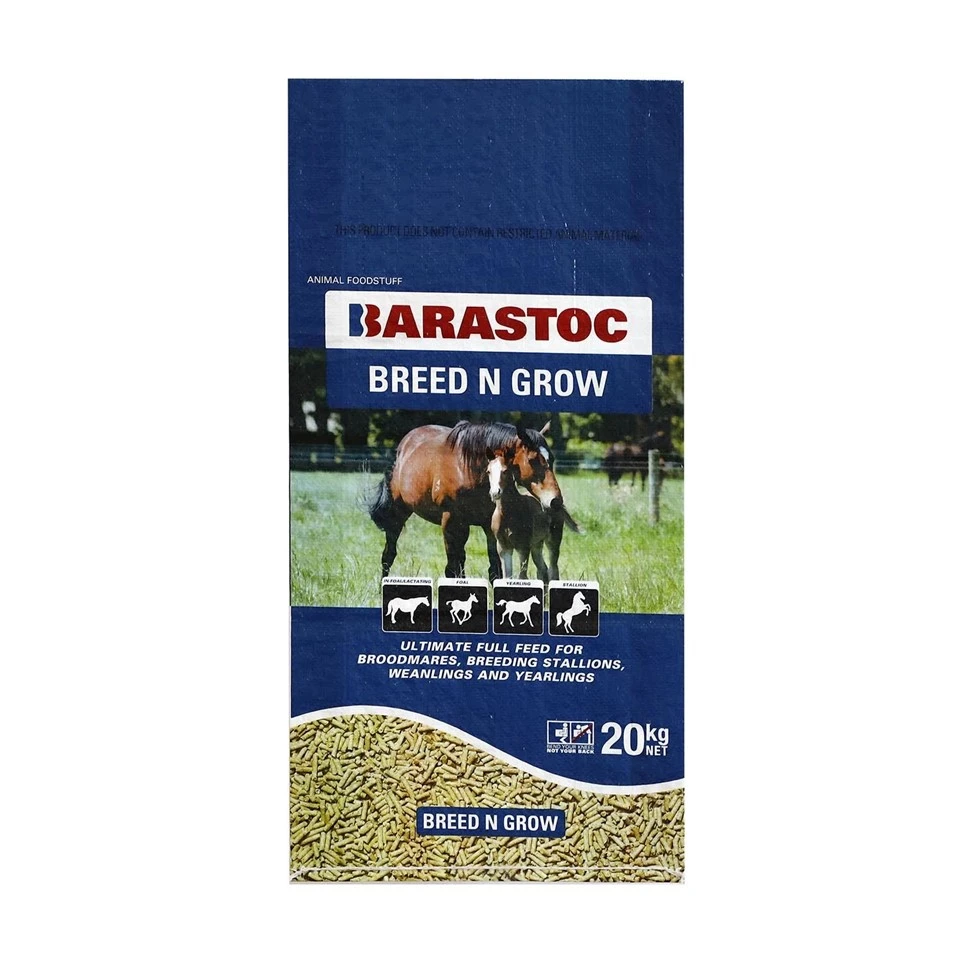
Another customer, a horse stable, ordered our Horse Feed Bag. They were impressed with the bag's design, which included gussets for better expansion and a strong zipper closure. This allowed them to easily fill and refill the bags without worrying about the shape being compromised.
Conclusion
Ensuring the stability of animal feed packaging bags is a multi - faceted process. It starts with choosing the right materials, designing the bag for maximum stability, adding reinforcements where needed, and maintaining strict quality control. Proper storage and handling also play a crucial role.
If you're in the market for high - quality, stable animal feed packaging bags, whether it's a Chicken Feed Bag or a bag for other animals, we're here to help. We can provide customized solutions based on your specific needs. Don't hesitate to reach out to us to discuss your requirements and start a procurement conversation. We're confident that our bags will meet your expectations and keep your animal feed in the best condition possible.
References
- "Plastics for Packaging: Properties, Processing, Applications" by Rosato, D.V., Rosato, D.V., & Poe, C.I.
- "Handbook of Package Engineering" by Hernandez, J., & Hernandez, A.