

Hey there! I'm a supplier of fish feed bags, and I know how crucial it is to label these bags correctly. In this blog, I'll share some tips and tricks on how to do just that.
Why Correct Labeling Matters
First off, let's talk about why correct labeling is so important. For starters, it's a legal requirement. In many places, there are strict regulations about what information must be included on animal feed bags. This is to protect consumers, ensure the safety of the animals, and maintain the integrity of the market.
Secondly, proper labeling helps build trust with your customers. When they pick up a fish feed bag, they want to know exactly what they're getting. They want to see the ingredients, the nutritional value, and any usage instructions. A well - labeled bag shows that you're a professional and that you care about the quality of your product.
What to Include on a Fish Feed Bag Label
1. Product Name and Brand
The name of the fish feed should be clear and easy to understand. It should also include your brand name. This helps customers recognize your product and builds brand loyalty over time. For example, if you have a brand called "Ocean Delight" and your fish feed is for tropical fish, the label could say "Ocean Delight Tropical Fish Feed".
2. Ingredients List
This is one of the most important parts of the label. List all the ingredients in descending order by weight. Customers want to know what goes into the feed their fish will be eating. Common ingredients in fish feed might include fish meal, soybean meal, wheat flour, vitamins, and minerals. Make sure to use the scientific names for the ingredients where possible to avoid any confusion.
3. Nutritional Information
Provide detailed nutritional information about the fish feed. This should include the percentage of protein, fat, fiber, and moisture. You can also include information about specific vitamins and minerals, such as vitamin C, calcium, and phosphorus. This helps fish owners make informed decisions about which feed is best for their fish based on their nutritional needs.
4. Feeding Instructions
Tell customers how much and how often to feed their fish. This can vary depending on the type of fish, their age, and the water temperature. For example, you might recommend feeding small amounts of feed two to three times a day for small tropical fish. Clear feeding instructions help prevent overfeeding, which can lead to water pollution and health problems for the fish.
5. Net Weight
Clearly state the net weight of the fish feed in the bag. This is important for customers to know how much product they're getting for their money. Use both metric and imperial units if possible to accommodate different markets.
6. Storage Instructions
Let customers know how to store the fish feed properly. Fish feed should be stored in a cool, dry place to prevent spoilage. You might also recommend keeping the bag sealed to maintain freshness.
7. Batch Number and Expiry Date
Include a batch number on the label. This helps you track the product in case of any quality issues. Also, clearly state the expiry date. Using expired fish feed can be harmful to the fish, so this information is crucial for the safety of the animals.
Design and Formatting of the Label
1. Readability
The label should be easy to read. Use a clear font size and style. Avoid using too many colors or fancy graphics that might make the text hard to read. The most important information, like the product name and ingredients list, should stand out.
2. Visual Appeal
While readability is key, a visually appealing label can also attract customers. You can use some simple graphics related to fish or the ocean to make the bag more eye - catching. Just make sure the graphics don't overpower the important text.

3. Durability
The label should be printed on a durable material that can withstand the conditions in which the fish feed bag will be stored and transported. It should not fade or peel easily.
Comparing with Other Animal Feed Bags
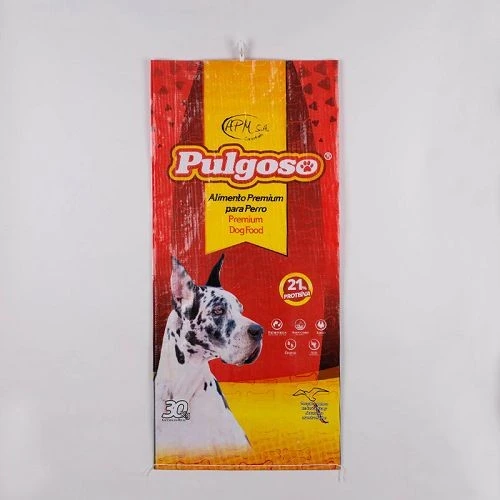
It's interesting to note how fish feed bag labeling compares to other animal feed bags. For example, Horse Feed Packaging Bag labels might need to include different types of nutritional information, as horses have different dietary requirements. Similarly, Dog Food Packaging Bag labels will focus on the needs of dogs, such as protein sources suitable for their carnivorous diet. And Weed and Feed Bag labels are completely different, as they are for plant care rather than animal nutrition.
Conclusion
Correctly labeling a fish feed bag is not just about following the rules; it's about providing value to your customers and ensuring the well - being of the fish. By including all the necessary information, using a clear and appealing design, and making sure the label is durable, you can create a high - quality product that stands out in the market.
If you're in the market for fish feed bags or have any questions about labeling, I'd love to chat. Whether you're a small fish farm or a large pet store, I can provide you with the right packaging solutions. Reach out to me to start a conversation about your specific needs.
References
- "Animal Feed Labeling Regulations Handbook"
- "Fish Nutrition and Feed Formulation"