

Food zipper bags are a staple in both households and industries, offering convenience and practicality for storing a wide range of food items. However, the issue of tearing can be a significant concern, leading to product spoilage, loss, and dissatisfaction among consumers. As a leading supplier of food zipper bags, I understand the importance of ensuring the durability and integrity of these packaging solutions. In this blog post, I will share some valuable tips on how to prevent food zipper bags from tearing, drawing on my expertise and experience in the industry.
Choose High - Quality Materials
The foundation of a tear - resistant food zipper bag lies in the quality of the materials used. At our company, we offer a variety of materials for our food zipper bags, each with its own unique properties. For instance, polyethylene (PE) is a popular choice due to its flexibility, toughness, and resistance to moisture. High - density polyethylene (HDPE) provides even greater strength and puncture resistance, making it ideal for heavier or sharper food items.
Another option is polypropylene (PP), which offers excellent clarity, stiffness, and chemical resistance. PP zipper bags are often used for products that require a high - visibility packaging solution, such as snacks and confectionery. By carefully selecting the appropriate material based on the specific requirements of the food product, you can significantly reduce the risk of tearing.
Proper Handling and Storage
How you handle and store food zipper bags can have a profound impact on their lifespan. When filling the bags, make sure to avoid overstuffing. Overloading the bag puts excessive stress on the seams and the zipper, increasing the likelihood of tearing. It is recommended to leave some headspace in the bag to allow for expansion, especially if the food is prone to swelling or generating gas during storage.
During the sealing process, ensure that the zipper is fully closed and aligned properly. A misaligned zipper can create weak points in the bag, making it more susceptible to tearing. Additionally, when handling the bags, avoid sharp objects or rough surfaces that could puncture or snag the bag. For example, be careful when using utensils near the bags, and store them in a clean, dry environment away from abrasive materials.
Reinforce Seams and Edges
One effective way to prevent tearing is to reinforce the seams and edges of the food zipper bags. This can be achieved through various techniques, such as double - seaming or adding a heat - sealed border. Double - seaming involves creating two parallel seams, which distributes the stress more evenly and provides an extra layer of protection against tearing.
Adding a heat - sealed border around the edges of the bag can also strengthen the structure. This border acts as a buffer, preventing tears from spreading and providing additional support to the overall bag. At our company, we offer customized solutions for seam and edge reinforcement to meet the specific needs of our customers.
Select the Right Zipper Type
The type of zipper used in the food zipper bag plays a crucial role in preventing tearing. There are different types of zippers available, each with its own advantages and disadvantages. For example, a plastic zipper is lightweight and cost - effective, but it may not be as strong as a metal zipper. Metal zippers, on the other hand, offer greater durability and resistance to wear and tear, making them suitable for heavy - duty applications.
In addition to the material, the design of the zipper is also important. A well - designed zipper with smooth teeth and a secure locking mechanism will reduce the risk of jams and tears. We offer a wide range of zipper options for our food zipper bags, and our experts can help you choose the most appropriate one for your product.
Consider the Product's Characteristics
The nature of the food product being packaged should also be taken into account when trying to prevent tearing. For example, if the food contains sharp or abrasive particles, such as nuts or chips, it is advisable to use a bag with a thicker material or additional protective layers.
For products that require refrigeration or freezing, make sure the bag is designed to withstand low temperatures. Cold temperatures can make the plastic more brittle, increasing the risk of tearing. Our company offers specialized food zipper bags that are suitable for a wide range of temperature conditions, ensuring the integrity of the packaging even in extreme environments.
Regular Quality Checks
Implementing a regular quality control process is essential for preventing tearing in food zipper bags. This involves inspecting the bags during the manufacturing process, as well as conducting random checks on the finished products. Look for any signs of weak seams, misaligned zippers, or other defects that could lead to tearing.
By catching these issues early on, you can take corrective actions and ensure that only high - quality bags are delivered to your customers. At our company, we have a strict quality control system in place to guarantee the reliability and durability of our food zipper bags.

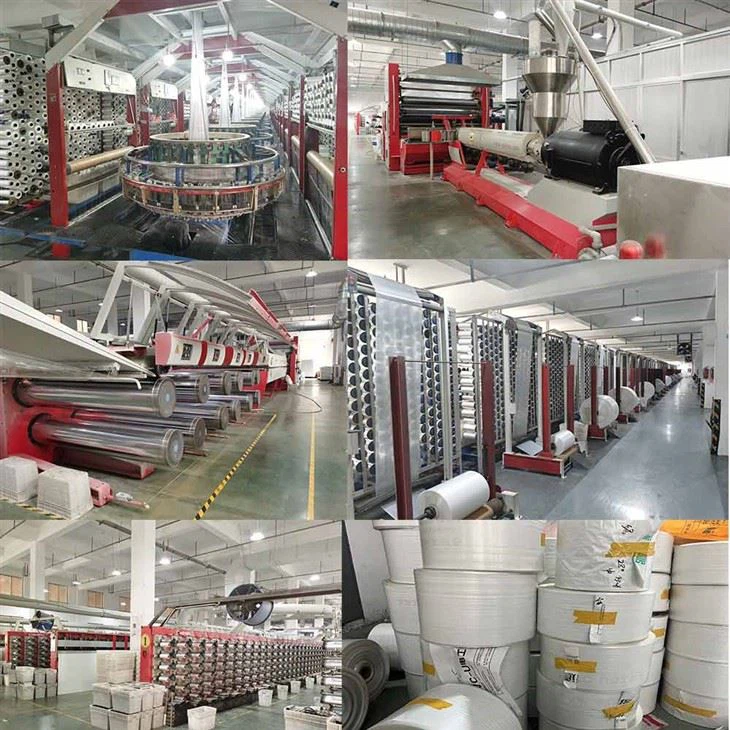
Use Appropriate Packaging Equipment
If you are using automated packaging equipment, it is important to ensure that it is properly calibrated and maintained. Incorrectly adjusted equipment can cause excessive stress on the bags, leading to tearing. Make sure the equipment is set to the correct temperature, pressure, and speed for the specific type of bag being used.
Regularly clean and lubricate the equipment to prevent the buildup of debris, which can also cause damage to the bags. Our company can provide guidance on the appropriate packaging equipment and offer support for its proper operation.
Conclusion
Preventing food zipper bags from tearing is a multi - faceted process that involves careful material selection, proper handling, reinforcement techniques, and quality control. As a supplier of food zipper bags, we are committed to providing our customers with high - quality, tear - resistant packaging solutions. Whether you need 25 Kg Rice Packaging Bags, Spout Pouch Bag, or Corn Packaging Bag, we have the expertise and resources to meet your needs.
If you are interested in learning more about our food zipper bags or have any questions regarding tear prevention, please feel free to contact us for a consultation. We look forward to working with you to provide the best packaging solutions for your food products.
References
- Packaging Machinery Manufacturers Institute. (2020). Best Practices for Packaging Equipment Maintenance.
- Smith, J. (2019). The Science of Packaging Materials. Journal of Packaging Technology, 15(3), 45 - 56.
- International Association of Food Packaging Suppliers. (2021). Guidelines for Food Packaging Durability.