

Hey there! As a supplier of Corn Packaging Bags, I've seen firsthand the struggles farmers and distributors face when it comes to protecting their corn from pests. It's a real headache, but don't worry – I've got some tips and tricks up my sleeve that can help you keep those pesky critters at bay.
Understanding the Enemy: Common Corn Pests
Before we dive into the solutions, let's take a quick look at the most common pests that target corn in packaging bags.
Weevils
Weevils are tiny beetles that love to munch on grains like corn. They can easily chew through thin packaging and lay their eggs inside the kernels. Once the eggs hatch, the larvae start feeding on the corn, causing significant damage.
Moths
Moths are another common problem. Female moths lay their eggs on the surface of the corn, and when the caterpillars hatch, they burrow into the kernels. This not only ruins the corn but can also leave behind webs and feces, making the product unappealing to consumers.
Rodents
Rodents like mice and rats are attracted to the smell of corn. They can gnaw through packaging bags to get to the food inside, and they can also contaminate the corn with their urine and feces, posing a health risk.
Choosing the Right Packaging
One of the most important steps in protecting corn from pests is choosing the right packaging. Here are some factors to consider:
Material
Opt for high - quality, thick materials that pests can't easily chew through. For example, Grain Packaging Bags made from multi - layer films offer better protection than single - layer plastic bags. These multi - layer films often have a barrier layer that can prevent pests from getting in and also protect the corn from moisture and oxygen.
Seal Quality
A good seal is crucial. Make sure the packaging has a strong, airtight seal. Zipper - top bags or heat - sealed bags are great options. A tight seal not only keeps pests out but also helps to preserve the freshness of the corn.
Size
Choose the right size of packaging for your needs. If the bag is too large, there will be extra air inside, which can increase the risk of pest infestation. On the other hand, if it's too small, the corn may be compressed, making it more vulnerable to damage.
Proper Storage Conditions
Even with the best packaging, proper storage is essential to keep pests away.

Temperature and Humidity
Pests thrive in warm and humid conditions. Store your corn packaging bags in a cool, dry place. Ideally, the temperature should be below 20°C (68°F), and the humidity should be kept below 60%. You can use a dehumidifier in the storage area to control the humidity level.
Cleanliness
Keep the storage area clean. Regularly sweep and vacuum the floors to remove any spilled corn or debris that could attract pests. Also, make sure the shelves and racks where you store the bags are clean and free of dust.
Elevation
Store the corn bags off the floor. Pests like rodents and insects can easily access bags that are placed directly on the ground. Use pallets or shelves to elevate the bags at least 6 inches (15 cm) off the floor.
Natural Pest Repellents
If you're looking for a more natural way to protect your corn, there are several pest repellents you can use.
Herbs and Spices
Some herbs and spices have natural pest - repellent properties. For example, bay leaves, cloves, and cinnamon can be placed inside the packaging bags or around the storage area. These scents can deter pests like weevils and moths.
Essential Oils
Essential oils such as peppermint, lavender, and eucalyptus can also be effective. You can soak a cotton ball in the essential oil and place it near the corn bags. However, be careful not to let the oil come into direct contact with the corn, as it may affect the taste.
Chemical Treatments
In some cases, chemical treatments may be necessary, especially if you're dealing with a severe pest infestation.
Insecticides
There are insecticides available that are specifically designed for use on stored grains. However, it's important to follow the instructions carefully and use them in a well - ventilated area. Make sure the insecticide is approved for use on food products and won't contaminate the corn.
Fumigation
Fumigation is a more extreme measure that involves using a gas to kill pests. This should only be done by professionals, as it can be dangerous if not handled properly.
Regular Inspections
Regularly inspect your corn packaging bags for signs of pest infestation. Look for holes in the bags, webbing, feces, or any other signs of pests. If you notice any problems, take immediate action. Remove the infested bags and isolate them from the rest of the stock. You may also need to clean and treat the storage area to prevent further infestations.
Working with a Reliable Supplier
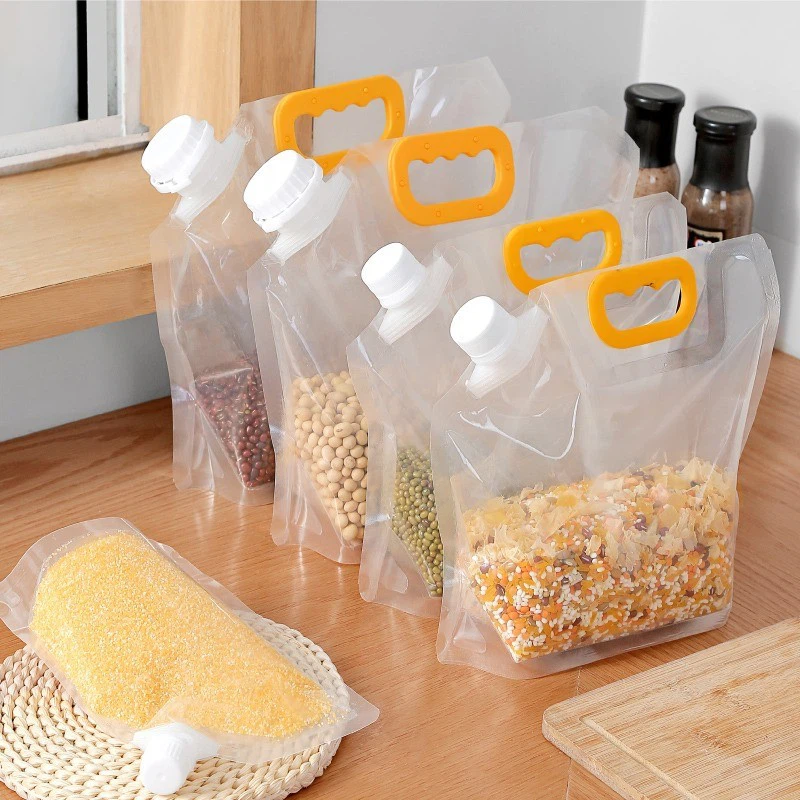
As a Corn Packaging Bag supplier, I understand the importance of providing high - quality products. We offer a wide range of packaging options, including Pet Food Packaging Bags and Spout Pouch Bag that can be customized to meet your specific needs. Our bags are designed to provide maximum protection against pests, moisture, and oxygen, ensuring that your corn stays fresh and pest - free.
If you're in the market for reliable corn packaging solutions, I encourage you to reach out to us. We can work with you to find the best packaging options for your business and provide you with all the support you need to protect your corn from pests.
Conclusion
Protecting corn in packaging bags from pests is a multi - step process that involves choosing the right packaging, maintaining proper storage conditions, using natural or chemical treatments, and conducting regular inspections. By following these tips, you can significantly reduce the risk of pest infestation and ensure that your corn remains in top - quality condition.
If you have any questions or need more information about our Corn Packaging Bags, don't hesitate to contact us. We're here to help you find the best solutions for your corn packaging needs.
References
- "Pest Management in Stored Grains" by the University of California Agriculture and Natural Resources
- "Storage and Handling of Grains" by the Food and Agriculture Organization of the United Nations