

Hey there! As a supplier of Chicken Feed Bags, I totally get the struggle of storing these bags when you're short on space. Whether you're a small - scale farmer, a backyard chicken keeper, or a feed store with limited storage, making the most of your small space is crucial. In this blog, I'll share some practical tips on how to store chicken feed bags efficiently.
1. Use Vertical Space
One of the easiest ways to store chicken feed bags in a small space is to go vertical. Instead of just laying the bags flat on the floor, stack them up. But be careful not to stack them too high, as it can be a safety hazard. You can use sturdy shelving units or pallet racks. Shelving units are great because they come in various sizes and can be adjusted to fit your space. If you're on a budget, you can even build your own simple wooden shelves.
When stacking the feed bags, start with the heavier bags at the bottom. This way, the stack will be more stable. Also, make sure to label each shelf or section so you can easily find the type of feed you need. For example, if you have different blends of chicken feed for layers, broilers, or chicks, it'll be much easier to locate them when they're clearly labeled.
2. Organize by Rotation
Proper rotation of your chicken feed bags is essential. You don't want to let older feed sit around for too long, as it can lose its nutritional value and may even become moldy. Use the "first - in, first - out" (FIFO) method. This means that the bags that you received first should be used first.
Arrange your storage so that the older bags are at the front or the top, where they're easily accessible. When you get new feed bags, place them at the back or the bottom. This way, you ensure that the feed is used in the order it was purchased, reducing waste and keeping your chickens well - fed with fresh feed.
3. Utilize Containers
If you have a really small space, you might want to consider transferring the chicken feed from the bags into containers. There are many types of containers available, such as plastic bins, metal cans, or even repurposed food containers. Make sure the containers are airtight to keep the feed fresh and prevent pests from getting in.
Plastic bins are a popular choice because they're relatively inexpensive, lightweight, and come in different sizes. You can stack them on top of each other to save space. Just make sure to label the containers clearly with the type of feed and the date it was stored. If you're using repurposed containers, give them a good clean before filling them with feed.
4. Keep the Area Clean and Dry
A clean and dry storage area is vital for keeping your chicken feed in good condition. Moisture can lead to mold growth, which is not only bad for the feed but can also make your chickens sick. Make sure the storage area is well - ventilated to prevent humidity build - up.
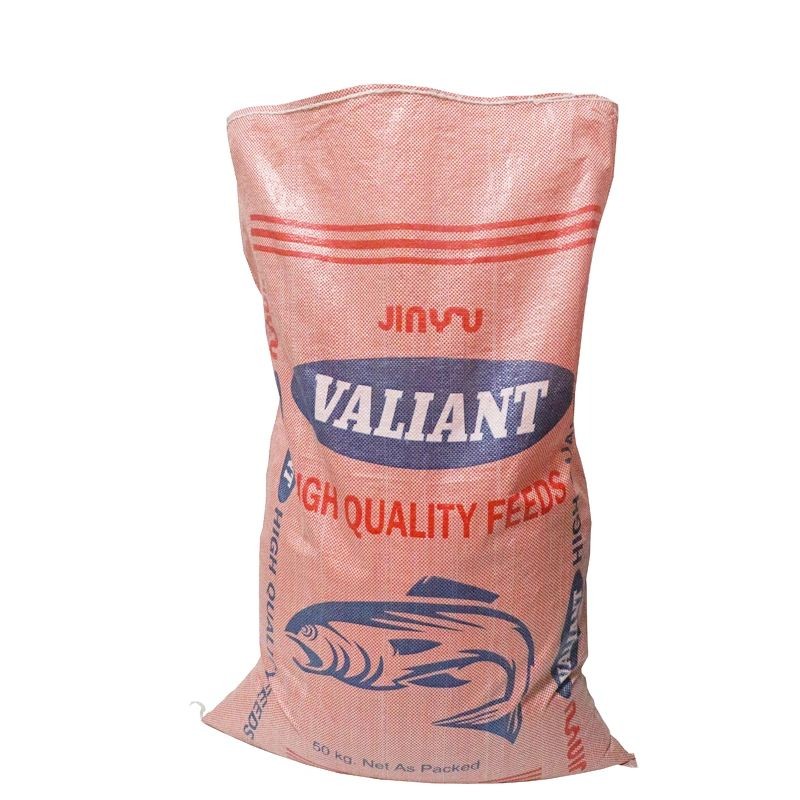

Sweep the floor regularly to remove any spilled feed, as this can attract pests like rodents and insects. You can also use a dehumidifier if the area tends to be damp. If you notice any signs of mold or pests in the storage area, take immediate action to clean it up and treat the problem.
5. Consider Alternative Storage Locations
If your primary storage space is too small, think about using alternative locations. For example, you could use an unused corner of your garage, a shed, or even under the stairs. Just make sure these areas are secure and protected from the elements.
If you're using a shed, you might need to insulate it to keep the temperature stable. And if you're storing the feed under the stairs, make sure it's out of reach of children and pets. You can also use the space under your chicken coop if it's dry and well - ventilated.
6. Stacking Techniques
When stacking chicken feed bags, there are a few techniques that can help you save space and keep the stack stable. One method is to stagger the bags. Instead of stacking them directly on top of each other, place each bag slightly offset from the one below it. This creates a more stable structure and allows you to stack the bags higher without them toppling over.
Another technique is to use the bags' shape to your advantage. Most chicken feed bags are rectangular, so you can stack them in a way that fills the available space efficiently. Try to fit the bags together like puzzle pieces, minimizing any empty gaps.
Related Feed Bags
If you're also interested in other types of animal feed bags, we've got you covered. Check out our Sheep Feed Bags, Cat Food Bags, and Fish Feed Bag. These bags are designed to keep different types of feed fresh and protected.
Conclusion
Storing chicken feed bags in a small space is definitely a challenge, but with the right strategies, it's totally doable. By using vertical space, organizing by rotation, utilizing containers, keeping the area clean and dry, considering alternative storage locations, and using proper stacking techniques, you can make the most of your limited space.
If you're looking for high - quality chicken feed bags or any of the other animal feed bags I mentioned, don't hesitate to reach out. We're here to help you find the best packaging solutions for your needs. Whether you're a small - time chicken owner or a large - scale feed distributor, we've got the products to meet your requirements. Contact us today to start a conversation about your feed bag needs.
References
- "Animal Feed Storage Best Practices" - Agricultural Extension Publications
- "Small Space Storage Solutions for Livestock Feed" - Farming Today Magazine