

Yo! As a supplier of chemical packaging bags, I often get asked about anti - static additives. You see, in the chemical industry, static electricity can be a real pain in the neck. It can cause all sorts of problems like dust attraction, product contamination, and in the worst - case scenario, even explosions. So, having the right anti - static additives in our chemical packaging bags is super important.
Let's start by understanding what anti - static additives are. These are substances that we add to the plastic materials used in making our chemical packaging bags. Their main job is to reduce or eliminate the build - up of static electricity on the surface of the bags.
One of the most common types of anti - static additives is the ionic type. These additives work by attracting moisture from the air. When the surface of the bag is a bit moist, it becomes a better conductor of electricity. So, any static charge that builds up can quickly dissipate. For example, quaternary ammonium salts are a well - known ionic anti - static additive. They're great because they're relatively easy to mix into the plastic during the manufacturing process. And they can provide long - term anti - static protection.
Another type is the non - ionic anti - static additives. These are usually based on polyols or ethoxylated amines. Non - ionic additives are less sensitive to humidity compared to ionic ones. That means they can work well even in dry environments. They work by migrating to the surface of the plastic bag over time and forming a thin, conductive layer. This layer helps to neutralize the static charge.
Now, let's talk about how these anti - static additives benefit our chemical packaging bags. First off, they improve the handling of the bags. When there's no static charge, the bags don't stick to each other or to other surfaces. This makes it easier for workers to stack, transport, and open the bags.
Secondly, they protect the chemicals inside the bags. Static electricity can attract dust and other contaminants. By using anti - static additives, we can keep the chemicals clean and free from impurities. This is especially important for high - purity chemicals.
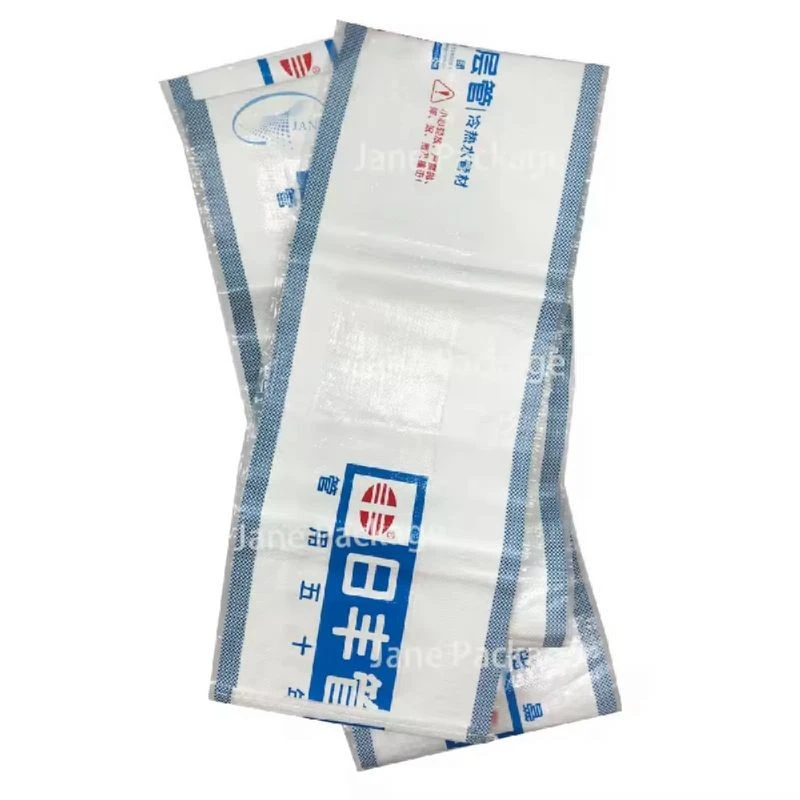

In our range of chemical packaging bags, we use these anti - static additives in different products. Take our Sand Packaging Bags. Sand can generate a lot of static electricity when it's being filled into the bags. By adding the right anti - static additives, we ensure that the sand doesn't stick to the bag's inner walls and that the filling process goes smoothly.
Our PE Heavy Packing Bags also benefit from anti - static additives. These bags are used to pack heavy - duty chemicals. The anti - static properties prevent any static - related issues during storage and transportation. It's a win - win for both us and our customers.
And then there are our PVC Pipe Packaging Bag. PVC pipes can have a static charge, which can attract dirt and debris. Our anti - static PVC pipe packaging bags keep the pipes clean and in good condition until they reach the end - user.
But it's not all roses. There are some challenges when using anti - static additives. One of the main issues is the compatibility with the plastic material. Not all additives work well with every type of plastic. We have to do a lot of testing to make sure that the additive doesn't affect the mechanical properties of the bag, like its strength and flexibility.
Another challenge is the cost. Some high - performance anti - static additives can be quite expensive. But we believe that the benefits they bring in terms of product quality and safety are worth the investment.
When it comes to choosing the right anti - static additive for our chemical packaging bags, we consider several factors. The type of chemical being packed is crucial. Some chemicals may react with certain additives, so we need to choose a non - reactive one. The environmental conditions where the bags will be used also matter. If it's a very dry environment, a non - ionic additive might be a better choice.
We also look at the regulatory requirements. There are strict rules about the use of additives in packaging for food - grade or pharmaceutical chemicals. We make sure that all our anti - static additives comply with these regulations.
In conclusion, anti - static additives are an essential part of our chemical packaging bags. They solve a lot of problems related to static electricity and help us provide high - quality packaging solutions to our customers. Whether it's our sand packaging bags, PE heavy packing bags, or PVC pipe packaging bags, the anti - static properties make a big difference.
If you're in the market for chemical packaging bags and want to learn more about our anti - static options, feel free to reach out. We're always happy to have a chat and discuss your specific needs. Let's work together to find the perfect packaging solution for your chemicals!
References
- "Plastic Additives Handbook" by Hans Zweifel
- Industry reports on chemical packaging safety and anti - static technologies