

Hey there! As a supplier of China spout bags, I often get asked about their heat resistance. So, let's dive right into it and explore what makes these spout bags stand up to the heat.
First off, let's understand why heat resistance matters. In the packaging industry, especially for food and beverage products, heat can be a real challenge. High temperatures can cause the packaging to warp, melt, or even release harmful chemicals into the product. That's why having spout bags with good heat resistance is crucial to ensure the safety and quality of the contents.
China spout bags are typically made from a combination of different materials, each playing a role in their heat resistance. One of the most common materials used is polyethylene (PE). PE is known for its excellent chemical resistance and flexibility, and it can withstand a certain amount of heat. Depending on the type of PE used, it can handle temperatures ranging from around 60°C to 120°C.
Another material often used in spout bags is polyester (PET). PET is a strong and durable plastic that has good heat resistance properties. It can withstand higher temperatures compared to PE, usually up to around 150°C. PET is also resistant to moisture and oxygen, which helps to keep the product inside the spout bag fresh for longer.
In addition to PE and PET, some spout bags may also include layers of aluminum foil. Aluminum foil provides an excellent barrier against light, oxygen, and moisture, and it can also help to improve the heat resistance of the bag. Foil-lined spout bags can handle even higher temperatures, sometimes up to 200°C or more.
The heat resistance of a spout bag also depends on its construction. For example, a bag with multiple layers of different materials will generally have better heat resistance than a single-layer bag. The thickness of the materials used also plays a role. Thicker materials can provide more insulation and protection against heat.
Now, let's talk about some of the applications where heat resistance is important for spout bags. One of the most common uses is for hot-fill products. These are products that are filled into the packaging while they are still hot, such as soups, sauces, and beverages. Spout bags with good heat resistance can withstand the high temperatures of the hot-fill process without deforming or leaking.
Another application is for products that need to be sterilized. Sterilization is a process that uses heat to kill bacteria and other microorganisms in the product. Spout bags that can withstand the high temperatures of sterilization are essential for ensuring the safety and shelf life of the product.
Spout bags are also used for products that are stored or transported in high-temperature environments. For example, pet food and snacks may be stored in warehouses or trucks where the temperature can get quite high. Spout bags with good heat resistance can prevent the product from spoiling or becoming damaged due to the heat.
As a supplier of China spout bags, we offer a wide range of options with different heat resistance levels to meet the needs of our customers. Whether you need spout bags for hot-fill products, sterilization, or high-temperature storage, we can provide you with the right solution.
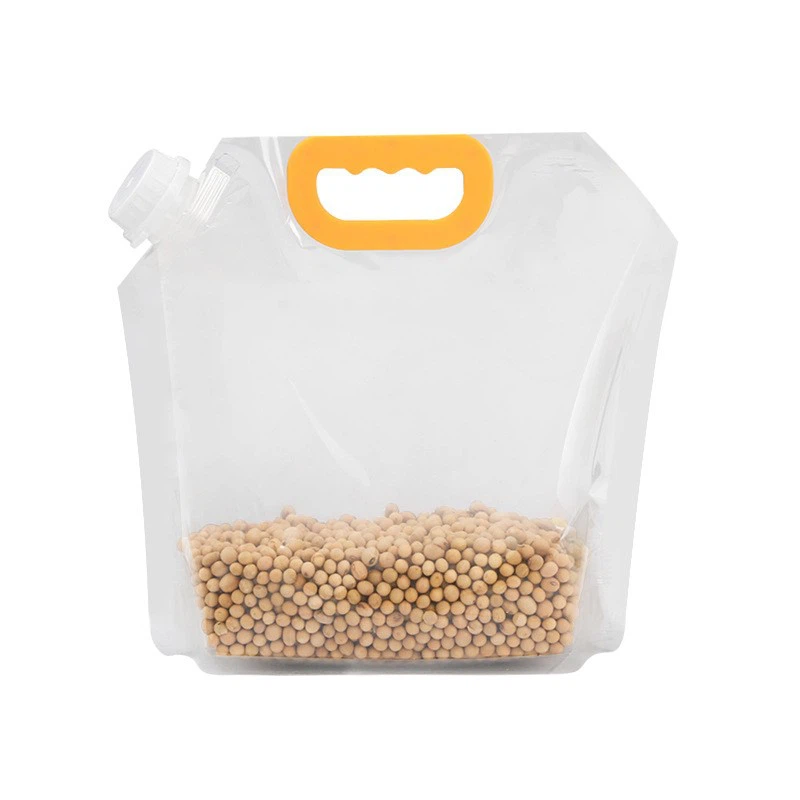

If you're interested in learning more about our Spout Pouch Bag, Pet Food Packaging Bags, or Corn Flour Bag, feel free to reach out to us. We'd be happy to discuss your specific requirements and provide you with a quote.
In conclusion, the heat resistance of China spout bags is an important factor to consider when choosing the right packaging for your products. By understanding the materials and construction of the bags, you can ensure that they can withstand the heat and protect your product. If you have any questions or need further information, don't hesitate to contact us. We're here to help you find the best spout bag solution for your business.
References
- Packaging Materials Handbook: A Concise Desktop Reference, Second Edition by Jacques Kroschwitz
- Food Packaging: Principles and Practice, Third Edition by Marilyn Martens