

Hey there! I'm a supplier of Poultry Feed Bags, and today I wanna chat about something super important in our industry: the impact of bag thickness on feed protection.
Let's start by understanding why feed protection is a big deal. Poultry feed is like fuel for our feathery friends. It needs to stay fresh, nutritious, and free from contaminants. If the feed gets spoiled or contaminated, it can lead to all sorts of problems for the poultry, like poor growth, diseases, and lower egg production. And that's bad news for farmers and the whole poultry industry.
So, how does bag thickness come into play? Well, the thickness of the bag is a key factor in determining how well it can protect the feed inside. Think of it like a shield. A thicker bag is generally going to offer better protection than a thinner one.

Physical Protection
One of the main ways bag thickness impacts feed protection is through physical protection. Poultry feed bags are often handled a lot during transportation and storage. They can get bumped, jostled, and even dropped. A thicker bag is more resistant to tears, punctures, and abrasions.
For example, if you're using a thin bag and it gets a small tear during handling, air, moisture, and pests can easily get in. This can lead to the feed going stale, developing mold, or getting infested with insects. On the other hand, a thicker bag can withstand more rough handling without getting damaged. It acts as a strong barrier, keeping the feed safe from physical harm.
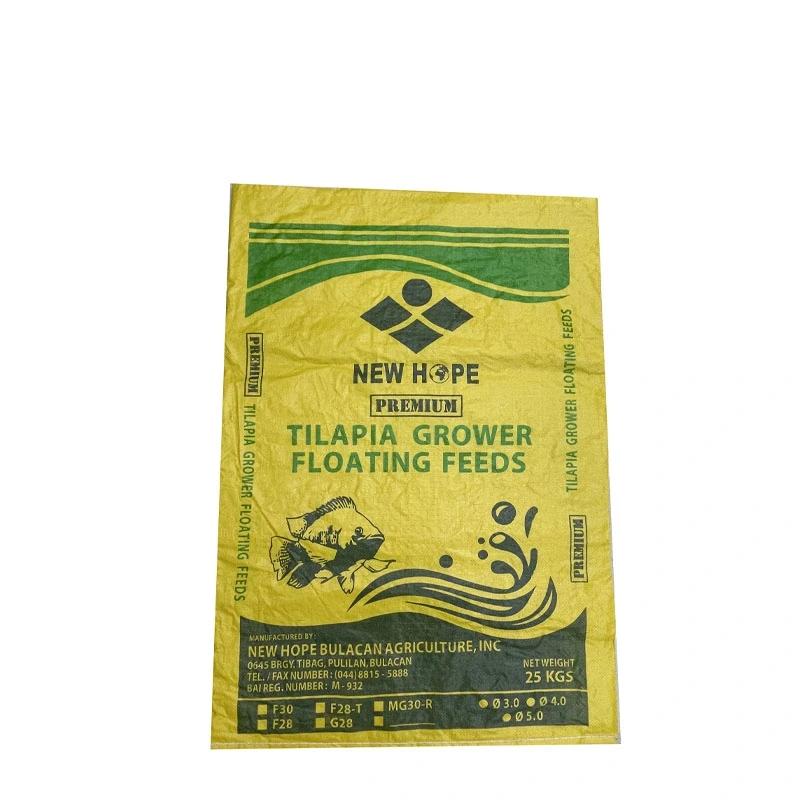
Let's say you're shipping 50 kg Fish Feed Bag to a far - off farm. The bags will go through a long journey on trucks, maybe even trains. A thicker bag will ensure that the feed remains intact and protected throughout the journey.
Moisture Resistance
Moisture is another big enemy of poultry feed. If the feed absorbs too much moisture, it can clump together, which makes it difficult for the poultry to eat. It can also promote the growth of mold and bacteria. A thicker bag can provide better moisture resistance.
Thicker materials usually have a lower permeability to water vapor. This means that less moisture can seep into the bag from the outside environment. For instance, in a humid climate, a thin bag might let in enough moisture to make the feed damp within a few days. But a thicker bag can keep the feed dry for a much longer time.
When you're storing Bulk Pig Feed Bags in a barn, the humidity levels can vary. A thicker bag will help maintain the right moisture content of the feed, ensuring its quality over time.
Oxygen Barrier
Oxygen can also have a negative impact on poultry feed. It can cause the fats in the feed to oxidize, which leads to a rancid smell and taste. Oxidized feed is not only unappetizing to the poultry but can also be harmful to their health.
A thicker bag can act as a better oxygen barrier. Thicker plastics or laminates used in the bags have a lower oxygen transmission rate. This means that less oxygen can get into the bag and react with the feed. By reducing the amount of oxygen exposure, the shelf - life of the feed can be extended.
Imagine you're supplying Weed and Feed Bag to a large - scale farm. They need the feed to stay fresh for a few weeks. A thicker bag will help keep the oxygen out and preserve the quality of the feed.
Cost - Benefit Analysis
Now, I know what you're thinking. Thicker bags probably cost more, right? Well, that's true to some extent. But when you consider the long - term benefits, it's often worth the extra cost.
Yes, a thicker bag might have a higher upfront cost. But think about the savings in terms of reduced feed spoilage. If you're using thin bags and a significant portion of your feed gets wasted due to damage, moisture, or oxidation, you're actually losing money in the long run.
For a farmer, the cost of replacing spoiled feed can be quite high. And then there's the cost of potential health issues in the poultry due to poor - quality feed. By investing in thicker bags, you can minimize these risks and save money in the long term.
Choosing the Right Thickness
So, how do you choose the right thickness for your poultry feed bags? Well, it depends on a few factors.
First, consider the type of feed. Some feeds are more sensitive to moisture, oxygen, and physical damage than others. For example, feeds with a high fat content are more prone to oxidation and might require a thicker bag with a better oxygen barrier.
Second, think about the storage and transportation conditions. If the feed is going to be stored in a humid environment or transported over long distances with rough handling, a thicker bag is a must.
Finally, look at your budget. While thicker bags offer better protection, you also need to make sure it fits within your financial constraints. There's usually a sweet spot where you can get good protection without breaking the bank.
Conclusion
In conclusion, the thickness of poultry feed bags has a huge impact on feed protection. A thicker bag provides better physical protection, moisture resistance, and oxygen barrier. It can help keep the feed fresh, nutritious, and free from contaminants.
If you're in the market for high - quality poultry feed bags, don't just focus on the price. Think about the long - term benefits of using thicker bags. It can save you money in the long run and ensure the health and productivity of your poultry.
If you're interested in discussing your specific needs for poultry feed bags or any other animal feed packaging, I'd love to have a chat. Just reach out, and we can start a conversation about finding the perfect solution for you.
References
- "Packaging Technology for Food Products" by Yam, K. L.
- "Handbook of Food Packaging" edited by Han, J. H.