

Hey there! As a supplier of chemical packaging bags, I often get asked about the impact resistance of these bags. It's a super important factor, especially when you're dealing with chemicals that need to be transported and stored safely. So, let's dive right into what impact resistance means for chemical packaging bags.
What is Impact Resistance?
First off, impact resistance refers to a bag's ability to withstand sudden forces or shocks without breaking or leaking. Think about it like this: when you're shipping chemicals, they're going to go through a lot of handling. They might get dropped, bumped, or jostled around during transit. If the packaging bags don't have good impact resistance, there's a high risk of the chemicals spilling out, which can be extremely dangerous.
Why is Impact Resistance Crucial for Chemical Packaging Bags?
Safety is the number one reason. Chemicals can be hazardous, and any spill can lead to environmental pollution, health risks for workers, and even legal issues. For example, if a bag containing corrosive chemicals bursts due to a minor impact, it can damage the surrounding area and harm anyone nearby.
Secondly, it helps in maintaining the integrity of the product. Some chemicals are very sensitive to external factors, and a breach in the packaging can cause them to react with the environment or other substances, altering their quality and effectiveness.
Factors Affecting Impact Resistance
There are several factors that can influence how well a chemical packaging bag resists impacts.
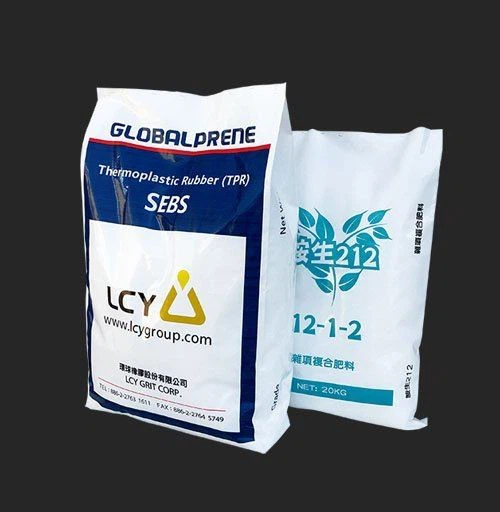
Material Quality: The type of material used in making the bag is crucial. For instance, high - density polyethylene (HDPE) is known for its excellent impact resistance. It's strong and durable, which makes it a popular choice for chemical packaging. On the other hand, lower - quality plastics might not be able to handle impacts as well. We offer PE Heavy Packing Bags that are made from high - quality polyethylene, ensuring good impact resistance.
Thickness: Generally, thicker bags tend to have better impact resistance. A thicker layer of material can absorb more force before it gives way. However, it's a balance because making the bag too thick can also increase costs and make it less flexible.
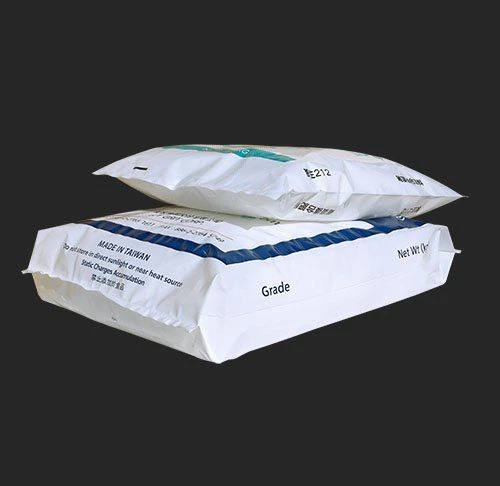
Design and Construction: The way the bag is designed and constructed also matters. Bags with reinforced seams or additional layers in high - stress areas are more likely to withstand impacts. For example, some of our Cement Packaging Bags have special stitching and reinforcement techniques to handle the weight and potential impacts during transportation.
Environmental Conditions: Temperature and humidity can affect a bag's impact resistance. In cold temperatures, plastics can become more brittle, making them more prone to cracking on impact. On the other hand, high humidity can weaken some materials over time.
Testing Impact Resistance
To ensure that our chemical packaging bags meet the required standards, we conduct various tests. One common test is the drop test. We fill the bags with a representative load and drop them from a certain height onto a hard surface multiple times. If the bag doesn't break or leak, it passes the test.
Another test is the puncture resistance test. We use a pointed object to apply pressure on the bag until it punctures. This helps us determine how well the bag can resist sharp objects during handling.
Applications and Impact Resistance Requirements
Different chemicals and applications have different impact resistance requirements.
For industrial chemicals that are shipped in large quantities, high - impact resistance is a must. These chemicals are often transported over long distances and might be handled by heavy machinery. Our PVC Pipe Packaging Bag is designed to protect chemicals used in the PVC pipe manufacturing process, which require a good level of impact resistance during storage and transportation.
For smaller, consumer - grade chemical products, the impact resistance requirements might be a bit lower, but still important. These products are usually handled more carefully, but they can still be dropped or bumped during normal use.
Our Commitment as a Supplier
As a chemical packaging bag supplier, we're committed to providing bags with the best possible impact resistance. We source the highest - quality materials and use advanced manufacturing techniques to ensure that our bags can handle whatever comes their way.
We also stay up - to - date with the latest industry standards and regulations regarding impact resistance. This way, we can guarantee that our customers are getting safe and reliable packaging solutions.
Conclusion
Impact resistance is a vital characteristic of chemical packaging bags. It ensures the safety of people, the environment, and the integrity of the chemicals being transported and stored. At our company, we understand the importance of this factor and work hard to provide high - quality bags that meet the needs of our customers.
If you're in the market for chemical packaging bags and want to learn more about our products and their impact resistance, don't hesitate to reach out. We're here to help you find the perfect packaging solution for your specific requirements. Let's start a conversation about your chemical packaging needs and see how we can work together!
References
- Packaging World Magazine, various issues on chemical packaging.
- American Chemistry Council's guidelines on chemical packaging safety.