

Hey there! I'm a supplier of Kraft Paper Bags, and today I wanna take you through the manufacturing process of these super - useful bags.
The Raw Materials
First things first, let's talk about the raw materials. Kraft paper is the star of the show here. It's made from wood pulp, usually sourced from softwood trees like pine or spruce. These trees are great because they have long fibers, which give the kraft paper its strength and durability.
The process starts at the forest. Logs are harvested and transported to a pulp mill. At the mill, the logs are debarked and chipped into small pieces. These chips are then cooked in a chemical solution, usually a mixture of sodium hydroxide and sodium sulfide in a process called the kraft process. This cooking breaks down the lignin, which binds the wood fibers together, and separates the fibers.
The resulting pulp is then washed to remove the chemicals and other impurities. After that, it goes through a series of refining steps to make the fibers more flexible and better able to bond together. This refined pulp is what we use to make kraft paper.
Making the Kraft Paper
Once we have the pulp, it's time to turn it into paper. The pulp is mixed with water to form a slurry, which is then fed onto a large, moving wire screen in a paper - making machine. As the slurry moves along the screen, the water drains away, and the fibers start to bond together.
Next, the wet paper web passes through a series of press rolls, which squeeze out more water and further compact the fibers. After that, it goes through a drying section, where hot air or steam is used to evaporate the remaining water. The dried paper is then wound onto large reels.
Before we can use the paper to make bags, it might go through some additional treatments. For example, we can add a coating to make the paper more water - resistant or print a design on it.
Cutting and Printing
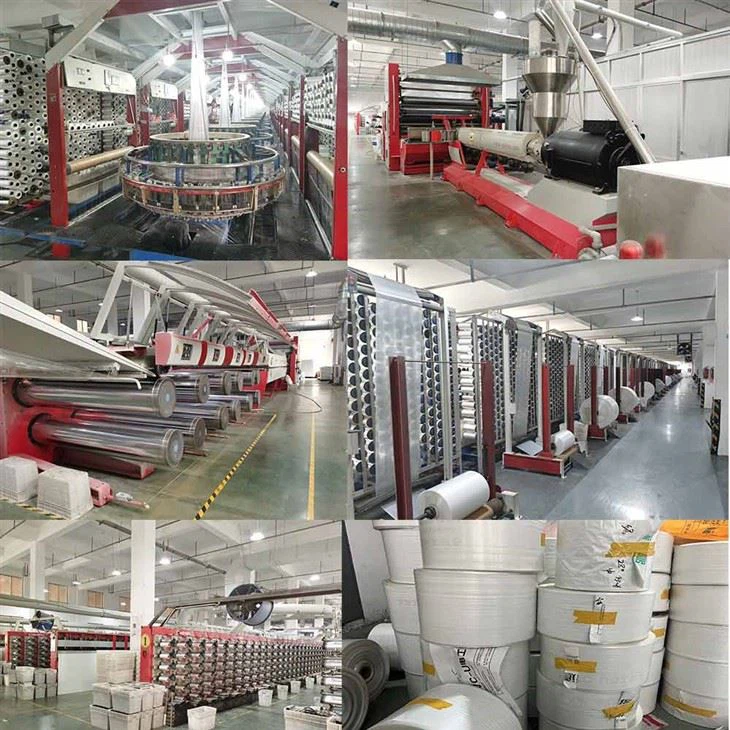
Now that we have the kraft paper, we can start making bags. The first step is to cut the paper into the right size and shape. We use large cutting machines that can precisely cut the paper according to our specifications.
Printing is also an important step. We can print all sorts of things on the bags, like logos, product information, or decorative designs. There are different printing methods we can use. One common method is flexographic printing. In this method, a flexible printing plate with the desired design is inked and then pressed against the paper to transfer the ink.
Another option is digital printing. Digital printing is great because it allows for high - quality, detailed prints, and it's also more cost - effective for small - quantity orders.
Bag Formation
After cutting and printing, it's time to form the bags. There are different types of kraft paper bags, such as flat bags, gusseted bags, and square - bottom bags, and each type has its own formation process.
For flat bags, the paper is folded and then the edges are sealed. We usually use heat sealing or adhesive to seal the edges. Heat sealing is a quick and efficient method where heat is applied to the edges of the paper to melt the fibers and bond them together.
Gusseted bags have extra folds on the sides to give them more capacity. To make gusseted bags, we first create the gussets by folding the paper in a specific way. Then, we seal the edges just like we do for flat bags.
Square - bottom bags are a bit more complex. They have a flat, square bottom, which gives them stability when standing. To make square - bottom bags, we need to create a special fold at the bottom and then seal it properly.
Quality Control
Throughout the manufacturing process, we have strict quality control measures in place. We check the raw materials to make sure they meet our standards. For example, we test the strength and thickness of the kraft paper.
During the bag - making process, we inspect the bags at different stages. We check for things like proper sealing, accurate printing, and the right size and shape. Any bags that don't meet our quality standards are rejected.
Applications of Kraft Paper Bags
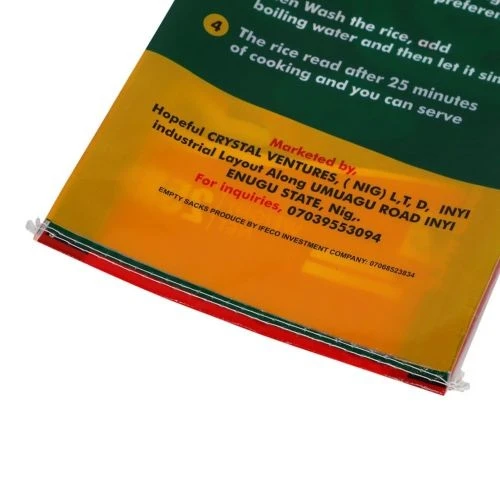
Kraft paper bags are incredibly versatile. They can be used for all sorts of things. For example, 25 Kg Rice Packaging Bags are often made from kraft paper because it can handle the weight of the rice and also provides a natural look.
Pet food manufacturers also like to use kraft paper bags. Pet Food Packaging Bags made from kraft paper are not only strong but also can be printed with eye - catching designs to attract customers.
And if you're in the business of selling corn, Corn Packaging Bag made from kraft paper are a great option. They can keep the corn fresh and are easy to handle.
Why Choose Our Kraft Paper Bags
We take pride in our kraft paper bags. Our bags are made from high - quality kraft paper, which means they're strong, durable, and eco - friendly. We also offer a wide range of customization options. Whether you need a specific size, shape, or print design, we can make it happen.
Our manufacturing process is efficient, which allows us to offer competitive prices. And our strict quality control ensures that you'll get the best - quality bags every time.
If you're interested in purchasing kraft paper bags for your business, we'd love to hear from you. Just reach out to us, and we can start a conversation about your specific needs. We're here to provide you with the best packaging solutions and excellent customer service.
References
- "Handbook of Pulp and Paper Technology"
- "Paper and Board Packaging Technology"
So, that's the manufacturing process of kraft paper bags in a nutshell. If you have any questions or want to learn more, feel free to get in touch. We're always happy to help!