

Hey there! As a supplier of cattle feed bags, I've seen firsthand the importance of these bags in the livestock industry. In this blog, I'll share with you what makes cattle feed bags so strong and why they're a crucial part of your cattle - feeding operation.
The Basics of Cattle Feed Bags
First off, let's talk about what cattle feed bags are. They're specially designed containers that hold the feed your cows munch on every day. These bags come in different sizes, shapes, and materials, all tailored to protect the feed and make it easy to store and transport.
Material Strength
One of the key factors contributing to the strength of cattle feed bags is the material they're made from. Most cattle feed bags are crafted from high - density polyethylene (HDPE) or woven polypropylene.
HDPE is a thermoplastic polymer known for its excellent strength - to - density ratio. It's tough, resistant to moisture, and can withstand a fair amount of wear and tear. This means that even if the bags are jostled around during transportation or stored in less - than - ideal conditions, they'll still keep the feed inside safe and dry.
Woven polypropylene is another popular choice. It's a lightweight yet strong material that provides good puncture resistance. The woven structure gives the bag extra durability, making it less likely to tear or rip when handling. This is super important when you're moving heavy bags of feed around the farm or stacking them in a storage area.
Structural Design
The design of cattle feed bags also plays a huge role in their strength. Most bags are made with a gusseted design. This means that the sides of the bag can expand, allowing it to hold more feed without bursting at the seams. The gussets give the bag a three - dimensional shape, which distributes the weight of the feed evenly across the bag.
Another design feature is the reinforced seams. These seams are often double - stitched or heat - sealed to ensure they can handle the stress of being filled with heavy feed. Whether you're using small 25 - kg bags or large 50 - kg bags, the reinforced seams prevent the feed from leaking out and keep the bag intact.
UV Resistance
Outdoor storage is common for cattle feed bags, which means they're exposed to sunlight for long periods. Ultraviolet (UV) rays can break down the materials of the bags over time, making them brittle and more likely to tear. That's why many cattle feed bags are treated with UV stabilizers.
These stabilizers help protect the bag from the harmful effects of the sun, ensuring that it maintains its strength and integrity even after months of outdoor exposure. This is especially important in regions with a lot of sunshine, where the UV rays are more intense.
Resistance to Pests and Microorganisms
Cattle feed is a prime target for pests like rodents and insects, as well as microorganisms like mold and bacteria. A strong cattle feed bag acts as a barrier against these threats. The tight - fitting closures on the bags prevent pests from getting inside and contaminating the feed.
Additionally, some bags are treated with antimicrobial agents to inhibit the growth of mold and bacteria. This not only keeps the feed fresh but also ensures that the bag itself doesn't weaken due to microbial damage.
Compatibility with Different Feeds
Cattle feed comes in various forms, such as pellets, grains, and mixes. A good cattle feed bag needs to be able to handle all these different types of feed. The bags are designed to prevent the feed from sifting out through small holes or gaps.
For example, if you're using a bag for pelletized feed, it should be able to hold the pellets securely without allowing them to spill. Similarly, for grain - based feeds, the bag should be able to contain the fine particles and prevent them from escaping. This shows the versatility and strength of cattle feed bags in accommodating different feed types.
Comparing with Other Feed Bags
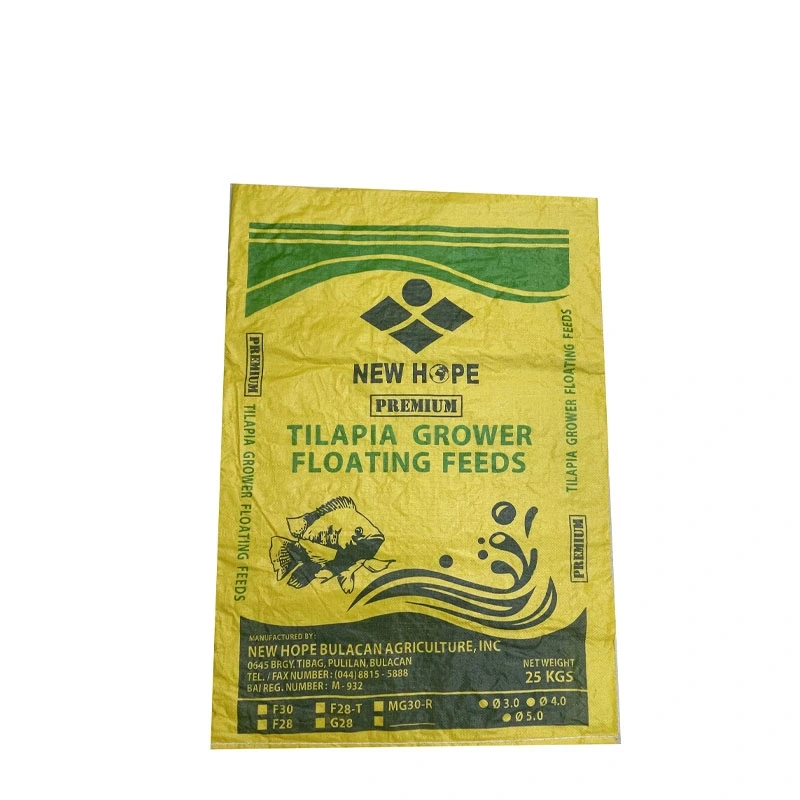
It's interesting to compare cattle feed bags with other types of feed bags, like Pig Feed Bags, Weed and Feed Bag, and 50 kg Fish Feed Bag.
While all these bags share some similarities in terms of basic functionality, cattle feed bags are often designed to be more robust. Cattle consume a large amount of feed, so the bags need to be able to hold bigger quantities. Also, the handling and storage conditions for cattle feed are sometimes more demanding, which requires a stronger bag.
Importance in the Supply Chain
In the supply chain of cattle feed, the strength of the bags is crucial. From the manufacturer to the distributor and finally to the farmer, the bags need to withstand multiple handling processes. They're loaded onto trucks, unloaded at warehouses, and then transported to farms.
A strong bag ensures that the feed arrives at its destination in good condition. This reduces waste and ensures that the farmer gets the full value of the feed they've purchased. It also helps maintain the quality of the feed, which is essential for the health and growth of the cattle.
How to Choose the Right Cattle Feed Bags
When choosing cattle feed bags, you need to consider several factors. First, think about the size of the bags. You'll want to choose a size that's appropriate for your storage space and the amount of feed you use.
Next, look at the material and its strength characteristics. If you're storing the bags outdoors, make sure they have good UV resistance. Also, consider the type of feed you'll be using and choose a bag that's compatible with it.
Contact for Purchase
If you're in the market for high - quality cattle feed bags, I'd love to talk to you. Whether you're a small - scale farmer or a large - scale distributor, I can provide you with the right bags to meet your needs. Just reach out, and we can discuss the details of your order. Let's work together to ensure your cattle feed is stored and transported safely and efficiently.

References
- "Packaging Materials for Animal Feeds" - Journal of Livestock Packaging Science
- "The Impact of UV Radiation on Plastic Feed Bags" - International Journal of Agricultural Packaging
- "Design Considerations for Strong Feed Bags" - Agricultural Packaging Review