

As a dedicated supplier of sheep feed bags, I've witnessed firsthand the critical role that the stitching of these bags plays in the overall quality and functionality of the product. In this blog post, I'll delve into the strength of the stitching on sheep feed bags, exploring its importance, the factors that contribute to it, and how it impacts the storage and transportation of sheep feed.

The Importance of Stitching Strength
The stitching on sheep feed bags serves as a crucial barrier, ensuring that the feed remains securely contained within the bag. A strong stitch prevents spillage, which not only saves valuable feed but also maintains a clean and safe environment. Spilled feed can attract pests, lead to waste, and potentially contaminate the surrounding area. Moreover, a well - stitched bag can withstand the rigors of handling, storage, and transportation. Whether it's being stacked in a warehouse or jostled during transit, the stitching must hold up to keep the feed intact.
Factors Affecting Stitching Strength
Thread Quality
The quality of the thread used in stitching is a fundamental factor. High - quality threads are typically made from materials such as polyester or nylon. Polyester threads are known for their excellent strength, resistance to abrasion, and UV stability. Nylon threads, on the other hand, offer high tensile strength and flexibility. These materials can withstand the stress and strain that the bags may encounter during their lifecycle.
Stitch Type
The type of stitch employed also significantly impacts the strength. Lockstitch is a common choice for sheep feed bags. It creates a secure, interlocking pattern that holds the fabric layers together tightly. Chain stitch is another option; it is relatively easy to sew and can provide a good level of strength, although it may be more prone to unraveling compared to lockstitch. Double - chain stitch combines the advantages of both chain stitch and additional reinforcement, offering enhanced strength and durability.
Stitch Density
Stitch density refers to the number of stitches per unit length. A higher stitch density generally means greater strength. When the stitches are closer together, the stress is distributed more evenly across the fabric, reducing the likelihood of the thread breaking under tension. However, there is a balance to strike, as overly high stitch density can also cause the fabric to pucker or weaken in some cases.
Impact on Storage and Transportation
Storage
During storage, sheep feed bags are often stacked for extended periods. The stitching strength is essential to prevent the bags from bursting under the weight of the upper layers. A strong stitch ensures that the bags can maintain their integrity, protecting the feed from moisture, pests, and other environmental factors. For example, if the stitching weakens over time due to poor quality or improper stitching, the bag may start to leak, allowing moisture to seep in and spoil the feed.
Transportation
Transportation exposes the bags to various forces, including vibrations, impacts, and sudden movements. A bag with strong stitching can endure these conditions without tearing or splitting. This is especially important when the feed is being transported over long distances or on rough roads. If the stitching fails during transit, it can lead to significant losses and delays in the supply chain.
Related Products
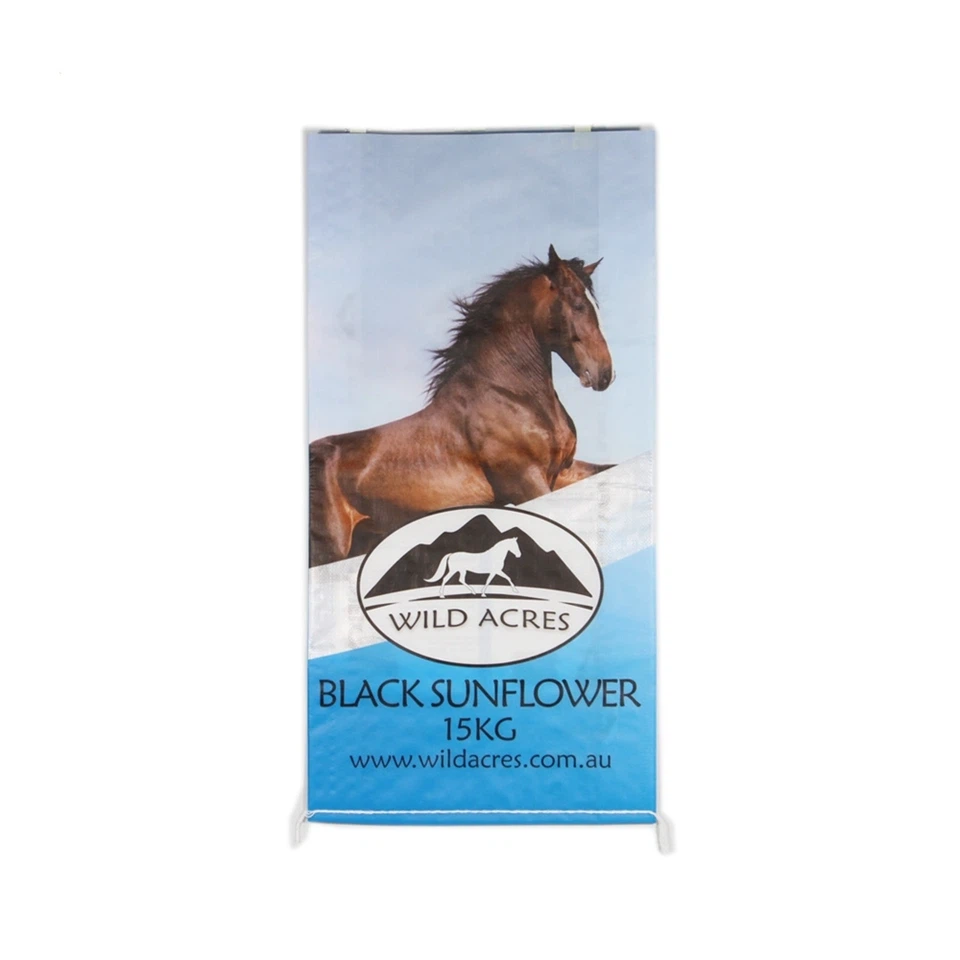
If you're also interested in other types of animal feed packaging, we offer a range of options. Check out our Horse Feed Packaging Bag, Weed and Feed Bag, and 50 kg Fish Feed Bag. These products are designed with the same attention to detail and quality as our sheep feed bags.
Conclusion
The strength of the stitching on sheep feed bags is a multifaceted aspect that directly affects the quality, safety, and efficiency of the feed supply chain. As a supplier, we take great pride in ensuring that our bags are stitched to the highest standards. By carefully selecting the thread material, stitch type, and stitch density, we can provide bags that offer reliable performance throughout their lifecycle.
If you're in the market for high - quality sheep feed bags or any of our other animal feed packaging solutions, we'd love to hear from you. Reach out to us to discuss your specific requirements and start a partnership that will ensure the best packaging for your animal feed.
References
- "Packaging Technology for Food Products" by John M. Barry
- "Handbook of Plastic Films" edited by Sachin S. Deshmukh
- Industry reports on animal feed packaging trends and standards