

The tear resistance of chemical packaging bags is a critical property that directly impacts their performance and suitability for various applications. As a leading supplier of chemical packaging bags, we understand the significance of this characteristic and its implications for our customers. In this blog post, we will delve into what tear resistance is, why it matters, and how it is measured in the context of chemical packaging bags.
Understanding Tear Resistance
Tear resistance refers to a material's ability to withstand the propagation of a tear once it has been initiated. In the case of chemical packaging bags, it is the capacity of the bag material to resist tearing when subjected to external forces such as sharp objects, rough handling, or pressure during transportation and storage. A bag with high tear resistance is less likely to develop tears or punctures, which helps to maintain the integrity of the package and prevent the leakage of its contents.
The tear resistance of a chemical packaging bag is influenced by several factors, including the type of material used, its thickness, and the manufacturing process. Different materials have varying levels of inherent tear resistance. For example, polyethylene (PE) is a commonly used material for chemical packaging bags due to its good tear resistance, flexibility, and chemical resistance. However, the specific tear resistance of a PE bag can vary depending on its density and molecular structure. High-density polyethylene (HDPE) generally has higher tear resistance than low-density polyethylene (LDPE) because of its more compact molecular arrangement.
The thickness of the bag material also plays a crucial role in determining its tear resistance. Thicker materials typically have higher tear resistance as they can better absorb and distribute the forces applied to them. However, increasing the thickness of the bag also increases its cost and weight, so a balance must be struck between tear resistance and other factors such as cost, flexibility, and environmental impact.
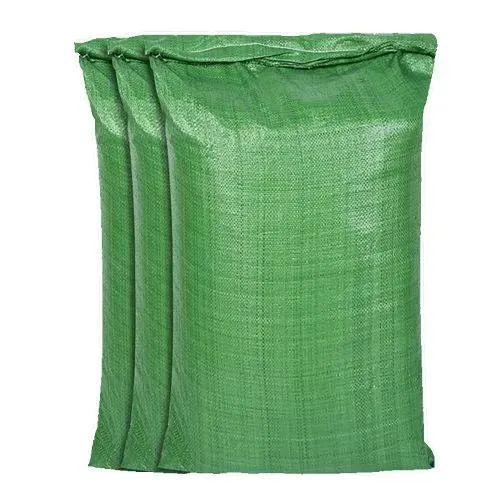
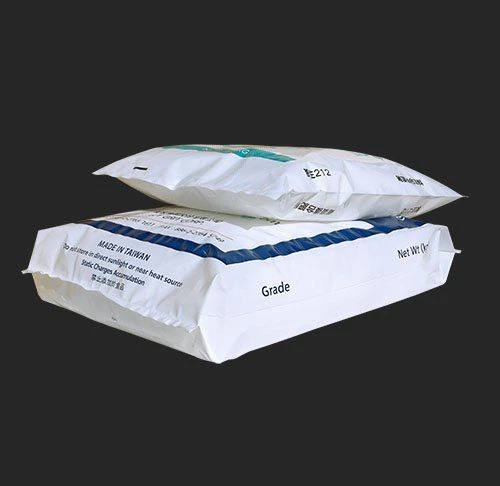
The manufacturing process can also affect the tear resistance of chemical packaging bags. For instance, bags that are produced using extrusion or blown film processes may have different tear resistance properties compared to those made by other methods. The orientation of the polymer molecules during the manufacturing process can influence the bag's strength and tear resistance in different directions. Bags with a more uniform molecular orientation tend to have better tear resistance.
Why Tear Resistance Matters in Chemical Packaging
Tear resistance is of utmost importance in chemical packaging for several reasons. Firstly, it ensures the safety of the chemical products being transported and stored. Chemicals can be hazardous, and any leakage due to a torn bag can pose a significant risk to human health and the environment. For example, corrosive chemicals can cause burns and damage to equipment and infrastructure, while toxic chemicals can contaminate the surrounding area and harm living organisms. A bag with high tear resistance reduces the likelihood of such incidents occurring.
Secondly, tear resistance helps to maintain the quality of the chemical products. Many chemicals are sensitive to air, moisture, and light, and a torn bag can expose them to these elements, leading to degradation and loss of their effectiveness. For example, some fertilizers can lose their nutrient content if they are exposed to moisture due to a torn bag, reducing their value and performance.
Thirdly, tear resistance affects the efficiency of the supply chain. Bags that are prone to tearing can cause delays and disruptions in the transportation and handling processes. Torn bags may need to be replaced, which can increase costs and waste. Moreover, the handling of torn bags can be more difficult and time-consuming, reducing the overall productivity of the supply chain.
Measuring Tear Resistance
There are several methods available for measuring the tear resistance of chemical packaging bags. One of the most commonly used methods is the Elmendorf tear test. In this test, a specimen of the bag material is clamped in a tester, and a pendulum is used to tear the specimen from a pre-cut slit. The energy required to tear the specimen is measured, and this value is used to calculate the tear resistance of the material. The Elmendorf tear test provides a relative measure of tear resistance and is widely used in the packaging industry.
Another method is the trouser tear test. In this test, a specimen of the bag material is cut in the shape of a trouser, and the two legs of the trouser are pulled apart at a constant rate. The force required to propagate the tear is measured, and this value is used to determine the tear resistance of the material. The trouser tear test is particularly useful for measuring the tear resistance of thin films and flexible materials.
Our Range of Chemical Packaging Bags with High Tear Resistance
As a supplier of chemical packaging bags, we offer a wide range of products with excellent tear resistance. Our Cement Packaging Bags are designed to withstand the rough handling and abrasive nature of cement during transportation and storage. They are made from high-quality materials with high tear resistance to ensure that the cement remains securely packaged.
Our Sand Packaging Bags are also engineered to have high tear resistance. Sand can be sharp and abrasive, and a bag with low tear resistance can easily be torn during filling, transportation, and handling. Our sand packaging bags are made from materials that can resist the tearing forces exerted by the sand, ensuring that the sand is safely contained.
We also offer PE Heavy Packing Bags that are suitable for packaging a variety of chemical products. These bags are made from high-density polyethylene, which provides excellent tear resistance, chemical resistance, and durability. They can be used for packaging heavy and bulky chemical products without the risk of tearing.
Conclusion
Tear resistance is a vital property of chemical packaging bags that ensures the safety, quality, and efficiency of chemical products during transportation and storage. As a supplier of chemical packaging bags, we are committed to providing our customers with high-quality bags that have excellent tear resistance. Our range of Cement Packaging Bags, Sand Packaging Bags, and PE Heavy Packing Bags are designed to meet the diverse needs of our customers and provide reliable packaging solutions.
If you are in need of chemical packaging bags with high tear resistance, we invite you to contact us for a detailed discussion about your requirements. Our team of experts is ready to assist you in selecting the most suitable packaging solution for your chemical products. We look forward to the opportunity to work with you and provide you with the best quality chemical packaging bags.
References
- ASTM International. (2021). ASTM D1922 - 09(2021) Standard Test Method for Propagation Tear Resistance of Plastic Film and Thin Sheeting by Pendulum Method.
- ISO. (2015). ISO 6383-1:2015 Plastics - Film and sheeting - Determination of tear resistance - Part 1: Trouser tear method.