

Hey there, fellow cat lovers and pet industry peeps! I'm a supplier of cat food bags, and today I'm super stoked to dive into the nitty - gritty of what these bags are made of.
Let's start with one of the most common materials: plastic. Plastic is everywhere in our lives, and it's no different when it comes to cat food bags. Polyethylene (PE) is a top - notch choice. It's cheap, flexible, and easy to work with. Low - density polyethylene (LDPE) is often used for the inner layer of cat food bags. Why? Well, it's super stretchy and can form a tight seal around the cat food, keeping it fresh. You know how cats are super picky about their food? A good seal is crucial to keep that yummy smell and taste intact.
High - density polyethylene (HDPE) is another type of plastic used. It's stronger and more rigid than LDPE. Sometimes, it's used for the outer layer of the bag. This gives the bag some structure and makes it more resistant to punctures. Imagine if your cat food bag got a little tear during shipping or storage. With HDPE on the outside, there's a better chance the bag will stay in one piece and the food won't spill out.
Then there's polypropylene (PP). PP is known for its heat resistance. This is great because during the manufacturing process of cat food bags, some steps might involve heat, like sealing the edges. PP can handle that heat without melting or deforming. It also has good chemical resistance, which means it won't react with the cat food and change its quality.
But plastic isn't the only game in town. Aluminum foil is another important material. You've probably noticed that some cat food bags have a shiny, metallic - looking layer inside. That's aluminum foil. It's a great barrier against oxygen, moisture, and light. Oxygen can cause the cat food to go rancid, moisture can make it moldy, and light can break down some of the nutrients in the food. Aluminum foil stops all of these things in their tracks, ensuring that your furry friend gets the best - quality food every time.
Paper is also used in cat food bags, especially for the outer layer. It gives the bag a nice, natural look. Paper is eco - friendly compared to plastic, and it's easy to print on. You can put all sorts of cool designs, pictures of cute cats, and important information about the cat food on the paper. But paper alone isn't enough to protect the food. That's why it's often combined with other materials like plastic or aluminum foil. For example, a paper - plastic - aluminum foil laminate is a common combination. The paper provides the nice look and printability, the plastic adds flexibility and some moisture resistance, and the aluminum foil does its job of keeping out oxygen and light.
Now, let's talk about laminates. A laminate is when you combine two or more different materials together. As I mentioned before, paper - plastic - aluminum foil laminates are very popular. There are also plastic - plastic laminates. For instance, a layer of LDPE and a layer of PP can be laminated together. This gives the bag the best of both worlds: the stretchiness of LDPE and the heat resistance of PP. Laminates are great because they can combine the advantages of different materials to create a super - effective cat food bag.
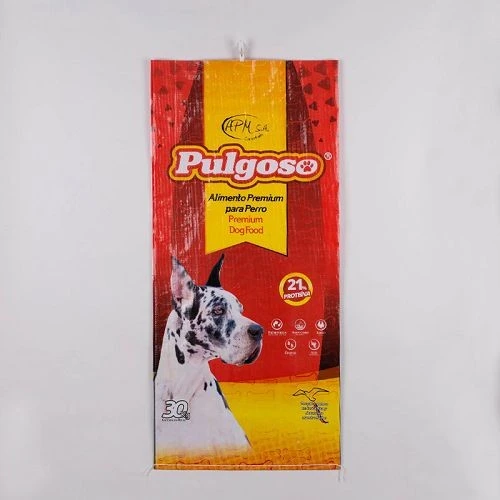

If you're also in the market for other types of animal feed packaging, we've got you covered. Check out our Dog Food Packaging Bag for your canine customers. And if you're dealing with pigs, our Bulk Pig Feed Bags are a great option. For fish farmers, we offer 50 kg Fish Feed Bag.
So, why should you choose our cat food bags? Well, we've spent years perfecting our manufacturing process. We know exactly how to combine these materials to create the best - quality bags. Our bags are designed to keep the cat food fresh for as long as possible. We also offer a wide range of customization options. You can choose the size, shape, and design of your cat food bags. Whether you want a small bag for a single - serving cat food or a large bag for a family - sized pack, we can make it happen.
If you're interested in working with us, whether it's for cat food bags or any of our other animal feed packaging products, don't hesitate to reach out. We're always looking for new partners in the pet and animal feed industry. We're confident that our products will meet your needs and exceed your expectations.
In conclusion, cat food bags are made from a variety of materials, each with its own unique properties. Plastic, aluminum foil, paper, and laminates all play important roles in protecting the cat food and making sure it stays fresh. And if you're in the market for high - quality animal feed packaging, we're here to help.
References
- "Packaging Materials for Food Products" by Packaging Digest
- "The Science of Food Packaging" by American Chemical Society