

PE valve bags, a popular choice in the packaging industry, are known for their versatility and efficiency. As a leading supplier of PE valve bags, I am often asked about the materials used in their production. In this blog post, I will delve into the various materials that make up PE valve bags, their properties, and how they contribute to the overall performance of the bags.
Polyethylene (PE)
The primary material used in PE valve bags is polyethylene, a thermoplastic polymer made from the monomer ethylene. Polyethylene is widely used in the packaging industry due to its excellent chemical resistance, durability, and flexibility. There are different types of polyethylene, each with its own unique properties, which are used in the production of PE valve bags.
Low-Density Polyethylene (LDPE)
LDPE is a type of polyethylene with a low density and high flexibility. It is known for its excellent transparency, toughness, and moisture resistance. LDPE is often used in the production of thin films and bags, including the inner layer of PE valve bags. The inner layer of LDPE provides a barrier against moisture and other contaminants, protecting the contents of the bag from damage.
High-Density Polyethylene (HDPE)
HDPE is a type of polyethylene with a high density and high stiffness. It is known for its excellent strength, puncture resistance, and chemical resistance. HDPE is often used in the production of thicker films and bags, including the outer layer of PE valve bags. The outer layer of HDPE provides additional strength and protection to the bag, making it suitable for heavy-duty applications.
Linear Low-Density Polyethylene (LLDPE)
LLDPE is a type of polyethylene with a linear structure and a low density. It is known for its excellent tensile strength, puncture resistance, and tear resistance. LLDPE is often used in the production of films and bags that require high strength and flexibility, including the middle layer of PE valve bags. The middle layer of LLDPE provides additional strength and flexibility to the bag, making it suitable for a wide range of applications.
Additives
In addition to polyethylene, PE valve bags may also contain various additives to enhance their performance and properties. Some of the common additives used in the production of PE valve bags include:
Antioxidants
Antioxidants are additives that prevent the oxidation of polyethylene, which can cause the bag to become brittle and degrade over time. Antioxidants are often added to the polyethylene resin during the production process to extend the shelf life of the bag.
UV Stabilizers
UV stabilizers are additives that protect the polyethylene from the harmful effects of ultraviolet (UV) radiation. UV radiation can cause the polyethylene to become brittle and degrade over time, especially when the bag is exposed to sunlight. UV stabilizers are often added to the polyethylene resin during the production process to protect the bag from UV radiation.
Slip Agents
Slip agents are additives that reduce the friction between the bag and the product being packaged, making it easier to fill and seal the bag. Slip agents are often added to the polyethylene resin during the production process to improve the handling and processing of the bag.
Anti-Blocking Agents
Anti-blocking agents are additives that prevent the bag from sticking to itself or other surfaces, making it easier to separate and handle the bags. Anti-blocking agents are often added to the polyethylene resin during the production process to improve the handling and processing of the bag.
Other Materials
In addition to polyethylene and additives, PE valve bags may also contain other materials, such as printing inks, adhesives, and coatings. These materials are used to enhance the appearance, functionality, and performance of the bag.
Printing Inks
Printing inks are used to print information, logos, and graphics on the surface of the bag. Printing inks can be water-based, solvent-based, or UV-curable, depending on the type of printing process and the requirements of the customer.
Adhesives
Adhesives are used to seal the valve and the seams of the bag, ensuring that the bag is leak-proof and secure. Adhesives can be hot-melt, solvent-based, or water-based, depending on the type of bag and the requirements of the customer.
Coatings
Coatings are used to improve the surface properties of the bag, such as its water resistance, oil resistance, and heat resistance. Coatings can be applied to the surface of the bag during the production process or after the bag has been printed and sealed.
Applications of PE Valve Bags
PE valve bags are widely used in a variety of industries, including the chemical, food, pharmaceutical, and agricultural industries. Some of the common applications of PE valve bags include:
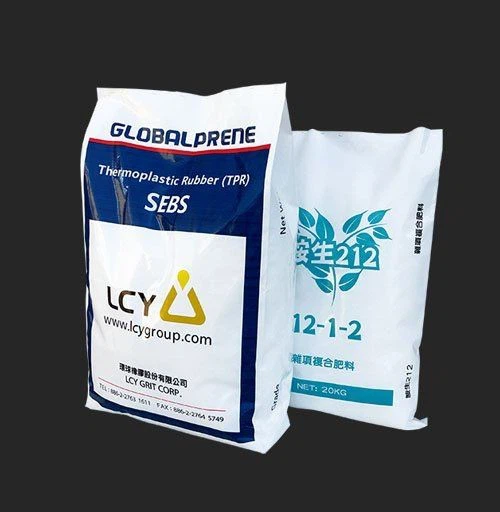
Chemical Packaging
PE valve bags are commonly used for the packaging of chemicals, such as fertilizers, pesticides, and industrial chemicals. The excellent chemical resistance and durability of PE valve bags make them suitable for the storage and transportation of a wide range of chemicals. Sand Packaging Bags and Cement Packaging Bags are two examples of PE valve bags used in the chemical packaging industry.
Food Packaging
PE valve bags are also used for the packaging of food products, such as grains, flour, sugar, and pet food. The excellent moisture resistance and flexibility of PE valve bags make them suitable for the storage and transportation of a wide range of food products.
Pharmaceutical Packaging
PE valve bags are used for the packaging of pharmaceutical products, such as powders, granules, and tablets. The excellent chemical resistance and cleanliness of PE valve bags make them suitable for the storage and transportation of a wide range of pharmaceutical products.
Agricultural Packaging
PE valve bags are used for the packaging of agricultural products, such as seeds, fertilizers, and animal feed. The excellent strength and durability of PE valve bags make them suitable for the storage and transportation of a wide range of agricultural products.
Conclusion
In conclusion, PE valve bags are made from a combination of polyethylene, additives, and other materials, each of which contributes to the overall performance and properties of the bag. The choice of materials depends on the specific requirements of the application, such as the type of product being packaged, the storage and transportation conditions, and the customer's preferences. As a leading supplier of PE valve bags, we offer a wide range of bags made from high-quality materials and additives, ensuring that our customers receive the best possible packaging solution for their needs. If you are interested in purchasing PE valve bags, please contact us to discuss your requirements and to receive a quote.
References
- "Polyethylene." Encyclopedia Britannica. Accessed [Date].
- "Additives in Plastics." PlasticsEurope. Accessed [Date].
- "Packaging Materials." Food and Agriculture Organization of the United Nations. Accessed [Date].