

As a supplier of chemical packaging bags, I often encounter various inquiries from customers regarding the performance and durability of our products. One question that has come up frequently is whether our chemical packaging bags are resistant to ozone. In this blog post, I will delve into this topic, exploring the impact of ozone on packaging materials and explaining how our bags are designed to withstand such environmental factors.
Understanding Ozone and Its Effects on Packaging Materials
Ozone is a highly reactive gas composed of three oxygen atoms (O₃). It is naturally present in the Earth's atmosphere, particularly in the stratosphere where it forms the ozone layer that protects us from harmful ultraviolet radiation. However, at ground - level, ozone can be a pollutant, formed through chemical reactions between nitrogen oxides (NOₓ) and volatile organic compounds (VOCs) in the presence of sunlight.
When it comes to packaging materials, ozone can have detrimental effects. Ozone molecules are highly reactive and can break down the chemical bonds in polymers, which are the main components of most packaging bags. This degradation process can lead to a variety of issues, such as cracking, brittleness, and loss of strength in the packaging material. Over time, the integrity of the bag can be compromised, potentially leading to leaks and product contamination.
The Composition of Our Chemical Packaging Bags
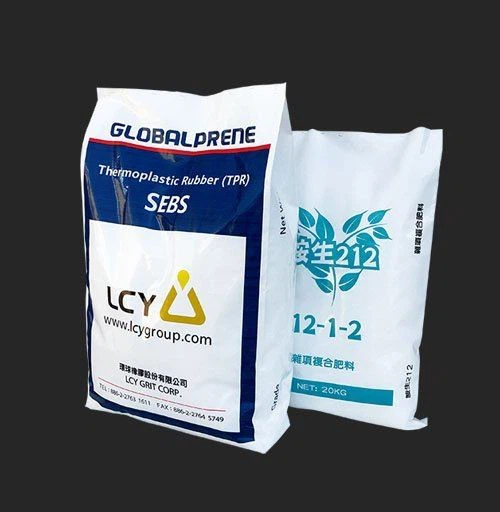
Our chemical packaging bags are made from a variety of high - quality polymers, each chosen for its specific properties and suitability for different chemical products. Some of the common polymers used in our bags include polyethylene (PE), polypropylene (PP), and polyvinyl chloride (PVC).
- Polyethylene (PE): PE is a widely used polymer in packaging due to its excellent chemical resistance, flexibility, and low cost. There are different types of PE, such as low - density polyethylene (LDPE) and high - density polyethylene (HDPE). LDPE is more flexible and has better impact resistance, while HDPE is stronger and more rigid. Our PE Heavy Packing Bags are made from high - quality PE resins that are formulated to provide good resistance to a wide range of chemicals.
- Polypropylene (PP): PP is another popular polymer for packaging. It has high tensile strength, good stiffness, and excellent resistance to moisture and chemicals. PP is also resistant to heat, making it suitable for packaging products that require sterilization or high - temperature storage.
- Polyvinyl Chloride (PVC): PVC is a versatile polymer that can be formulated to have different properties, such as flexibility or rigidity. Our PVC Pipe Packaging Bag is designed to provide protection for PVC pipes during transportation and storage. PVC has good chemical resistance, but its resistance to ozone can vary depending on the additives used in the formulation.
Ozone Resistance of Our Chemical Packaging Bags
To ensure that our chemical packaging bags have good ozone resistance, we take several measures during the manufacturing process.
- Additives: We use special additives in our polymer formulations to enhance ozone resistance. These additives can act as antioxidants or ozone scavengers, reacting with ozone molecules before they can attack the polymer chains. For example, some stabilizers can prevent the oxidation of the polymer, which is often the first step in the ozone - induced degradation process.
- Material Selection: We carefully select the polymers and their grades based on the intended use of the packaging bags and the environmental conditions they will be exposed to. For applications where ozone exposure is a concern, we may choose polymers that are inherently more resistant to ozone or use blends of polymers to achieve the desired properties.
- Quality Control: We have a strict quality control system in place to ensure that our bags meet the highest standards of ozone resistance. Our products are tested regularly in our in - house laboratories using industry - standard methods to measure their performance under ozone exposure.
Case Studies: Ozone Resistance in Real - World Applications
To illustrate the effectiveness of our ozone - resistant chemical packaging bags, let's look at a few case studies.
- Chemical Storage in Industrial Facilities: In an industrial chemical storage facility, our chemical packaging bags are used to store various chemicals. The facility is located in an area with high levels of ground - level ozone due to nearby industrial activities. Over a period of several months, the bags were monitored for signs of ozone damage. The results showed that our bags maintained their integrity, with no visible signs of cracking or brittleness. This demonstrates that our bags can withstand long - term exposure to ozone in industrial environments.
- Transportation of Chemicals in Ozone - Rich Regions: When transporting chemicals through regions with high ozone levels, such as urban areas with heavy traffic, the packaging bags need to be able to resist ozone degradation. Our bags have been used in such transportation scenarios, and feedback from our customers indicates that the products arrive at their destination without any issues related to ozone damage.
Other Considerations for Chemical Packaging
While ozone resistance is an important factor, there are other considerations when choosing chemical packaging bags.
- Chemical Compatibility: The packaging material must be compatible with the chemical product it is intended to hold. Different chemicals can react with different polymers, so it is crucial to select the appropriate packaging material to prevent chemical reactions and product contamination.
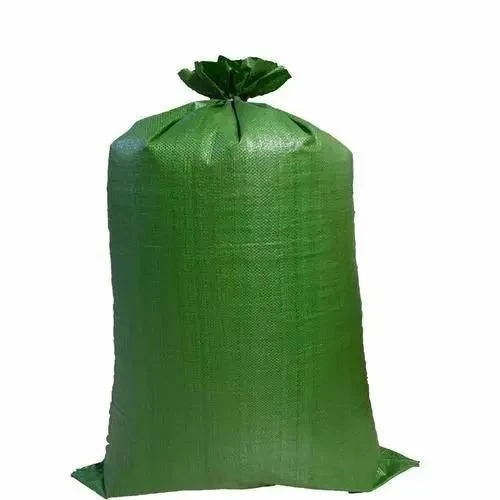
- Physical Properties: The bags should have the right physical properties, such as strength, flexibility, and puncture resistance, to withstand the handling and storage conditions. For example, Sand Packaging Bags need to be strong enough to hold the weight of the sand without tearing.
- Regulatory Compliance: Our chemical packaging bags comply with all relevant regulatory requirements, such as those related to food contact, hazardous materials transportation, and environmental protection.
Conclusion and Call to Action
In conclusion, our chemical packaging bags are designed to be resistant to ozone, thanks to our careful selection of materials, use of additives, and strict quality control measures. We understand the importance of providing packaging solutions that can withstand the harsh environmental conditions and protect your chemical products.
If you are in the market for high - quality chemical packaging bags with excellent ozone resistance, we invite you to contact us for more information and to discuss your specific requirements. Our team of experts is ready to assist you in choosing the right packaging solution for your needs.
References
- "Polymer Science and Technology" by J. A. Brydson
- "Handbook of Plastic Films" edited by O. Olabisi
- Industry - standard test methods for ozone resistance of polymers