

Hey there! As a supplier of food zipper bags, I often get asked, "Are there any food zipper bags made of biodegradable materials?" Well, the short answer is yes, and in this blog, I'm gonna dive deep into this topic.
The Need for Biodegradable Food Zipper Bags
First off, let's talk about why there's such a big demand for biodegradable food zipper bags. In today's world, people are becoming more and more environmentally conscious. We're all aware of the harm that non - biodegradable plastics are causing to our planet. These plastics take hundreds of years to break down, and they end up polluting our landfills, oceans, and wildlife habitats.
As a food zipper bag supplier, I've noticed that my customers, whether they're small local food businesses or large supermarkets, are looking for more sustainable packaging options. They want to reduce their carbon footprint and show their customers that they care about the environment. And that's where biodegradable food zipper bags come in.
Types of Biodegradable Materials for Food Zipper Bags
There are several types of biodegradable materials that can be used to make food zipper bags. One of the most popular ones is cornstarch. Cornstarch - based plastics are derived from renewable resources, which means they're a great alternative to traditional petroleum - based plastics.
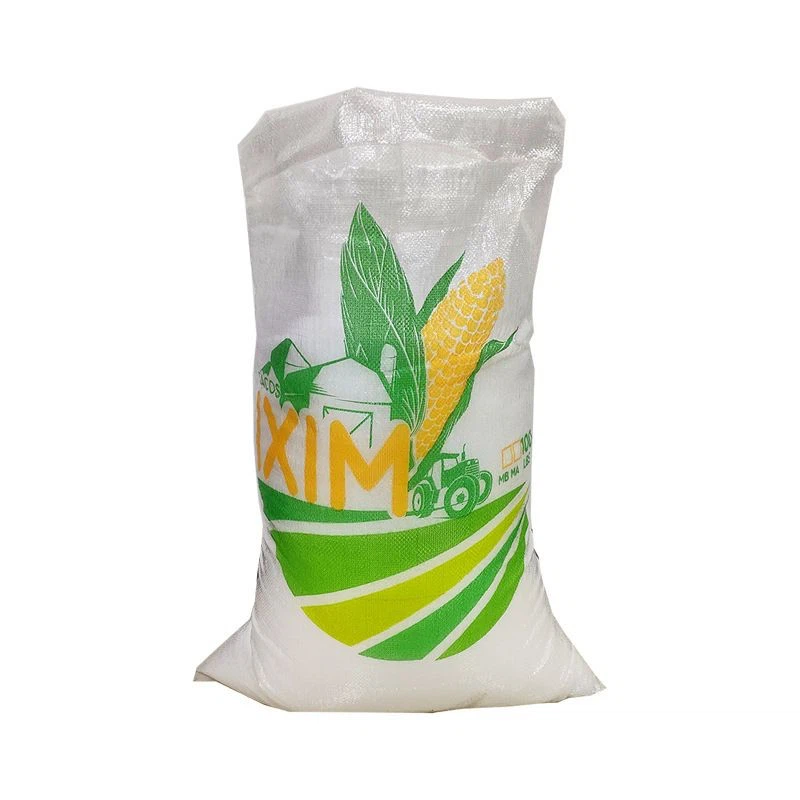
These Corn Packaging Bag are not only biodegradable but also have some pretty cool properties. They're lightweight, flexible, and can be easily molded into different shapes and sizes. This makes them perfect for packaging all sorts of food items, from snacks to fresh produce.
Another option is Corn Flour Bag. Similar to cornstarch - based bags, corn flour bags are also made from corn, a renewable and abundant resource. They have good barrier properties, which means they can keep food fresh for longer by preventing oxygen, moisture, and light from getting in.
There are also biodegradable plastics made from other plant - based materials like sugarcane, potato starch, and bamboo. These materials are not only sustainable but also have different characteristics that can be tailored to specific food packaging needs. For example, sugarcane - based plastics are strong and durable, making them suitable for packaging heavier food items.
Advantages of Biodegradable Food Zipper Bags
Now, let's talk about the advantages of using biodegradable food zipper bags.
Environmental Benefits
The most obvious advantage is the positive impact on the environment. Biodegradable bags break down naturally over time, usually within a few months to a few years, depending on the material and the conditions. This means they don't contribute to long - term pollution like traditional plastics do. They also require less energy to produce compared to petroleum - based plastics, which helps in reducing greenhouse gas emissions.
Food Safety
Biodegradable materials used in food zipper bags are generally safe for food contact. They don't contain harmful chemicals like BPA (bisphenol A) or phthalates, which can leach into food and pose health risks. This makes them a great choice for packaging food items that are consumed directly.
Brand Image
For businesses, using biodegradable food zipper bags can enhance their brand image. In today's market, consumers are more likely to support companies that are environmentally responsible. By using sustainable packaging, businesses can attract more customers and build a positive reputation in the community.
Challenges and Limitations
Of course, like any new technology or product, biodegradable food zipper bags also face some challenges and limitations.
Cost
One of the main challenges is the cost. Biodegradable materials are often more expensive than traditional plastics. This is because the production process is more complex, and the raw materials are sometimes in limited supply. However, as the demand for biodegradable packaging increases and the technology improves, the cost is expected to come down over time.

Performance
Another limitation is the performance. Biodegradable bags may not have the same level of durability and barrier properties as traditional plastics. For example, they may be more prone to tearing or may not provide as good of a seal. But manufacturers are constantly working on improving these aspects to make biodegradable bags more competitive with traditional plastics.
Applications of Biodegradable Food Zipper Bags
Biodegradable food zipper bags have a wide range of applications. They can be used for packaging snacks, such as chips, nuts, and cookies. The Pet Food Packaging Bags are also a great option for packaging pet food. They keep the food fresh and are safe for pets to consume from.
In the fresh produce section, biodegradable bags can be used to package fruits and vegetables. They help in reducing waste and can be composted along with the food scraps. Bakeries can also benefit from using biodegradable zipper bags to package bread, pastries, and other baked goods.
Conclusion
So, to answer the question, "Are there any food zipper bags made of biodegradable materials?" The answer is a resounding yes. There are many options available, each with its own set of advantages and limitations. As a food zipper bag supplier, I'm excited to be part of this sustainable packaging movement.
If you're a food business looking for high - quality biodegradable food zipper bags, I'd love to hear from you. Whether you're interested in Corn Packaging Bag, Corn Flour Bag, or Pet Food Packaging Bags, we can work together to find the perfect packaging solution for your needs. Let's make a positive impact on the environment while keeping your food fresh and safe.
References
- "Biodegradable Plastics: An Overview" - Journal of Environmental Science and Technology
- "Sustainable Packaging for the Food Industry" - Food Packaging Magazine
- "Advances in Biodegradable Materials for Food Packaging" - International Journal of Food Science and Technology