

Hey there! As a supplier of PE valve bags, I often get asked about the valve design of these bags. So, in this blog post, I'm gonna break down what the valve design of PE valve bags is for and why it matters.
First off, let's understand what a PE valve bag is. PE stands for polyethylene, a type of plastic that's commonly used in packaging because it's strong, flexible, and resistant to moisture. A valve bag is a type of bag with a small opening, or valve, usually located at the top or side. This valve serves several important functions.
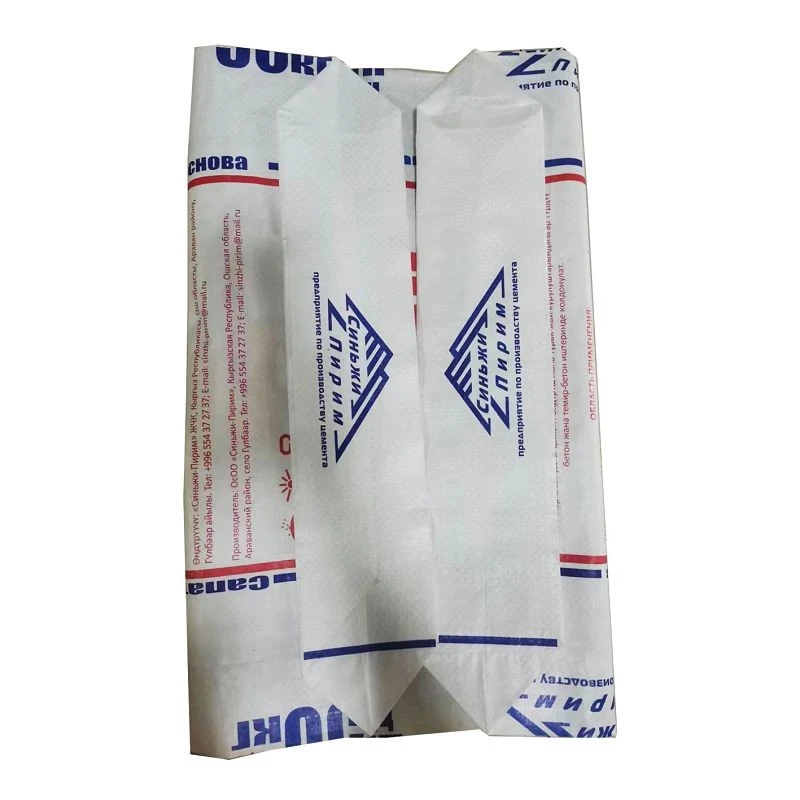
One of the primary purposes of the valve design is for efficient filling. When you're packaging bulk materials like cement, sand, or PVC pipes, you need a way to get the product into the bag quickly and cleanly. The valve allows for a seamless connection to the filling equipment. For example, when filling Cement Packaging Bags, the valve can be attached to a cement filling machine. The machine can then pump the cement directly into the bag through the valve. This not only speeds up the filling process but also reduces the risk of spillage. Spillage can be a big problem in industrial settings, as it can lead to waste, mess, and potential safety hazards.
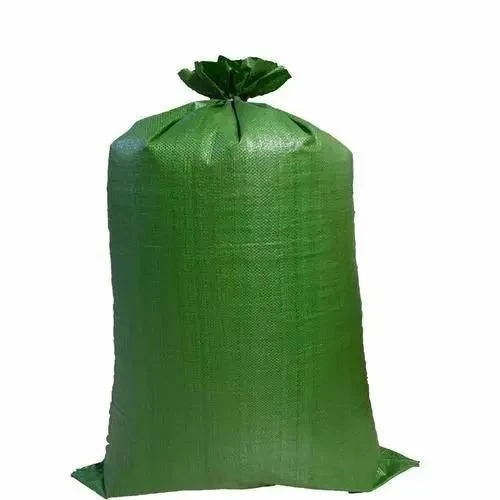
Another benefit of the valve design is for air release. When you're filling a bag with a powder or granular material, there's a lot of air that gets trapped inside. If this air isn't released, it can cause the bag to bulge, making it difficult to stack and transport. The valve in a PE valve bag allows the air to escape during the filling process. As the material is pumped into the bag, the air is forced out through the valve. This results in a more compact and stable bag. For instance, Sand Packaging Bags filled with sand need to be properly compacted to prevent shifting during transportation. The valve design helps achieve this by allowing the air to escape.
The valve also plays a crucial role in sealing the bag. Once the bag is filled, the valve acts as a self - closing mechanism. The design of the valve is such that when the filling stops, the valve closes on its own, preventing the contents from leaking out. This is especially important for products that are sensitive to moisture or air. For example, cement can harden if it comes into contact with moisture in the air. The self - closing valve of a Cement Packaging Bags helps keep the cement dry and fresh until it's ready to be used.
In addition to these functional benefits, the valve design can also improve the overall appearance of the bag. A well - designed valve gives the bag a more professional and finished look. This can be important for marketing purposes, as it can make your product more appealing to customers. When a customer sees a neatly filled and sealed bag with a proper valve, they're more likely to trust the quality of the product inside.
Now, let's talk about the different types of valve designs. There are two main types: the top - valve and the side - valve.
The top - valve design is the most common. It's easy to fill and is suitable for a wide range of products. The valve is located at the top of the bag, which makes it convenient for filling from above. This type of valve is often used for products like cement and sand. The top - valve design also allows for easy stacking, as the top of the bag is flat.
On the other hand, the side - valve design has its own advantages. It's particularly useful for products that are difficult to fill from the top, such as PVC Pipe Packaging Bag. The side - valve can be attached to a filling machine that fills the bag horizontally. This can be more efficient for certain types of products, as it allows for a more controlled filling process.
When it comes to choosing the right valve design for your PE valve bags, there are a few factors to consider. First, think about the type of product you're packaging. If it's a powder or granular material, a top - valve design might be the best choice. If you're packaging something more irregularly shaped, like PVC pipes, a side - valve design could be more suitable.
You also need to consider the filling equipment you have. Different valve designs require different types of filling machines. Make sure the valve design you choose is compatible with your existing equipment or that you're willing to invest in new equipment if necessary.
Another factor is the storage and transportation requirements. If you need to stack the bags, a flat - topped bag with a top - valve design might be better. If the bags need to be stored in a confined space, a side - valve design could allow for more flexible storage options.
In conclusion, the valve design of PE valve bags is not just a simple feature; it's a crucial part of the packaging process. It offers benefits in terms of filling efficiency, air release, sealing, and appearance. Whether you're in the cement, sand, or PVC pipe industry, choosing the right valve design for your PE valve bags can make a big difference in your operations.
If you're interested in learning more about our PE valve bags or are looking to purchase them for your business, I encourage you to reach out. We'd be more than happy to discuss your specific needs and find the perfect packaging solution for you.
References
- Packaging Industry Handbook: A Guide to Packaging Materials and Designs
- Industrial Packaging Best Practices: A Compilation of Case Studies and Research